
Current Polls and Senate Race Dynamics
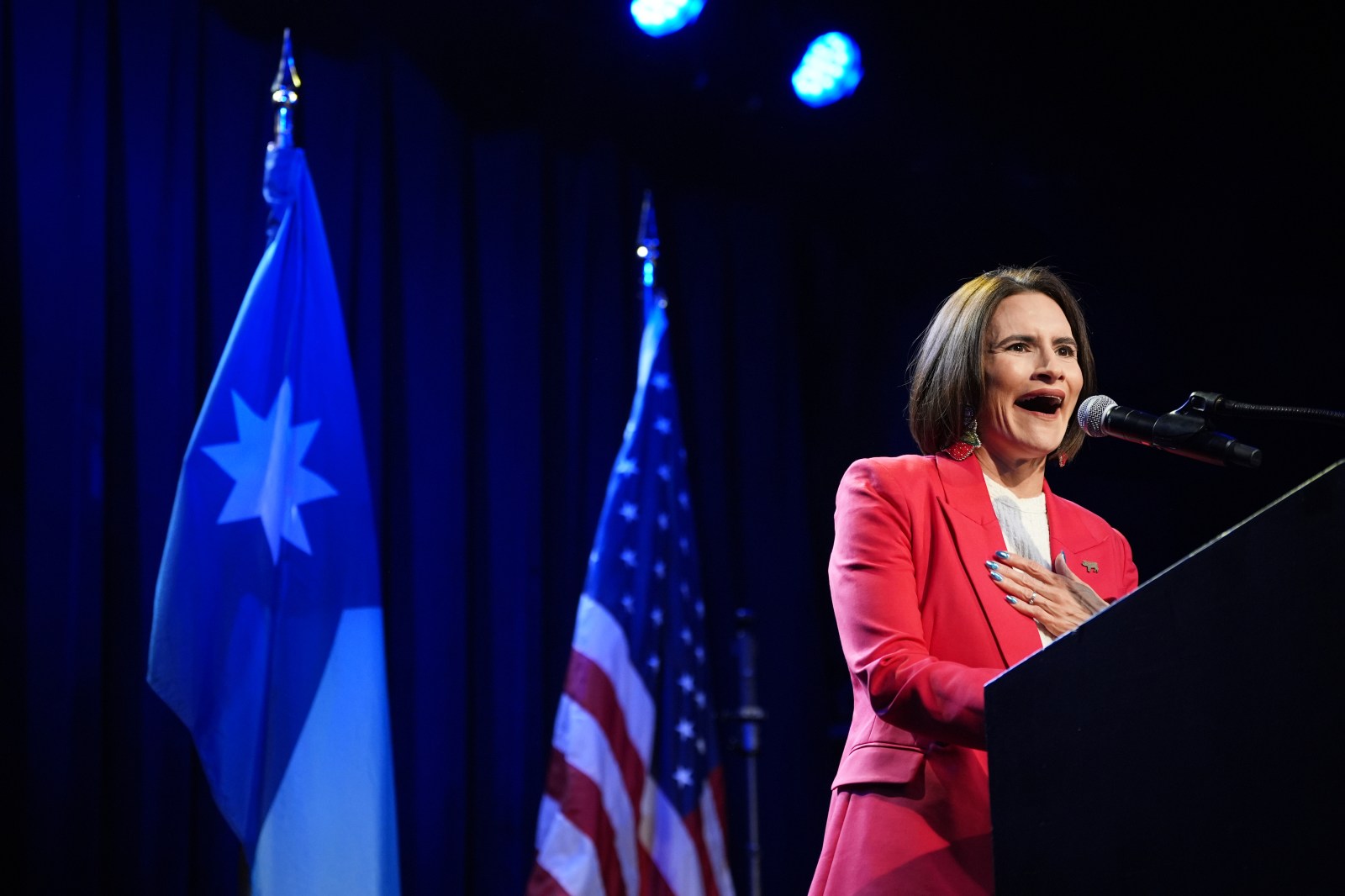
Democratic Lieutenant Governor Peggy Flanagan leads Republican Michele Tafoya in the Minnesota U.S. Senate race, yet the advantage is tight, within the poll’s margin of error. This points to a competitive contest ahead of Election Day on November 3. The backdrop includes Democrats aiming to reclaim control of the Senate, where Republicans currently hold a 53-47 majority. Securing this involves defending initial seats and flipping four additional ones.
Democratic Strategy and Historical Context
Midterm elections often gauge the political climate for the ruling party. Historically, the president’s party faces seat losses. The Cook Political Report rates the Minnesota Senate race as likely Democrat. Vice President Kamala Harris’s previous success in Minnesota, alongside historical wins by Democrats, positions Flanagan strongly, although recent immigrant enforcement actions and fraud investigations cast shadows over the state’s political landscape.
Campaign Profiles and Support
Flanagan rises as a progressive Democrat, defeating Angie Craig and gaining endorsements from Bernie Sanders and Ilhan Omar. This showcases internal Democratic divides. Tafoya emerges with a strong outsider profile, leveraging her name from a career as a longtime NFL sideline reporter, garnering Republican interest in regaining influence in Minnesota.
Recent Polls and Voter Demographics
The Quantus Insights poll sees Flanagan at 48.2 percent, ahead of Tafoya’s 44.4 percent, although the margin is within error limits. Women favor Flanagan more, while Tafoya finds support among men. Younger voters back Flanagan, whereas older demographics lean towards Tafoya. One’s favorability ratings are also competitive but slightly tilt in Flanagan’s favor.
Other polling data reveal similarly narrow leads for Flanagan, showing strong demographic divides, particularly with varied support across age, race, and gender lines. Polls such as TIPP/League of American Workers and KSTP/SurveyUSA indicate significant undecided respondents, heralding still open dynamics.
Broader National Trends and Predictions
Democrats face critical tasks of flipping seats from Republicans while holding incumbent ones. Concerns about economic conditions, Trump’s waning approval, and international tensions present potential Democratic advantages. Statistically, Republicans remain confident in maintaining Senate control but face Democratic optimism from key voter segments and states showing potential flips.
Prediction markets and analytics, like Nate Silver’s Silver Bulletin and Kalshi, demonstrate varied probabilities, reflecting both cautious optimism for Democrats alongside a Republican belief in retaining seats.
Looking Forward
Minnesota’s early voting starts on October 16, marking a significant phase for both parties. These dynamics, tied with local and national issues, make this contest a bellwether. Voter decisions could heavily tilt broader electoral outcomes and define political alignments into the foreseeable future.