
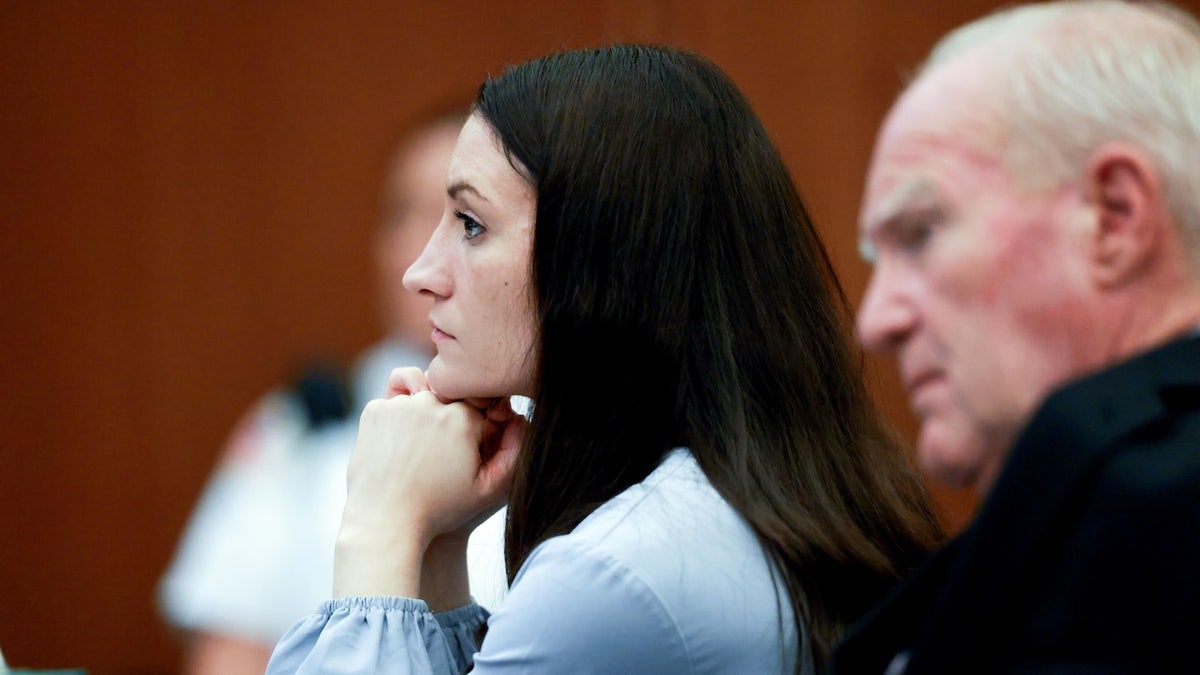
The trial of Lindsay Clancy, accused of first-degree murder for killing her children, reached a critical point with the jury preparing to deliberate.The indictment against Clancy involves the deaths of Cora, Dawson, and Callan, who were found strangled at their home in January 2023.
Closing Arguments and Defense Strategy
Clancy’s defense team, led by attorney Kevin Reddington, claimed that she suffered from postpartum psychosis. This argument aimed to demonstrate a significant mental break from reality during the act. Prosecutors, however, dismissed the claim, asserting that her actions lacked evidence of such a state.
Comparative Analysis with Susan Smith Case
In reviewing the trial, parallels are drawn with the case of Susan Smith, another woman who received a life sentence for drowning her children in 1994. Prosecutor Tommy Pope, who led the case against Smith, argued that Clancy’s defense was unable to confirm a break from reality, a critical component to her legal argument.
Insight from Legal and Psychiatric Professionals
Pope emphasized the absence of clear motive in Clancy’s actions compared to the Smith case, where romantic rejection was a significant factor. He pointed to mundane activities such as ordering dinner or making phone calls as potentially undermining the defense’s contention of psychosis.
Financial Pressures Weigh on Clancy
Forensic psychiatrist Gregory Saathoff highlighted financial strain as a possible stressor affecting Clancy’s mental state. He suggested that Clancy felt her brain was impaired and she was unable to contribute financially, driving a sense of burden which may have influenced her actions.
Psychiatric Testimonies on Mental Health Impacts
Saathoff supported the idea that severe insomnia could lead to psychosis. During cross-examination, he acknowledged that sleep deprivation is considered a form of torture and may result in mental disturbances.
The trial’s conclusion will depend on the jury’s interpretation of these arguments, shaped by both psychiatric and legal insights.