
Introduction to Medicare for All
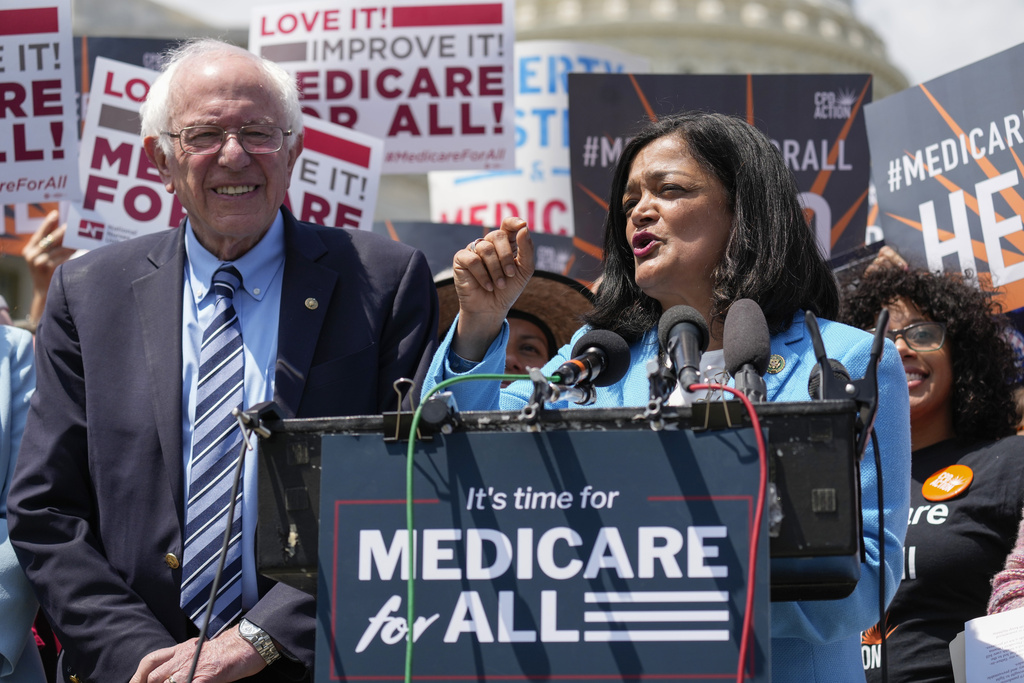
Rep. Pramila Jayapal and Sen. Bernie Sanders have brought attention to the proposal of Medicare for All. Despite its catchy name, this initiative diverges significantly from the current Medicare program. Instead of enhancing existing Medicare, the intention is to replace the mix of private and public health insurance in the U.S. with a new government-run system.
Understanding Medicare for All
Sanders advocates for eliminating private health insurance in favor of a single government program. Under this system, taxpayers would face higher taxes, but individuals would not pay premiums. The government would cover all medical expenses. This mirrors systems like Britain’s National Health Service, where government officials decide service availability and access.
Misleading Comparisons
Sanders’ claim that Medicare for All would expand Medicare is misleading. Traditional Medicare includes several parts covering hospitals, doctors, prescription drugs, and Medicare Advantage plans. Over half of seniors opt for Medicare Advantage, which combines elements of private insurance. Medicare for All would eliminate such private sector options.
Satisfaction Rates
Satisfaction among current Medicare users is high, with 90 percent expressing contentment. In stark contrast, Britain’s NHS satisfaction stands at only 26 percent, with significant dissatisfaction noted.
Financial and Access Challenges
While Medicare shares some challenges with the NHS, like low provider rates, it benefits from private insurance cross-subsidization. Privatized insurance compensates providers better, supporting Medicare care availability. Government-run systems often struggle with funding allocation issues, influencing service availability and treatment access.
Political Implications
Health care becomes political under government-run systems, leading to disparities. Politicians and influential figures often receive preferred access. Concerns persist about average citizens facing delays and service restrictions.
Conclusion
Medicare for All represents a fundamental shift from current U.S. systems. Evaluating satisfaction rates, financial implications, and political biases is crucial in understanding its potential impact.