
TEHRAN, Iran — Iran has declared its intention to retaliate following the expansion of U.S. sanctions. Washington should “expect an attack,” according to Iran’s Economy Minister Ali Madanizadeh. During an interview aired by state media on Monday, he criticized the sanctions, calling them an “economic terrorist attack.”
Since 1979, the U.S. has imposed various sanctions on Iran after Iranian students took U.S. diplomats hostage at the American embassy in Tehran. Madanizadeh noted that countries like China and Russia have not yet shown any signs of aligning with these sanctions.
At a press conference Tuesday, Chinese Foreign Ministry Spokesperson Lin Jian reiterated Beijing’s opposition to “illegal unilateral sanctions,” as reported by Xinhua, China’s state-run news agency.
Madanizadeh emphasized that Iran will not solely defend itself. “They should expect an attack from our side as well,” he warned, although he didn’t elaborate on the nature of the attack. He mentioned that Iran has been preparing for such economic measures and has a two-year plan, though specifics were not provided.
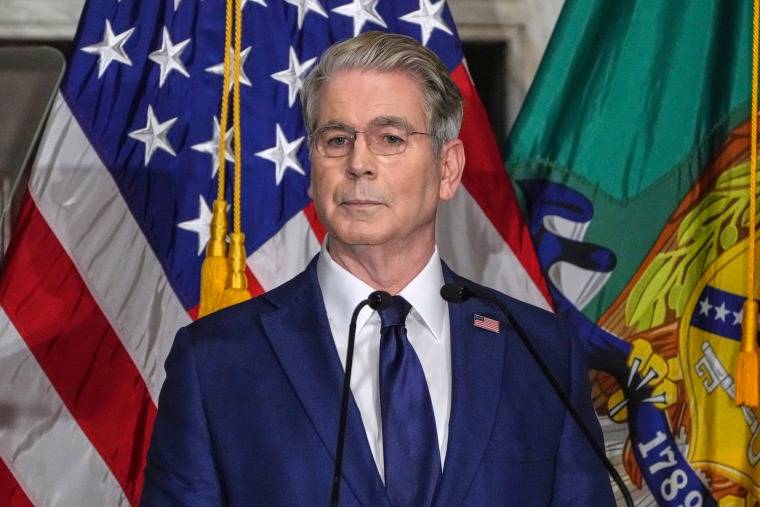
Treasury Secretary Scott Bessent detailed the U.S.’s latest measures on Monday, describing them as an “economic D-Day.”
These measures aim to isolate any nation financially partnering with Iran. Although there are no penalties yet, Bessent highlighted the U.S.’s intent in discouraging interaction with Tehran. President Donald Trump has been reaching out to global leaders to end ties with Iran.
The U.S. Department of the Treasury launched “Operation Economic Outcast,” expanding Iran-related conduct categories that could face future sanctions. These include digital assets, technology, gold, aviation, and shipping. The Office of Foreign Assets Control has already sanctioned nearly 60 entities and individuals involved with Iran.
The UAE, previously maintaining close economic ties with Iran, announced a halt to all financial interactions with Tehran last week.
Many Iranians in Tehran seemed indifferent to the U.S. actions. Farzin, a 27-year-old mechanic, indicated that the psychological impact is more significant than the actual consequences. Parts continue to enter Iran legally and illegally, ensuring business continuity.
Andreas Krieg from King’s College London noted that Iran sees these measures as “economic warfare” rather than pressure for compromise. This perspective fuels Tehran’s defiant response.
President Masoud Pezeshkian suggested the U.S. needs to change its approach, as force and coercion only exacerbate the situation.
The Strait of Hormuz, a vital trade route for global oil, is under increased pressure. Iran has blockaded it while the U.S. responds to Iran’s attacks along the strait.
Meanwhile, Iranian media have broadcast threats against Barron Trump, intensifying tension. U.S. Secret Service spokesperson Nate Herring confirmed awareness of the threats and emphasized security protocols for protectees.