
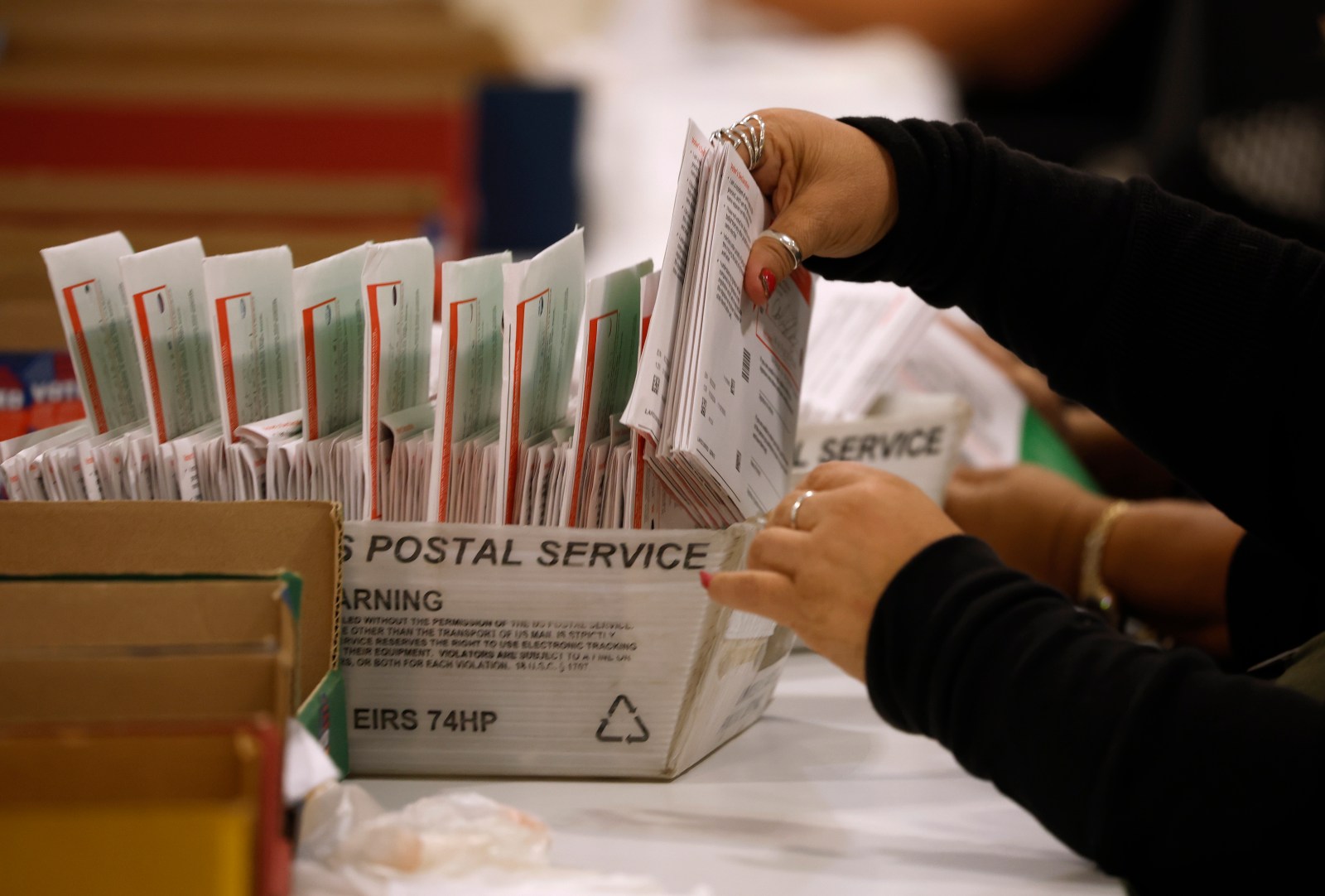
President Donald Trump achieved a minor victory as the Supreme Court lifted an injunction against parts of his March executive order aimed at mail-in voting oversight. With midterms approaching, the administration faces time constraints.
The Supreme Court determined that Democratic states challenged Trump’s order prematurely, lifting an injunction. However, a key injunction blocking Trump’s mail voting provisions remains, highlighting ongoing legal hurdles.
The Court’s statement noted, “The disposition of this application does not mean that any measure taken by the Government to implement the Order will necessarily be lawful.” This means the USPS is still barred from implementing new mail-ballot rules for the November election.
The next hurdle is North Carolina’s forthcoming ballot distribution, which could diminish the administration’s legal successes. As states prepare to send out ballots, any changes might arrive too late to impact the process significantly.
The Executive Order’s Plan
Trump’s executive order outlines election administration changes, including:
- The Department of Homeland Security and Social Security to provide a list of adult citizens for each state by Election Day.
- Election officials to submit voter data to USPS through a federal system before sending ballots.
- Increased investigations into illegal voting and standardization of mail-ballot envelopes with tracking barcodes.
Though critical for Republicans, a standing injunction prohibits USPS from refusing ballots that fail these new standards. Once accepted into the mailstream, ballots cannot be intercepted or delayed.
Countdown to the Election
As election preparations continue, states will soon issue ballots to voters. Should the injunction stay, a significant portion of the election will occur under current regulations. Once ballots are mailed, changes won’t affect ballots already processed.
Adopting the new system demands compliance with envelope and barcode standards. Every day of legal battles means elections progress without these changes.
Potential Future Impact
If the injunction lifts soon, USPS could enforce regulations on unsent federal ballot mailings. Mailings not meeting new criteria might be returned for correction, creating potential turmoil given that mail ballots made up around a third of votes in the last presidential election.
The executive order’s regulations could extend beyond midterms to all future general, special, and runoff federal elections. Exemptions only apply to primaries and ballots under military and overseas vote laws. With time, states will need to comply with standardization requirements.
Ongoing Debate and Public Perception
Even without reshaping the midterms, the battle over these regulations will have lasting effects. Public faith in election integrity is dwindling, with confidence in fair midterms dropping from past years.
The administration claims these rules combat fraud and bolster election trust. Trump’s persistent fraud claims, especially post-2020 defeat, fuel these changes, and unsuccessful midterms for GOP candidates might allow Trump to blame mail voting.
While evidence for fraud significant enough to change past election outcomes is absent, the rhetoric around mail voting will likely persist if midterm results disappoint the GOP.