
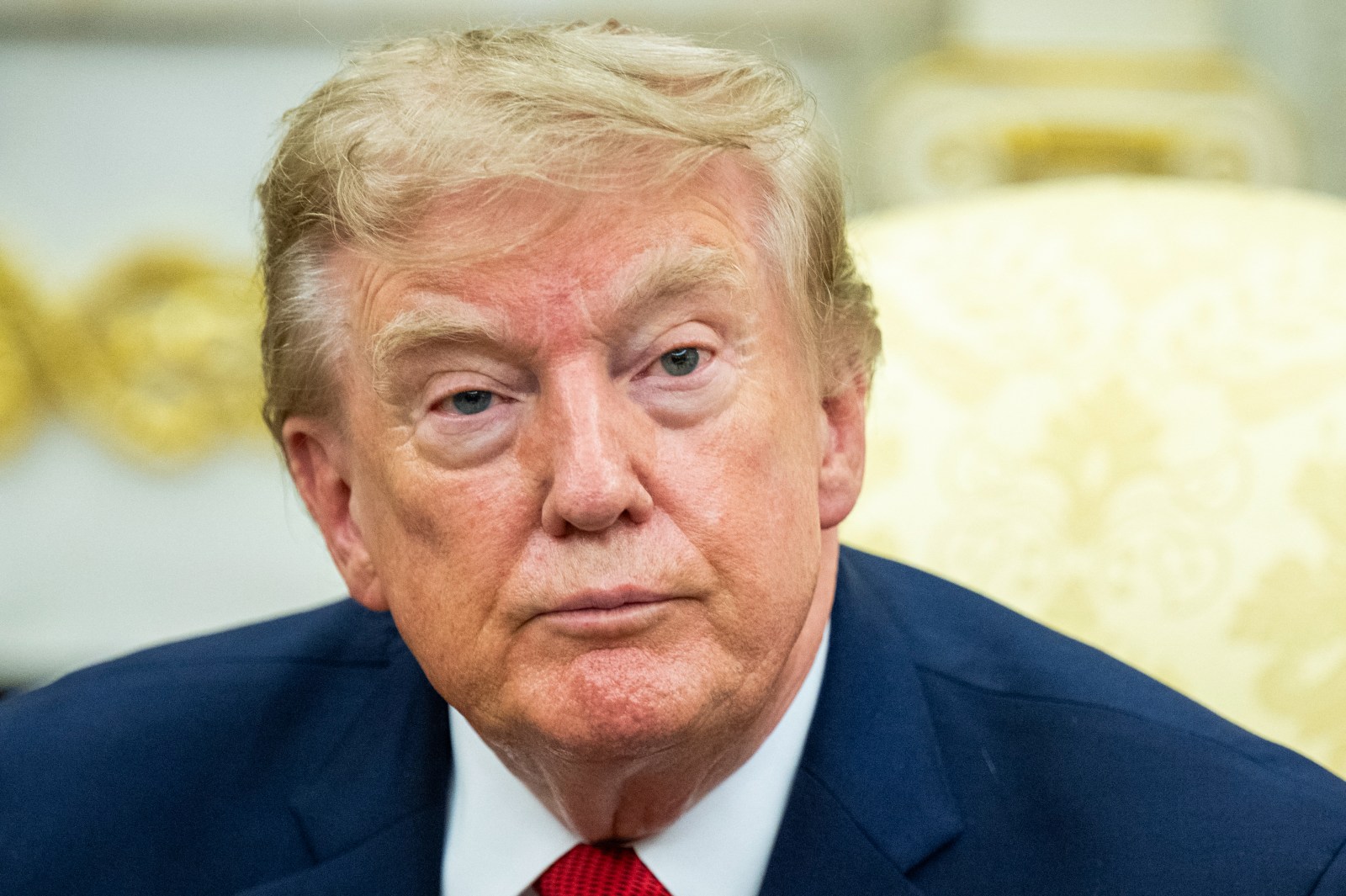
Trump’s Declining Approval Ratings
President Donald Trump addressed declining approval ratings, calling out ‘fake polls.’ These ratings carry significant weight ahead of the midterm elections. Historically, low presidential approval results in the ruling party losing seats in Congress. Democrats aim to portray the midterms as a judgment on Trump’s policies, anticipating a blue wave to win control of the House and Senate.
Key issues affecting Trump’s approval include the economy and foreign policy. While Trump emphasized affordability during his 2024 campaign, inflation remains high. His management of the economy has drawn criticism. Additionally, the Iran war has increased gas prices, further impacting public opinion.
Polls Reflect Voter Sentiment
A recent Reuters/Ipsos poll showed Trump’s disapproval at a record 65%, with just 33% approving. Conducted from August 21 to 24, 2026, it surveyed 1,215 adults with a ±3% margin of error. An Echelon Insights poll indicated 40% approval and 59% disapproval, conducted with 1,002 likely voters from August 13 to 17, 2026.
YouGov and The Economist recorded 35% approval, with 61% disapproval. Their survey involved 1,611 adults from August 14 to 17, 2026, with a margin of error of ±3.4%. A Morning Consult poll, surveying 2,201 registered voters, showed 54% disapproval and 43% approval. The New York Times reported these findings.
State-by-State Approval
Trump’s approval has changed across states, with declines in ones he previously won easily. A map from Civiqs illustrates his approval in each state, highlighting areas of concern for his administration.
Comparison to Past Terms
RealClearPolitics showed Trump’s approval at 39.5% and disapproval at 57.2%. These are lower than during his first term, when approval averaged 43.5% and disapproval 52.6% in August 2018. Former President Joe Biden had a 41.3% approval rating and 55.5% disapproval in RCP’s aggregate in August 2022.
Nate Silver noted Trump’s net approval at -19.5%, up slightly from a low of -20.6%. During his first term, it was -11.6%, mirroring Joe Biden’s rating at a similar tenure point.
Implications for Midterms
Trump’s approval ratings could signal challenges for Republicans in the midterms. If he remains unpopular, Democrats may expand their electoral reach. Analysts view Democrats as favorites to reclaim the House, needing only a handful of seats given the current 218-212 Republican majority.
The Senate race is tighter, with Republicans holding a 53-47 majority. Democrats aim to flip seats in conservative states like Alaska and Texas to gain a Senate majority, needing to overcome the advantage Vice President JD Vance gives Republicans as a tiebreaker. States like Maine and North Carolina offer limited opportunities.
In past midterms, Democrats won the popular vote by nearly nine points in 2018 under Trump, flipping 41 seats. In 2010, under Obama, Republicans flipped 62 seats with a nearly seven-point popular vote win.
Market Predictions and Future Outlook
Prediction markets show strong Democratic prospects for the House, with Kalshi and Polymarket giving them 86% and 89% chances, respectively. For the Senate, Kalshi gives Republicans a 53% chance, while Polymarket is divided at 50% for both parties.
These markets fluctuate with political trends and events, reflecting current trader sentiments, not guaranteed future outcomes.
Trump’s approval will be monitored closely ahead of the November 3, 2026 midterms. Economic issues and the Iran war’s trajectory will influence whether his approval rebounds or remains low.
For more information, contact Newsweek editors Jason Lemon and Gray R. Thomas.