
The Trump administration has initiated what it calls an unprecedented economic offensive against Iran. This approach includes a broad set of sanctions, enforcement actions, and diplomatic pressure. The goal is to cut off Iran’s remaining financial support systems. Treasury officials refer to this initiative as ‘Operation Economic Outcast’. It targets nations, businesses, and individuals still engaging economically with Iran, expanding sanctions to crucial sectors of its economy.
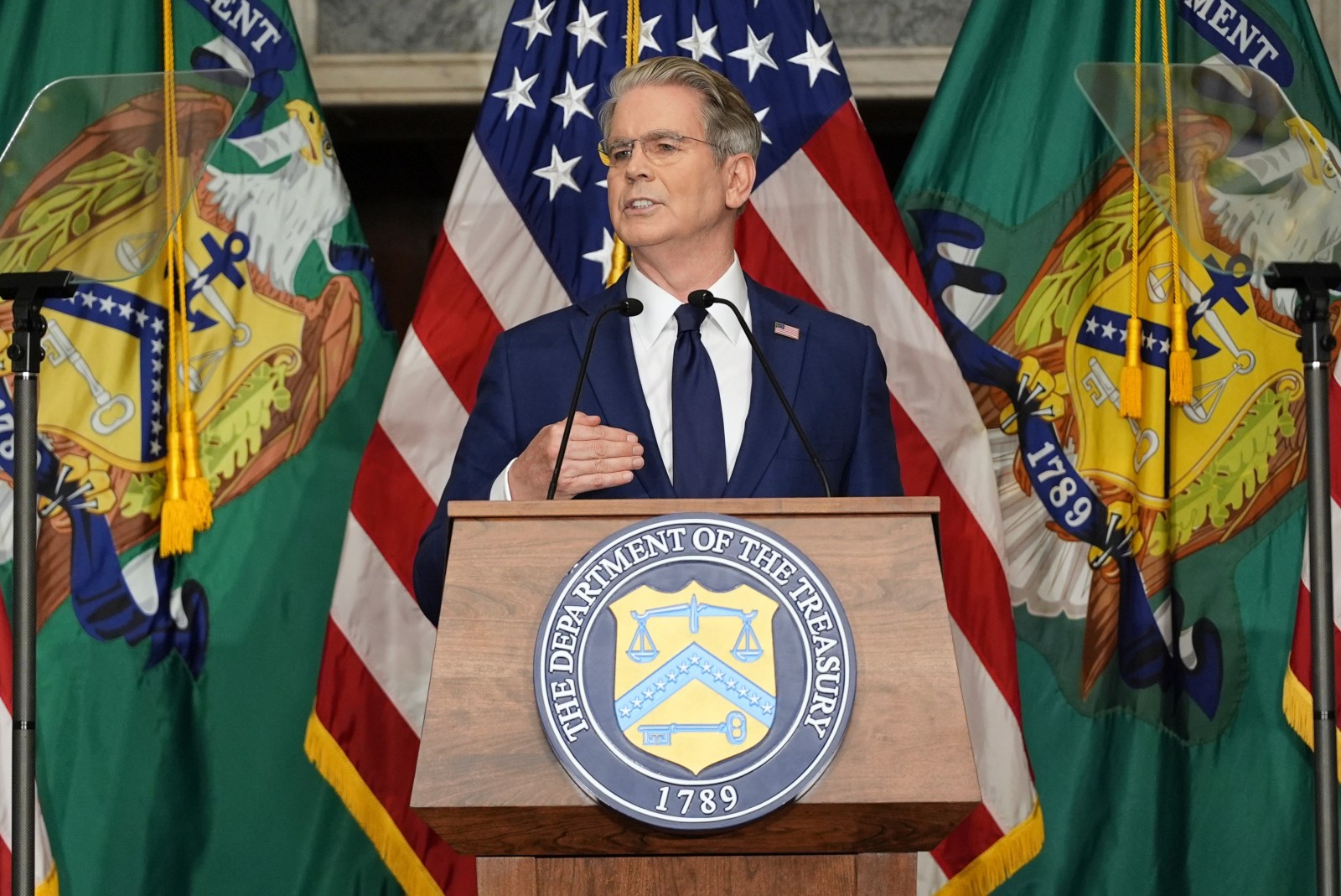
Treasury Secretary Scott Bessent stated at a press conference that any economic engagement with Iran would face the full force of American power. This marks a significant escalation in President Trump’s pressure campaign against Iran. The aim is to further isolate the country economically, which is already struggling with inflation, a weak currency, and limited trade.
“Let there be no ambiguity as to the position of the United States: economic engagement of any kind with this murderous regime will expose those responsible to the full reach of American power,” Treasury Secretary Scott Bessent said.
Many analysts, however, suggest this represents a shift in enforcement tactics rather than a new sanctions regime. Pierre Pahlavi, a professor at the Canadian Forces College, mentioned that while the label is new, the legal tools are not. The campaign focuses on third-country entities assisting Iran, particularly in its oil trade and financial transactions. This could significantly increase pressure on both Iran and worldwide networks supporting its economy.
Iran’s Response and Recent Developments
Iran quickly condemned the move. Foreign Ministry spokesperson Esmail Baghaei warned of a strong response if U.S. sanctions expand further. Iran’s strategic position in the Strait of Hormuz remains a point of leverage, as threats and attacks in this area have disrupted global energy transit significantly.
Expansion of Sanctions Into Five Strategic Sectors
The U.S. is significantly expanding sanctions across five key sectors vital to Iran’s economic stability: digital assets, technology, gold, aviation, and shipping. The administration believes these areas are critical for Iran’s continued evasion of existing restrictions, helping the country acquire technology and supporting military operations.
Bessent made his announcement as the Iranian rial hit a new low, showing economic distress amid previous inflation and weak growth combined with recent conflicts. The rial traded around 2.02 million to the U.S. dollar on the open market, compared to an official rate of 1.5 million rials per dollar. This economic strain has led to steep price increases for staples, worsening conditions for ordinary Iranians, with significant projections of economic contraction.
Sanctions Target Nearly 60 Entities
The Office of Foreign Assets Control announced sanctions affecting nearly 60 entities, individuals, and vessels. These are linked to Iranian oil networks, cyber activities, missile development, and procurement schemes involving countries like Hong Kong, the UAE, and China. The aim is to disrupt revenue streams, acquisition of sensitive technologies, and existing sanctions evasion practices.
Crackdown on Oil Trade and Maritime Networks
The sanctions package focuses heavily on Iran’s oil industry and maritime networks. The Treasury Department targeted brokers and shipping companies involved in transporting Iranian crude oil despite existing restrictions, identifying several tankers transported millions of barrels illicitly.
Additionally, new guidance warns businesses of sanction risks relating to shipping activities in the Strait of Hormuz.
Cyber and Weapons Procurement Sanctions
The measures also focus on Iranian cyber threats, imposing sanctions on cyber actors linked to attacks on U.S. systems and critical infrastructure. The campaign targets those helping Iran develop missile and nuclear capabilities through procurement networks across Asia and the Middle East.
Warning to Foreign Entities
Treasury’s reach in this campaign includes third countries, pressuring them to cease activities with Iran. Noncompliance may result in secondary sanctions and potential exclusion from the U.S. financial system, impacting significant partners like China, Iran’s biggest oil customer.
Despite recent reductions in Chinese imports of Iranian crude, China’s role remains crucial. Pahlavi highlights China’s importance in this dynamic, pointing out that Washington can apply pressure through sanctions on intermediaries. The choice internationally will fundamentally depend on whether access to U.S. financial markets outweighs the benefits of buying discounted Iranian oil.
The Trump administration’s measures could deepen the confrontation as Tehran indicates any further pressure will prompt a strong counteraction.
This article was updated with the latest data on China’s Iranian crude imports, reporting them at approximately 785,000 barrels per day in June.