
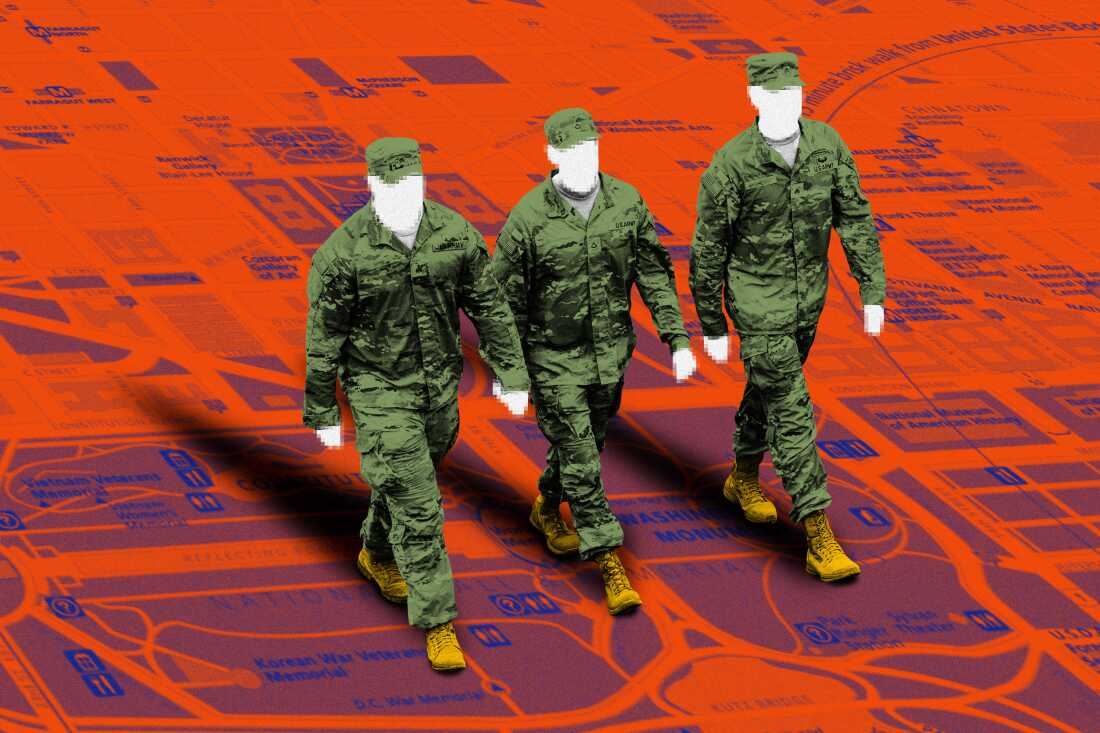
Thousands of National Guard members have been patrolling Washington, D.C. for over a year. This deployment is considered President Trump’s largest and longest domestic military engagement. Their presence has sparked debate among residents and constitutional experts.
Guard members have been largely silent in the public discussions due to strict policies against speaking to the press without authorization. However, some who are no longer part of the mission have started sharing their concerns with NPR.
The bad taste this mission left in my mouth, it embarrasses me to be involved in any way.
This sentiment was echoed by several guard members who spoke on condition of anonymity. They believe the unprecedented use of troops in D.C. is harming the National Guard’s reputation. Initially intended to support law enforcement amid a declared crime emergency, the factors motivating this prolonged deployment are disputed.
Despite President Trump’s claims about increased safety, studies show the Guard has had little impact on reducing violent crime. Many guard members feel the mission is more of a political maneuver than a necessary intervention.
Throughout the deployment, troops shifted from beautification projects to presence patrols intended to deter crime. Guard members liken these patrols to tactics used in foreign military operations to garner public goodwill.
From the onset, there was confusion about specific tasks, and the lack of clear goals made the deployment feel indefinite.
NPR’s investigation revealed that although the troops were present to enhance safety, their extensive deployment hasn’t significantly reduced crime. The strategy is costly, with estimates predicting an overall expenditure of around $3.4 billion by the mission’s conclusion.
This deployment also highlighted issues of benefits and incentives that attract guardsmen from Republican-majority states. Many rely financially on this assignment despite their reservations about the mission.
These perks include better accommodations than usual, including furnished, luxury apartments to replace hotel stays for guardsmen. However, such arrangements raise concerns about the long-term financial implications.
The deployment has also had personal costs, with the death of Specialist Sarah Beckstrom sparking questions about the necessity and planning of the mission.
Amid escalating anti-guard sentiment, very few in the community welcome the National Guard’s presence. D.C. residents express a desire for guardsmen to leave, with signs and protests frequently observed.
Concerns exist that prolonged military patrols could alter the National Guard’s image from one that is noble to potentially threatening. Members worry about excessive normalization of armed troops in American cities.