
Federal Program and Rising Sales
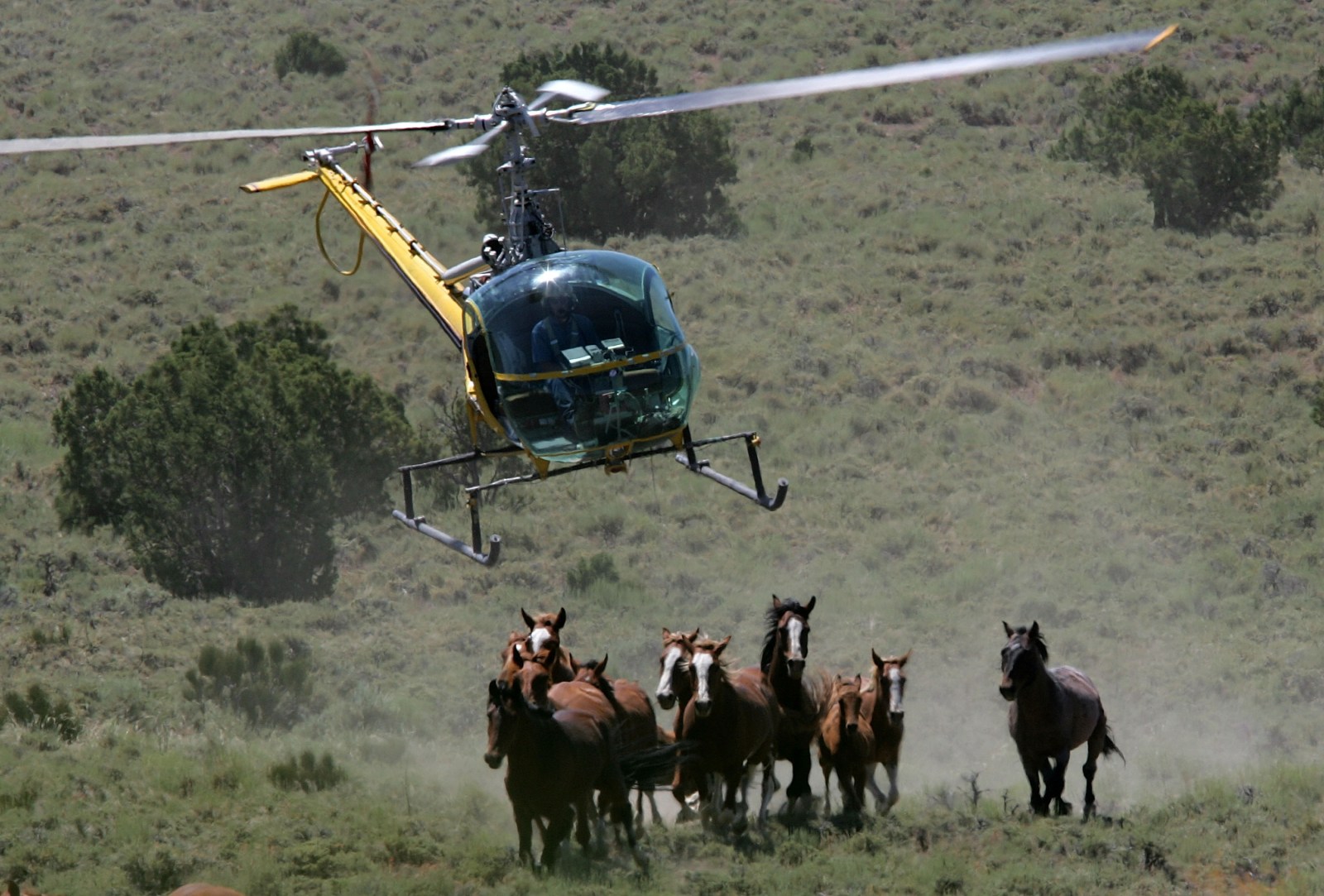
Under the Trump administration, the sale of federally protected wild horses has surged, prompting concerns from animal welfare groups about potential slaughter risks after they are sold through government programs. A New York Times investigation brought attention to the Bureau of Land Management’s (BLM) Sale Authority program. This program allows horses deemed unadoptable to be sold following unsuccessful adoption attempts.
When sold, horses lose legal protections held by adopted ones, although initial buyers must agree to not slaughter them or sell them to those with such intentions. Critics assert that this restriction can be bypassed when horses are resold to intermediaries not bound by the agreement.
Impact of Sales Increase
Sales of wild horses increased markedly after Trump assumed office, with BLM selling around 3,700 horses in 2025, double the previous year’s total.
There are approximately 73,000 wild horses grazing federal lands in the West, and another 58,000 in BLM holding facilities, costing $100 million annually for their upkeep. The government estimates saving $56 million by selling horses in 2025, avoiding prolonged care costs.
The Department of the Interior outlined its legal obligation to manage public lands’ healthy herds, citing programs as critical to controlling overcrowding and reducing taxpayer expenses.
Criticism and Federal Response
The Department of the Interior told Newsweek that BLM does not facilitate horse slaughter, reviewing allegations of misconduct as appropriate. The Wild Free-Roaming Horses and Burros Act of 1971 mandates protection for these animals, with further legislative direction from Congress in 2004 regarding excess animals and sales safeguards.
Questions Around Authority Program
Patricia Miller of the American Wild Horse Conservation highlighted increased scrutiny of the Sale Authority program, drawing correlations between pressured horse relocations from long-term facilities and planned roundups. Freedom of Information Act requests unveiled significant increases in sales, identifying large group transactions to unvetted buyers as a concern.
Following a federal court ruling in 2025, BLM paused its Adoption Incentive Program after allegations surfaced about horses entering slaughter channels post-adoption. A judge reinforced concerns about potential violations linked directly to agency activities, leading to program suspension.
Vetting Buyers
Critics underscore the importance of vetting potential buyers. With cases like Brandon Jones, an Ohio livestock trader obtaining horses through the program, scrutiny intensifies. Jones denies allegations regarding slaughter but declines to disclose specifics about horses’ destinations post-purchase.
Interior’s statement emphasizes responsible ownership among most adopters, contrasting individuals misusing the program with responsible caretakers. Miller notes reports from volunteers and sanctuaries about horses found in “kill pens,” destined for slaughter markets.
Fertility Control Debate
Fertility control measures are a contentious point in managing wild horse populations. Advocates argue against the government’s overreliance on roundups, holding facilities, and sales instead of focusing on expansive fertility control initiatives.
Miller points out the lack of plans to reintegrate fertility control management, predicting future cycles of population issues.
BLM acknowledges the value but complexity of fertility control methods, stressing limitations like repeated treatment needs and efficacy predominantly within smaller herds.
Federal Management Challenges
The broader challenge for federal land managers remains clear. Balancing ecosystem preservation with burgeoning wild horse populations lacking natural predators leads agencies like BLM and U.S. Forest Service to adopt a combination of gathers, fertility vaccines, and continued population research.
Advocates claim that increasing horse sales reflects unresolved primary causes of escalating population numbers. Personalized concerns focus on Sale Authority’s shift from older or difficult-to-place horses to younger, more marketable animals.
Discussion continues around post-sale outcomes and government efforts on mitigating population spikes through fertility initiatives and holistic management techniques.