
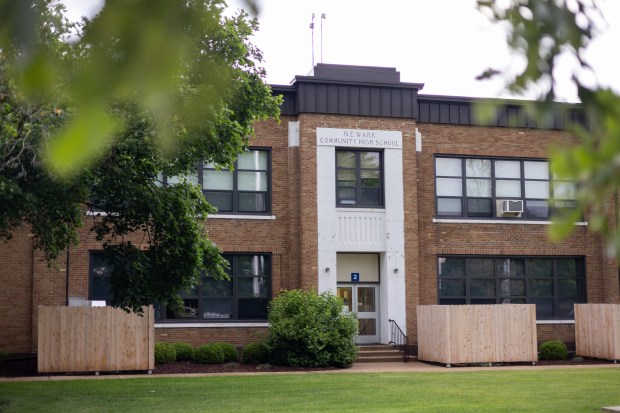
In Kendall County, a casual conversation after senior pranks turned into a significant legal issue for teenager Jackson Leggett. During an English class, Leggett and his friends laughed about the previous day’s pranks, like toilet-papering the principal’s house and parking speed boats at the school. When rumors spread about potential school vandalism, Leggett made a sarcastic remark: “What do you think I’m gonna do? Burn the school down?” He intended the comment as a joke, yet it disrupted his entire senior year.
Last month Leggett, who is now 19, filed a lawsuit in federal court against the school district, superintendent, teacher, Kendall County, and a sheriff’s deputy. The suit claims his wrongful arrest and false felony charges of disorderly conduct deprived him of key senior year experiences. He explained that the incident caused him constant anxiety and harmed his reputation in the small community located about 90 minutes from Chicago.
Julia Rickert, Leggett’s attorney, emphasized students still have First Amendment rights in schools, despite some limitations, and said the school had overstepped by criminalizing speech.
School and Law Enforcement’s Response
In response, Superintendent and Principal Tim Ulrich stated that the claims against the district and its employees lack merit and confirmed plans to defend against these claims. Dan Briars from the Kendall County sheriff’s office explained that they cannot currently comment on pending litigation, but asserted investigations are thorough and based on probable cause.
Senior Pranks and Their Consequences
Senior pranks at Newark Community High School were a traditional rite of passage, which Leggett had known about since freshman year. That year’s pranks were not unusual, and the lawsuit alleges Ulrich allowed them to happen, as long as there was no permanent damage.
However, trouble arose not from the pranks themselves, but from Leggett’s joking remarks made later. The teacher involved reported the conversation to school administrators, labeling Leggett’s comments as bizarre despite noting they were jokes. This led to a three-day suspension for Leggett, but the situation escalated as Ulrich sought legal action.
During a conversation with a Kendall County sheriff’s deputy, the teacher warned the students to stop discussing pranks, expressing concerns despite their laughter. The deputy noted Ulrich did not perceive the remarks as jokes and felt threatened, even though the teacher’s account suggested they were in jest.
Leggett expressed confusion over why the principal wanted to escalate the issue legally, seeking answers through the lawsuit.
Impact on Leggett’s Life
While mowing a client’s lawn days after the remarks, Leggett was unexpectedly arrested by police. His request to avoid the client’s property was denied, intensifying his shock and fear. He faced a felony disorderly conduct charge and spent eight days in a juvenile detention facility, later describing it as a harrowing experience.
The charges were dropped seven months after his arrest, but the incident left deep scars on Leggett’s education and personal life. Forced to finish his senior year online, he missed significant events like prom and graduation. Leggett faced exclusion from the yearbook and could not play basketball, a sport he cherished.
Leggett also experienced community judgment, impacting his landscaping business. Additionally, flagged as a “danger” by authorities, he cannot obtain a firearm owner’s ID card, affecting his ability to hunt—a pastime he highly valued.
Now working as a machine operator, Leggett hopes sharing his story will change perceptions and bring understanding about his challenges. He seeks accountability from the school and police and wishes schools address issues more thoughtfully without resorting to arrests.