
Decades of Pollution in Town of Pines
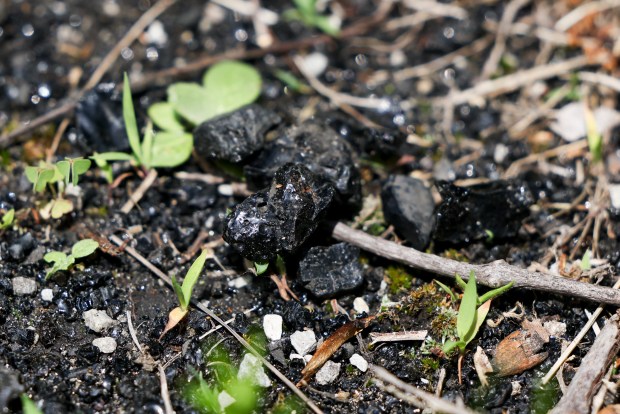
In Town of Pines, Indiana, residents face ongoing contamination issues due to coal ash. Cathi Murray often finds coal ash in her garden, a reminder of the pollution caused by the nearby Michigan City Generating Station, located less than three miles away. The community has dealt with this issue for over three decades.
The source of the contamination traces back to the late 1970s. Northern Indiana Public Service Co. spread coal ash, a waste product containing heavy metals, throughout the area. It was used as fill material for roads and landscaping, according to the U.S. Environmental Protection Agency (EPA).
Health and Environmental Concerns
Coal ash exposure can lead to serious health issues, including cancers and neurological disorders. This makes the situation in Pines, designated a Superfund site over 20 years ago, particularly concerning for residents. Despite efforts to address the issue, the town continues to struggle with the aftermath of pollution.
Lisa Evans, a senior counsel at Earthjustice, stressed the difficulties in rectifying the problem. The EPA’s potential rollback on coal ash regulations could worsen conditions for communities like Pines, especially those near Lake Michigan.
The Broader Impact Across Regions
An Earthjustice report identified 88 coal ash disposal sites within a two-mile radius of the Great Lakes. This includes several in the greater Chicago area. The Trump administration proposed changes to coal ash regulations that would delay cleanup and weaken restrictions on reuse, potentially making situations like Pines more common.
The state of Indiana has laws preventing it from enforcing stricter coal ash rules than the federal government. This means, if the EPA weakens regulations, Indiana may have fewer protections against contamination.
Comparison with Neighboring States
In Illinois, millions of cubic yards of coal ash sit near Lake Michigan in unlined ponds at the Waukegan Generating Station. Despite stricter state laws than Indiana, legacy sites like those in Waukegan remain a concern. Environmental groups argue that the rollback could leave such sites unregulated, posing further risks.
Debra Shore, a former EPA administrator, highlighted the potential for inconsistent protections. Where one state could have stronger regulations, a neighboring state may suffer from less stringent rules due to federal rollbacks.
Historical Context and Future Risks
The EPA first introduced coal ash regulations in 2015 after a massive spill in Tennessee. However, Earthjustice and others argued that many older disposal sites were left unregulated. Indiana, with the highest number of coal ash sites in the country, is particularly affected.
Alongside Trail Creek, Michigan City utilizes coal ash fill, a practice shared by other Lake Michigan communities to extend shorelines. The integrity of aging infrastructure, like seawalls, presents further challenges amid changing regulations.
Citizen Advocacy and Legal Interventions
Advocacy groups in both Indiana and Illinois continue to push for stricter regulations and cleanup efforts. In Waukegan, litigation has led to some progress in addressing coal ash ponds. Yet, the rollback poses a threat to these efforts.
Environmental advocates express concern over the potential re-classification of coal ash for beneficial uses, fearing a repeat of past mistakes.
Community and Environmental Impact
For residents like Cathi Murray, the presence of coal ash in everyday life is a concerning reality. Elevated toxin levels in the water supply and potential health impacts remain key worries.
Town of Pines’ history serves as a cautionary tale. Advocacy groups vow to continue their fight for environmental safety, despite obstacles at the federal level.
Future Steps and Considerations
With the EPA’s final decision pending, activists plan their next moves. They stress the need for continued vigilance and advocacy to protect affected communities and environments.
As Shore warns, regulatory decisions today may result in long-term consequences. This underscores the importance of ensuring comprehensive protections for both human health and the environment.