
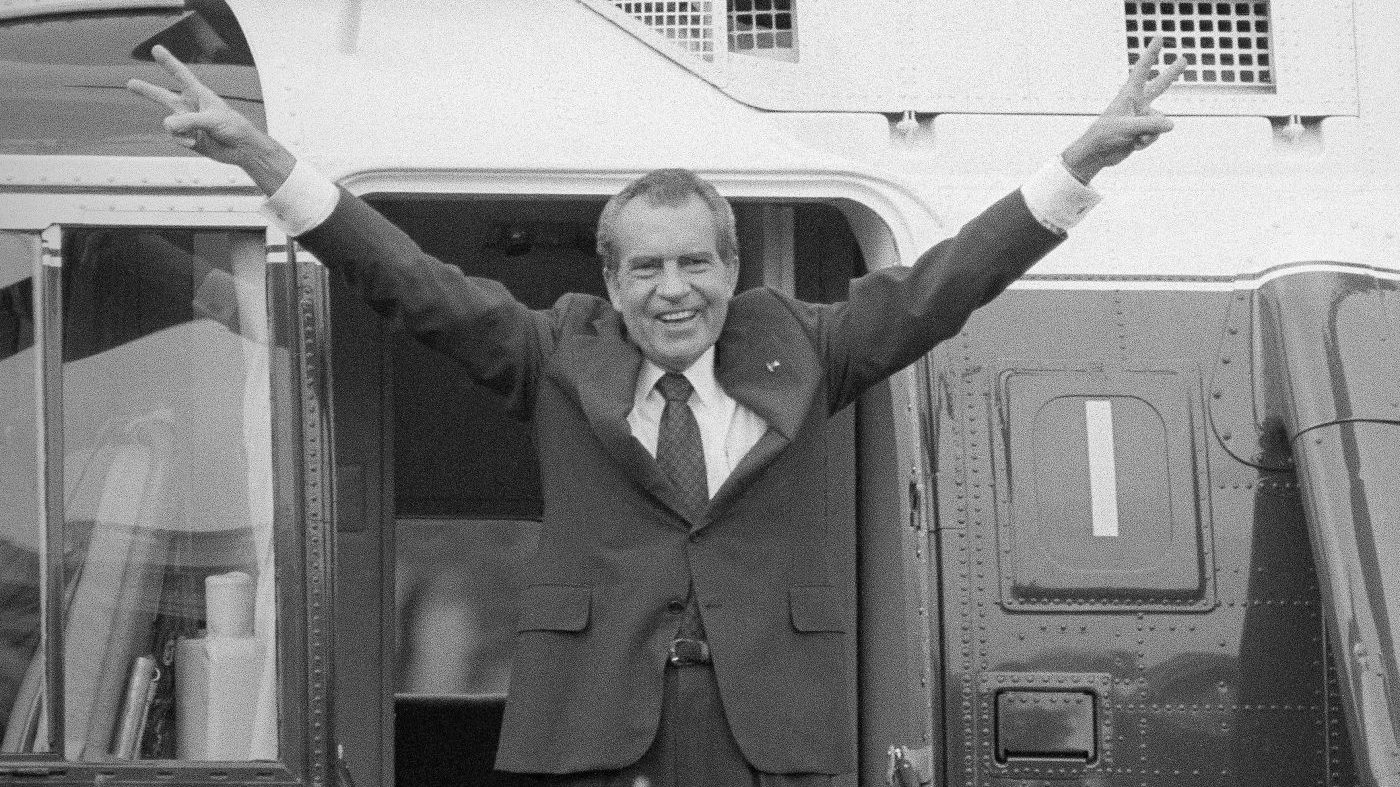
Richard Nixon’s legacy continues to resonate, especially among young conservatives. His departure from the presidency after resigning on August 9, 1974, marked a definitive moment in American politics. Nixon’s influence remains significant today, particularly in the current political climate shaped by the unpredictable Age of Trump.
Over the last decade, political norms have shifted dramatically. Campaigning, communicating, and vetting candidates have evolved in unpredictable ways, shaped by rapidly changing ideological landscapes. This new paradigm will likely impact upcoming elections, including the midterms and the 2028 presidential race.
Vice President JD Vance suggests a path through this uncertainty by returning to traditional methods, securing the future by embracing the past. The Wall Street Journal explored this in an article titled “Young Conservatives Have an Unlikely New Icon: Richard Nixon.” Opinions vary on whether the fascination with Nixon is a fad or a growing trend. However, many see it as a legitimate movement among Gen Z.
A number of Gen Z individuals express disillusionment with existing political parties, feeling left behind by the American dream. In response, they explore past presidents and policies, finding interest in Nixon’s era. The Wall Street Journal noted many young conservatives are intrigued by historical figures such as Nixon and his speechwriter Patrick Buchanan, as well as Ronald Reagan’s communication director.
On June 25, Vice President Vance visited the Richard Nixon Presidential Library. During his visit, he engaged in a conversation about America’s future and discussed his new book, “Communion: Finding My Way Back To Faith.” Vance’s remarks comparing himself to Nixon sparked media attention, with The New York Times suggesting he downplayed Watergate and proposed that the scandal would be less significant today.
Vance’s comments align with a growing belief that the “deep state” played a role in Nixon’s downfall. This theory has gained traction in recent times, illustrated by discussions such as a New York Times op-ed uncovering new Watergate documents and Glenn Beck’s podcast exploring the deep state’s origins.
Despite the polarizing views on Nixon, both he and Trump remain focal points of debate. Vance appears to embrace this polarity, converting negative perceptions into positive opportunities. His strategy reflects a broader appeal among Gen Z, who are increasingly contemplating socialism and communism’s impact on their lives. Many young men, however, lean towards conservative ideals and choose independent thought over strict party adherence.
Nixon, despite his flaws, demonstrated notable strengths as president. He connected with the working class and achieved significant electoral victories. JD Vance shares similar attributes, having served as a senator and now as vice president at a comparable age to Nixon. His grassroots appeal mirrors Nixon’s ability to relate to everyday Americans.
As progressive figures like New York City Mayor Zohran Mamdani and Rep. Alexandria Ocasio-Cortez advocate for socialism, young individuals seeking stability may turn to Nixon’s legacy to understand traditional values. Embracing “old school” methodologies could aid Republicans in maintaining influence in the White House.