
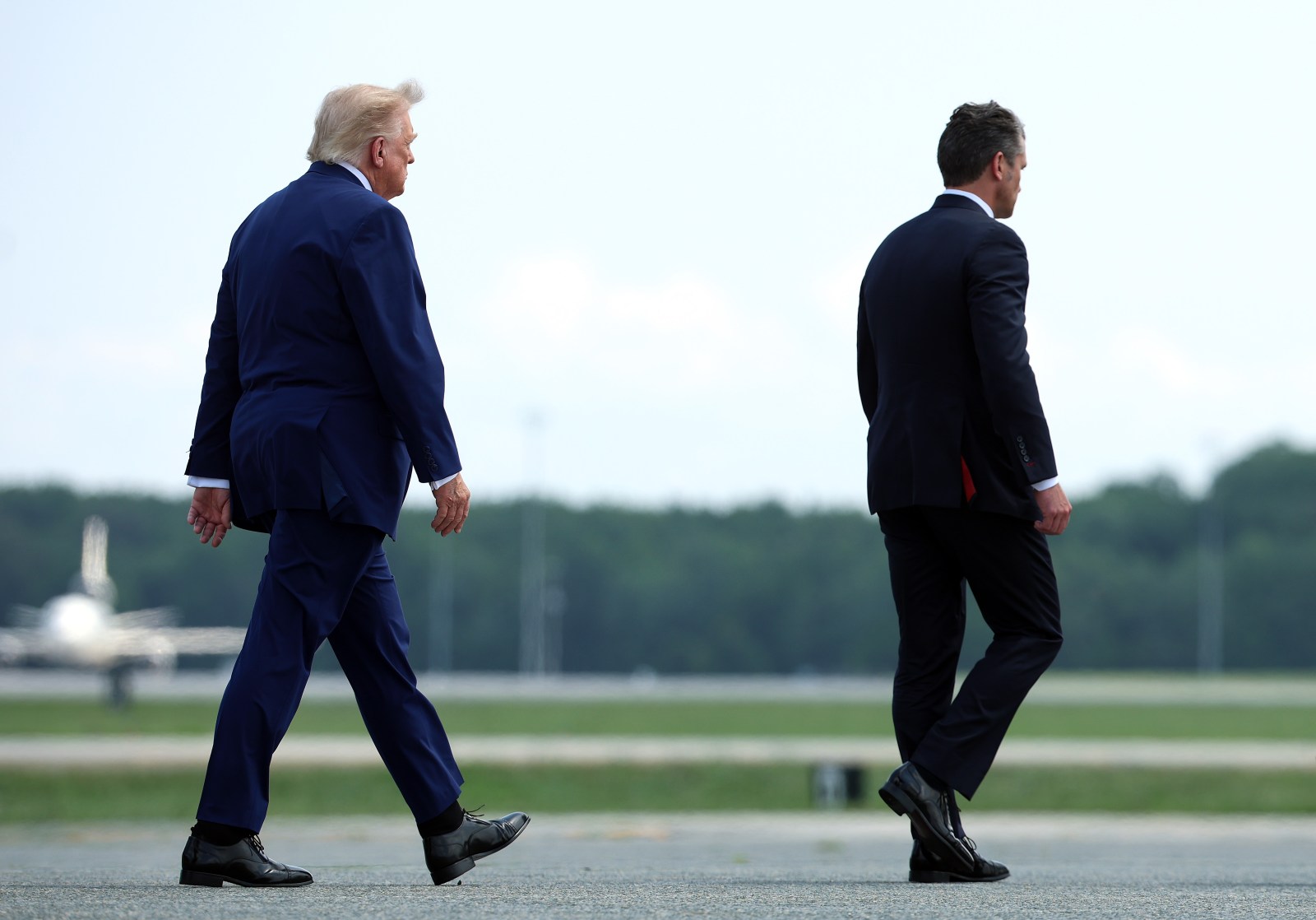
Nearly five months have passed since the beginning of the war between the United States and Iran, with President Donald Trump facing an unprecedented lack of public support for the conflict. Historical data reveals that the current level of approval is notably lower than any previous American war’s approval at a similar stage.
Public Opinion and Polls
The public’s reaction to the war with Iran differs from past conflicts such as Afghanistan and Iraq, where initial support was strong but waned over time. In contrast, the Iran war started with low approval and has remained there. A Gallup poll from June 1 to June 15, approximately 93 days into the conflict, showed only 34 percent of Americans approved of military action against Iran.
For comparison, at a comparable stage in the 2011 Libya campaign, Gallup found a 39 percent approval rating at 95 days. During the Iraq war, approval was much higher at 60 percent, 260 days into the conflict. Initial polls showed even stronger support for past military actions, with 90 percent approval for Afghanistan strikes and 76 percent for the Iraq invasion.
Low Initial Support
Analysis from The New York Times highlighted the unusually low initial support for the Iran conflict, citing a CNN poll showing 41 percent approval—the lowest recorded for the start of American military action. Historical comparisons from Gallup’s review of military engagements since the 1980s identified only two other campaigns that began without majority support: Libya under President Obama (47 percent) and Syrian strikes in 2017 and 2018 (50 percent each).
Persistently Poor Approval Ratings
As the conflict continued, opinions have not improved. A Washington Post-Ipsos poll from July 8 to July 13 found that only 29 percent of respondents approved of Trump’s handling of the Iran war, with 68 percent claiming the war was not worth fighting.
This gap mirrors the worst polling results from the Afghanistan war in 2013, nearly 12 years into that conflict, where 67 percent said it was not worth fighting compared to 28 percent who believed otherwise.
Lack of Rally Effect
Traditionally, presidents experience a surge of support during wartime—a phenomenon known as rallying round the flag. President George W. Bush’s approval rating soared after the September 11 attacks, reaching 90 percent and remaining high during the Afghanistan campaign.
President Trump, however, saw no such increase. A Reuters/Ipsos poll showed his approval at 40 percent before the conflict, dropping to 36 percent by late March. Mark Jones from Rice University’s Baker Institute for Public Policy noted the absence of a traditional rally-around-the-flag effect.
Factors Behind Unpopularity
Several reasons may explain the unpopularity of the Iran war:
- The war was a choice with no domestic trigger, lacking an attack on American soil.
- The economic impact, with soaring gasoline prices above $100 a barrel, increased living costs.
- Gallup reported stark polarization, showing varied support among political alignments—79 percent approval among Republicans, much lower among independents and Democrats.
Nate Silver noted fast-changing opinions on the war, an unusual trend for Trump’s presidency.
Comparison Limits
While unpopular, the Iran war doesn’t dominate public attention like earlier conflicts such as Iraq and Vietnam, both of which recorded high levels of concern. The war’s toll in American lives is also considerably lower.
Ongoing Conflict and Prospects
With no indication of an imminent resolution, Washington continues military operations, and attention focuses on potential diplomatic engagements or changes in Iran’s military posture. Observers watch for signs of conflict de-escalation or intensification through increased targeting, Iranian retaliation, or diplomatic interventions.