
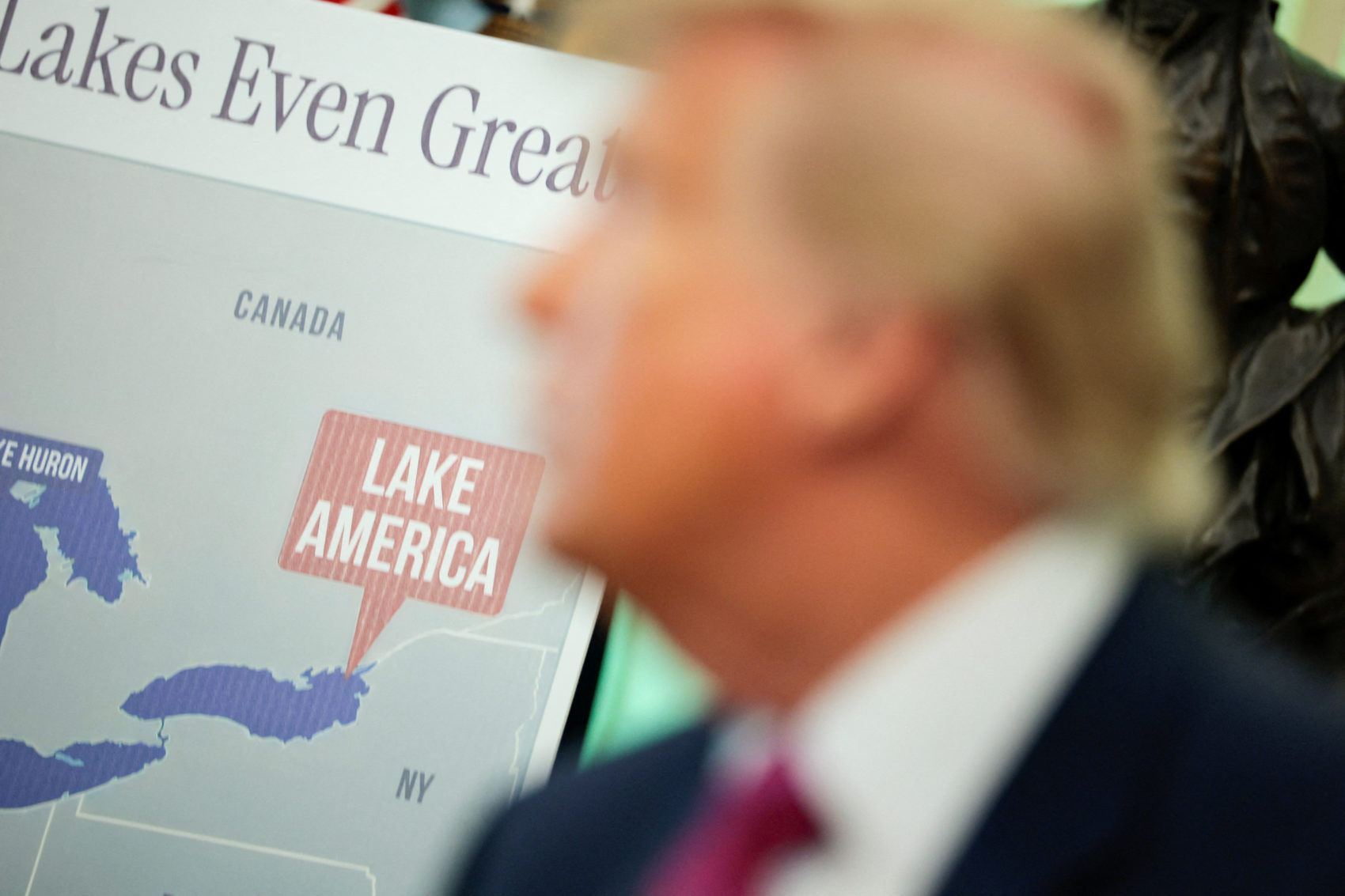
In the early days of this election cycle, several developments were unforeseen. The U.S. was not engaged in conflict with Iran, and landmarks like the East Wing of the White House and the Kennedy Center were not under threat. The issue of artificial intelligence data centers was not at the forefront of discussions about the tech industry. Democratic socialists were considered fringe in political discourse, and the name of Lake Ontario was not under dispute.
Since President Donald Trump entered politics, he has consistently dominated national discussions. As the final midterm of his presidency approaches, the political scene is notably unstable with Trump as a focal point. House Speaker Mike Johnson of Louisiana asserted, “Some of these things are out of our control,” when queried about the potential impacts on his party’s election chances.
Changes in electoral maps have occurred, with states like Texas, California, and Florida redrawing congressional districts. Missouri’s Republican attorney general is contesting a court decision that blocked a Trump-supported map there. As the election approaches, further changes are likely.
The economic effects of Trump’s tariffs on Canada may worsen. His attempts to curtail mail ballots inject uncertainty into the voting process, especially in states like North Carolina, hosting a key Senate race. Trump’s financial resources, surpassing $400 million, have the potential to influence the election significantly.
Throughout his presidency, Trump has amassed significant wealth, including $1.2 billion from crypto ventures last year. This figure overshadows a Senate initiative to enhance cryptocurrency regulation, with Democrats demanding stricter ethics provisions. “We’ve watched this president enrich himself,” asserted Sen. Angela Alsobrooks of Maryland.
Despite various shifts, both Democrats and Republicans recognize Trump’s pivotal role in this election cycle. “No. 1, President Trump,” cited Ari Fleischer, former press secretary for Republican President George W. Bush, when asked about leading issues for the year. Democratic Congressional Campaign Committee Chair Rep. Suzan DelBene pointed out the impact of Trump’s actions on voters.
Democratic Strategies and Challenges
Historically, midterms challenge the ruling party as voters seek change. Democrats aim to reclaim the House and possibly the Senate. Success depends on maintaining positions in states like Georgia, Michigan, and New Hampshire while capturing Republican seats in locations like Maine, Texas, Iowa, or Ohio.
The Democratic Governors Association has allocated resources to key races in Georgia, Ohio, Iowa, and Nevada. Kentucky Governor Andy Beshear, a potential 2028 presidential candidate, is optimistic about Democratic prospects in gubernatorial contests, especially in Iowa. However, Beshear acknowledged the difficulties in Arizona and Minnesota, where Republicans look to capitalize on anti-incumbent sentiments.
Republicans hope to associate Democrats with the far left by highlighting democratic socialist successes in certain primaries. Beshear countered these notions, criticizing Trump’s policies as resembling socialism.
Election Concerns Persist
Amid these dynamics, concerns linger about federal influence on elections. Wyoming’s Republican Governor Mark Gordon criticized the actions of federal officials overseeing polling. Oklahoma Governor Kevin Stitt supports state-controlled elections, resisting federal involvement.
In critical states, Democrats portray their races as fundamental to future campaigns. Aaron Ford, the Nevada attorney general running for governor, emphasized Nevada’s significance as a swing state committed to safeguarding the electoral process.