
The re-emergence of the New World screwworm, a parasite eradicated in the U.S. during the 1960s, has sparked concerns about potential threats to the nation’s food supply. This parasite is unlike typical foodborne diseases like norovirus, E. coli, and salmonella, which affect millions annually. Experts assert that screwworms do not pose a risk to food safety.
Impact on Food Supply
Dr. Aaron Glatt, chief of infectious diseases at Mount Sinai South Nassau Hospital, confirms that the U.S. food supply remains uncompromised by screwworms. While screwworm infestations affect animals, they do not contaminate meat, milk, or produce. The parasite cannot withstand standard meat processing and cooking methods.
Originally found in South America and the Caribbean, the screwworm advanced north after outbreaks in Panama and Costa Rica in 2023. In June, U.S. officials recorded a screwworm case in a calf in Zavala County, Texas, the first since eradication in the 1960s, excluding a past outbreak in Florida.
Current Situation
Since early June, 33 screwworm infections in animals have been reported in Texas and New Mexico. Regulatory bodies routinely test the U.S. milk and food supply to ensure safety. Animals for food production undergo inspection before and after slaughter to meet food safety standards.
If any illness is detected in animals before slaughter, the USDA’s meat inspection system isolates them for further examination. Infected animals must be quarantined until they are completely healed.
Transmission Methods
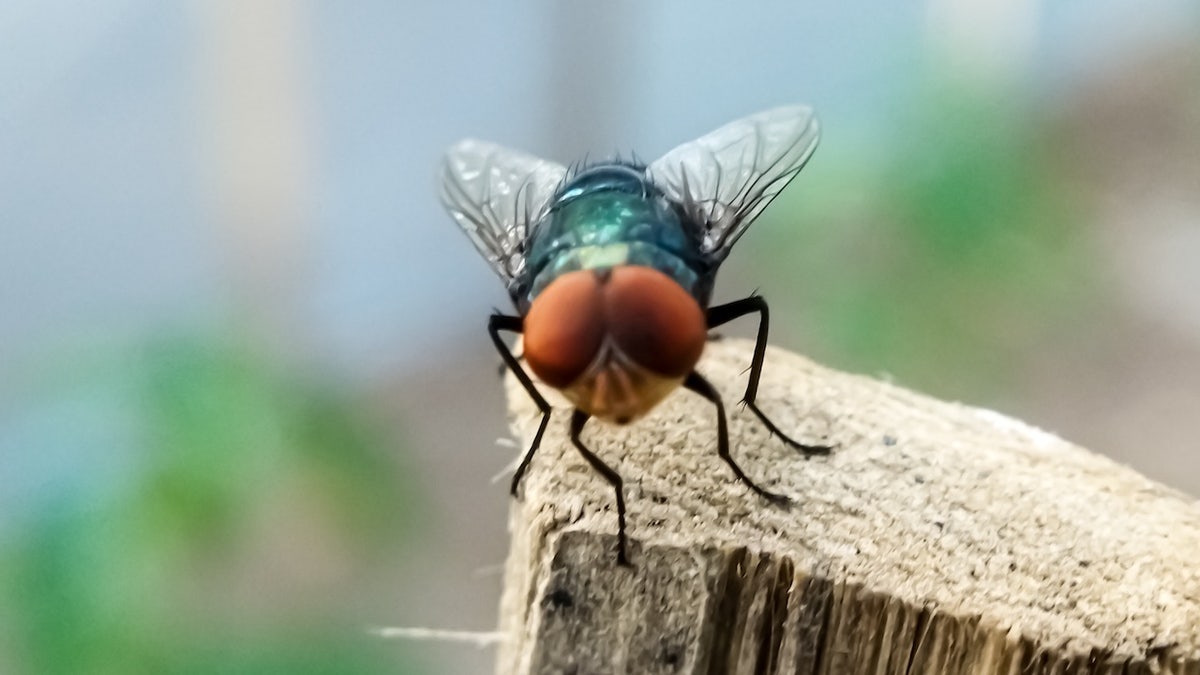
The screwworm, a fly resembling a housefly, infects warm-blooded animals, occasionally affecting humans. Infection begins when female flies lay eggs in wounds. Eggs hatch into maggots that embed in the flesh before becoming adult flies. The USDA stresses that screwworm does not spread through meat, dairy, or poultry.
The parasite thrives in tropical climates, and spreading northward raises concerns about climate impact on its geographic range.
Efforts to Combat Spread
To tackle current outbreaks, the USDA uses the sterile insect technique by deploying sterile male flies to mate with females, leading to non-viable offspring. This method successfully eradicated screwworms in the past.
Investments in facilities are underway, including a $21 million renovation project in Mexico for sterile fly production and a planned “fly factory” in Texas by 2027.
Symptoms, Treatment, and Prevention
In rare human infections, symptoms include non-healing wounds, swelling, and visible larvae. Medical assistance is required for proper treatment. The CDC advises keeping wounds covered and minimizing skin exposure with protective clothing and repellents.
Proper disposal of larvae involves placing them in alcohol, not trash, to prevent spreading. The CDC provides guidance for infection prevention, such as using insect repellent and ensuring safe sleeping conditions.