
If you experience back discomfort and stiffness, you might have considered inversion tables as a potential remedy. Known for their association with spinal traction, these tables are gaining popularity for managing sciatica and various forms of chronic pain. Many individuals find them to be an effective alternative to painkillers and prescription medications.
What Is an Inversion Table?
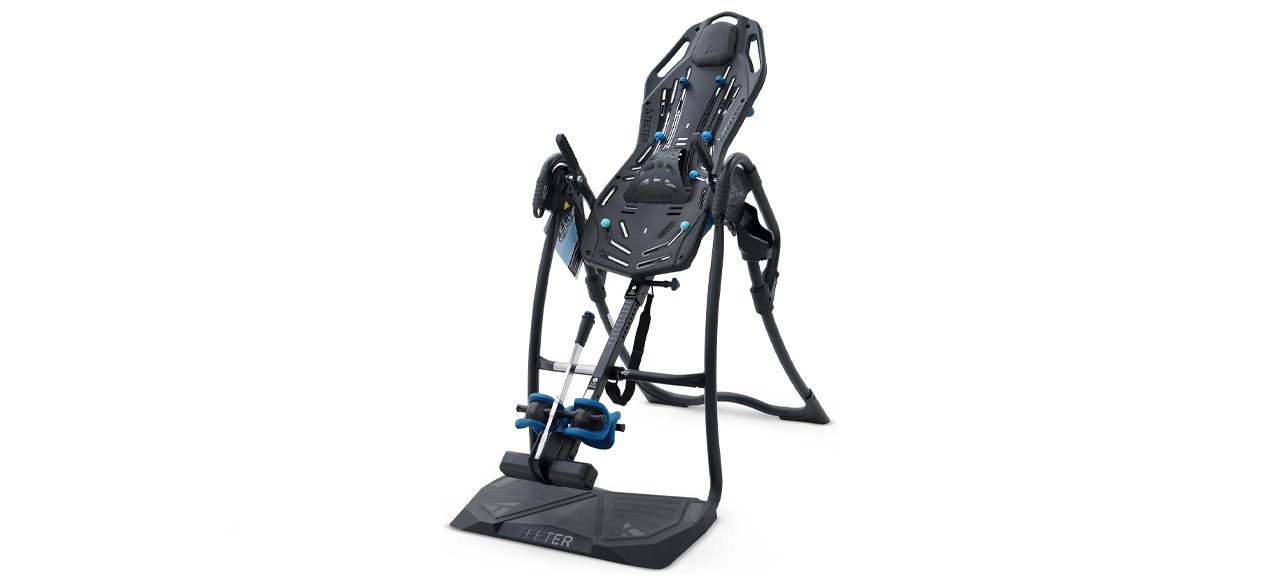
Inversion tables are therapeutic devices allowing users to hang upside down securely. They use straps and buckles to hold your ankles, providing a safe way to lean back. The tables have handles that facilitate stretching your back muscles and make it easy to return to an upright position due to their smooth, gliding motion.
How Do Inversion Tables Work?
Inversion tables alleviate spinal pressure by counteracting gravity’s force. Hanging upside down lets the vertebrae in your back and neck expand. This increases the space between bones, relieves pressure, and boosts blood flow to typically restricted areas.
Back Pain: Users often experience temporary relief from chronic back pain and soreness with regular inversion therapy.
Muscle Spasms: The tables allow deep stretching of lower back muscles and connective tissue, relieving cramping and spasms.
Kidney Stones: Research shows that inversion therapy can assist in passing kidney stones with reduced pain.
Poor Circulation: The therapy is said to improve circulation, reaching areas usually deprived of blood flow.
Inflammation: Enhanced lymphatic fluid flow due to gravity reversal reportedly reduces inflammation.
Does Inversion Therapy Work?
Results vary. Some individuals find inversion to be crucial for daily comfort, engaging in activities once limited by pain. Others report minimal effects, finding similar benefits from back stretchers and yoga.
Risks Associated with Inversion Tables
Though generally safe, inversion therapy might pose risks for those with certain health conditions. It could be hazardous for individuals at risk of retinal detachment or stroke due to spinal separation and increased head and eye blood pressure. It is not advisable for people with spinal injuries or those on blood thinners. Consulting with a doctor is crucial before starting inversion therapy.
Top Inversion Table Picks
- Teeter FitSpine LX9 Inversion Table: Comes with handles for deep muscle stretches, acupressure nodes, and a lumbar support attachment. It is compatible with Teeter’s app for optimal use.
- Innova ITM5900 Advanced Heat and Massage Inversion Therapy Table: Features a therapeutic heat and vibrating massage pad covering the spinal area, with multiple heat and massage modes for customization.
- Harison Inversion Table: Has a sturdy steel frame and adjustable foam ankle rollers for comfortable inversion, with long handles for easy position adjustment.
- Teeter EP-560 Ltd. Inversion Table: Foldable for storage, includes optional acupressure nodes and a lumbar bridge for targeted relief. Locking capability for the inverted position ensures comfort.
- Innova Inversion Table: Offers an adjustable headrest and multiple adjustment options, accommodating a wide range of users with generous padding.
Prices are subject to change. Check out our Daily Deals for the best products at competitive prices.
BestReviews dedicates time to researching and testing products to recommend the best options for consumers. A commission may be earned through purchases made via our links, benefiting our newspaper partners.