
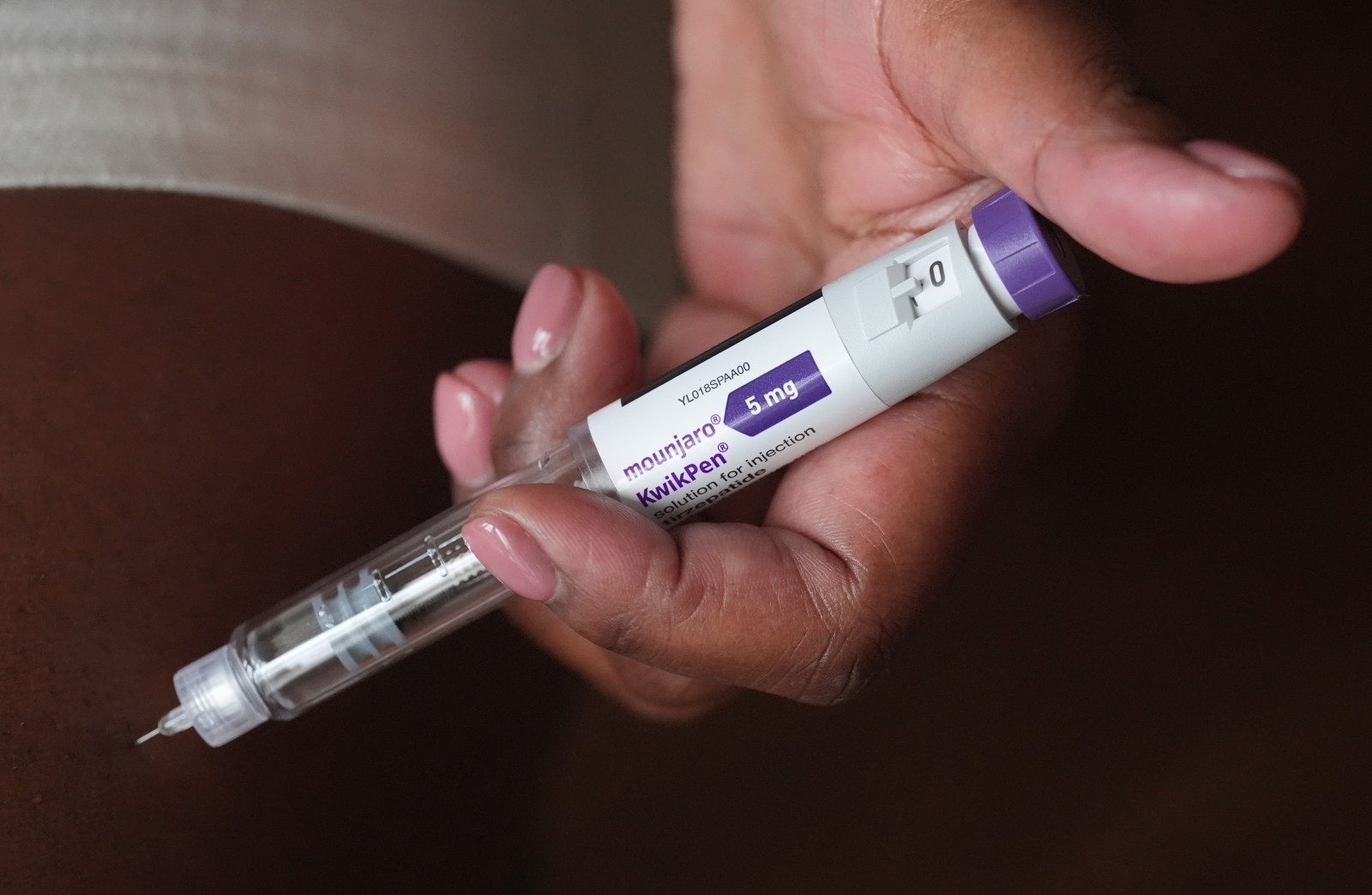
As many Americans use weight loss medications like Ozempic and Wegovy to manage type 2 diabetes and obesity, experts highlight the importance of addressing potential undernutrition. GLP-1 drugs are popular, with one in eight Americans using them as of March 2026, according to Statista. While these drugs have helped decrease obesity rates, they can also suppress appetite significantly, leading to nutritional concerns.
Nutritional Risks of GLP-1 Drugs
Dr. Fatima Cody Stanford, a Harvard University professor, warns that reduced appetite on GLP-1s can lead to inadequate intake of nutrients. Insufficient protein may result in lost lean muscle mass, and there’s a risk of not getting enough vitamin D, calcium, iron, and B vitamins. Physical side effects, such as fatigue and dizziness, may occur when meals are skipped or infrequent, and there is concern for decreased bone density without proper nutrition.
These medications do not differentiate between losing fat and lean mass; thus, nutrition is crucial. Some patients may avoid specific foods due to gastrointestinal side effects, which could worsen nutrient deficiencies.
Key Dietary Recommendations
Experts recommend several dietary guidelines for those on GLP-1 medications:
- Prioritize protein intake to maintain muscle mass.
- Consume small, regular meals, even with low hunger, to prevent undernutrition.
- Stay well-hydrated.
- Limit intake of highly processed and sugary foods.
- Consider supplementing certain vitamins.
- Engage in resistance training to preserve muscle and metabolic health.
Dr. Stanford emphasizes these medications should be part of a broader treatment plan that includes nutrition, physical activity, and behavioral support.
Recommended Foods for GLP-1 Users
Pharmacists at Curely, along with Dr. Stanford, suggest nutrient-dense options such as edamame, fish, yogurt, seeds, and legumes. Dr. John Batsis of the University of North Carolina adds eggs, cottage cheese, Greek yogurt, milk or fortified soy milk, poultry, lean meats, beans, and nut butters as beneficial choices. Professional dietary guidance is vital to accommodate individual dietary preferences and health conditions.
Everyday Substitutions
Curely pharmacists recommend making nutrient-rich substitutions in daily meals. Sobia Qasim advises viewing weight-loss drugs as part of a comprehensive lifestyle approach, including a diverse, nutrient-rich diet and regular physical activity.
Broader Dietary Patterns
Instead of focusing on specific foods, Dr. Stanford encourages building balanced, sustainable dietary patterns that consistently meet protein and micronutrient needs. Lean proteins like fish, poultry, or plant-based options should accompany every meal. Incorporating a variety of fruits and vegetables for fiber, vitamins, and minerals is crucial, along with whole grains and legumes for sustained energy and gut health. Healthy fats from nuts, seeds, and olive oil enhance satiety and nutrient absorption. Smaller meals may be easier to handle, especially with nausea or early fullness.
Dr. Batsis advises avoiding low nutritional value foods and combining good nutrition with resistance exercise. Persistent vomiting or severe limitations in food intake should prompt communication with healthcare providers.