
Health officials are looking into a surge in cyclosporiasis cases across the United States. Many consumers wonder if any fruits or vegetables are completely safe from the parasite causing the illness. Food safety experts say no fresh produce is entirely risk-free, though some foods pose lower risks due to how they are grown, processed, or prepared.
Current Situation in the U.S.
The Centers for Disease Control and Prevention (CDC) is investigating numerous confirmed cyclosporiasis cases in at least 31 states. Symptoms can include watery diarrhea, nausea, fatigue, and stomach cramps. Some experience frequent explosive bowel movements, persisting for weeks without treatment. Past outbreaks in the U.S. linked to fresh produce, such as bagged salads, cilantro, basil, and certain fruits and vegetables, have been noted. Federal officials have yet to identify a specific food source for the current rise in cases.
Understanding the Cyclospora Parasite
Cyclospora cayetanensis, a microscopic parasite, causes the illness. It contaminates food or water through human fecal matter. People contract it by consuming tainted food or water containing cyclospora oocysts. Unlike many foodborne pathogens, cyclospora only infects humans and must first develop in the environment to infect another person. Thus, outbreaks are often linked to contaminated fresh produce rather than direct transmission between individuals. The U.S. Food and Drug Administration (FDA) states cyclospora is associated with fresh produce in the U.S. and worldwide. The parasite is resistant to common disinfectants, including chlorine-based washes.
Maintaining Food Safety
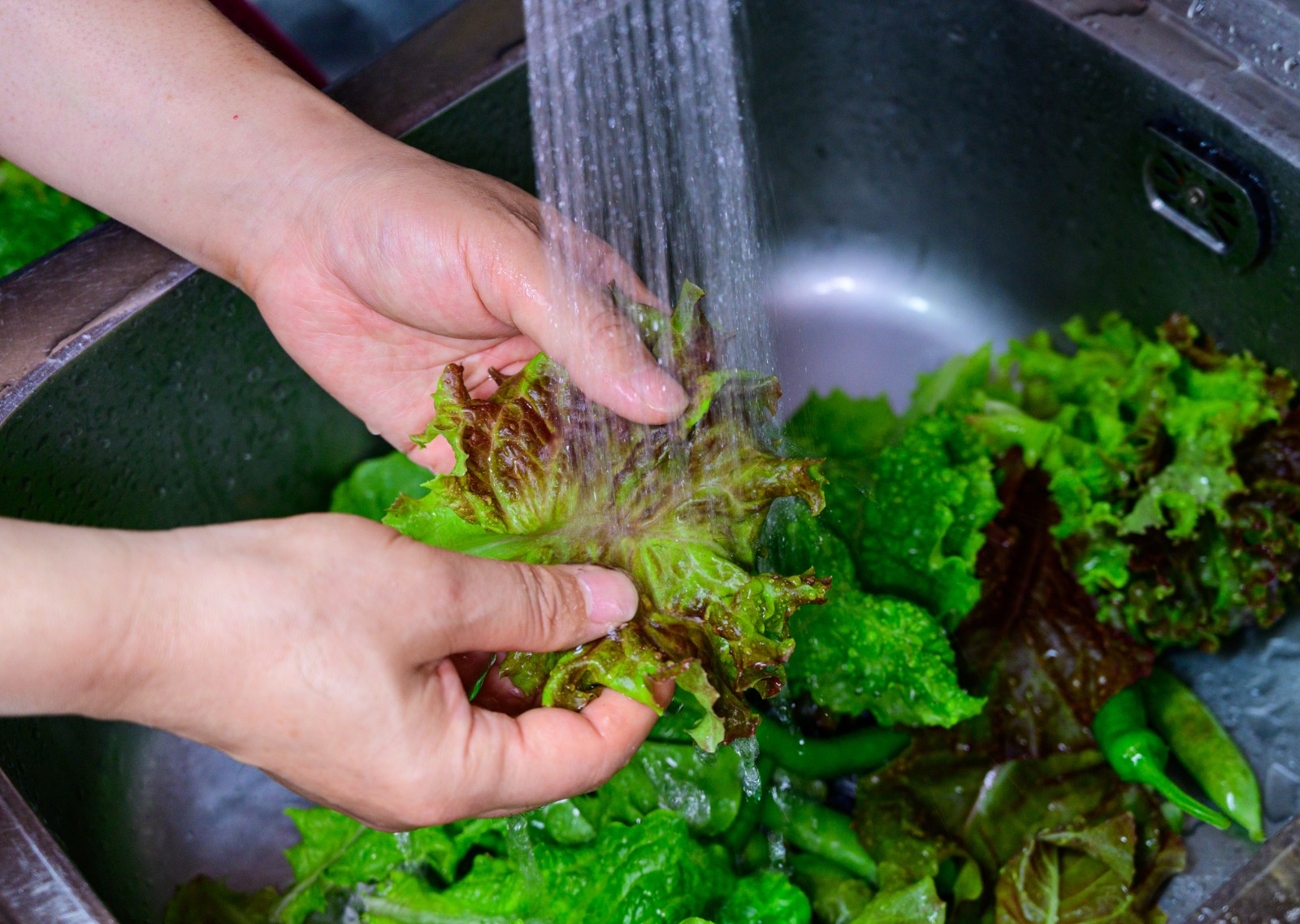
Fresh produce is most commonly linked to cyclospora outbreaks. Contamination occurs in fields due to poor sanitation or contaminated water. However, experts suggest not avoiding produce entirely. Risk levels vary. Fresh herbs, leafy greens, and delicate berries are considered higher risk due to their raw consumption and washing challenges. Canned fruits and vegetables pose minimal risk as canning uses heat to kill pathogens and parasites.
Low-Risk Fruits and Vegetables
No raw fruits and vegetables are entirely safe from cyclospora. However, there are lower-risk options, such as fruits with thick, inedible peels, which naturally protect the edible part.
- Bananas
- Citrus
- Avocados
- Pineapples
- Watermelons
- Mangoes
Avoiding produce identified in outbreak investigations reduces risk, along with choosing cooked vegetables and peeled fruits.
Cooking as a Safeguard
Fruits like raspberries and herbs like cilantro are more prone to cyclospora because oocysts can attach to their surfaces. Smooth surfaces, like blueberries, see fewer attachments. Avoid or cook these high-risk items during active outbreaks. Cooking inactivates cyclospora, making vegetables safer cooked. Produce typically eaten cooked carries decreased risk.
- Corn
- Green beans
- Peas (though raw pea pods have been a source in past outbreaks)
- Squash
- Cooked spinach
Growing Your Own Produce
Growing produce at home or buying from farmers’ markets may lower risks linked to commercial farming. Yet, cyclospora contamination remains possible through tainted water, soil, or poor sanitation. Safe water, proper sanitation, and sound agricultural practices lower risk but do not eliminate it. Watering method matters—drip irrigation may reduce risk for above-ground fruits, avoiding contamination from a shared water source. Washing produce, refrigerating cut items, avoiding recalled sources, and opting for cooked or canned choices further reduce risks.
The Path Forward
The source of the latest outbreak is still unidentified. Public health agencies emphasize that consuming fruits and vegetables is essential for a healthy diet. Investigations to pinpoint the outbreak source continue.