
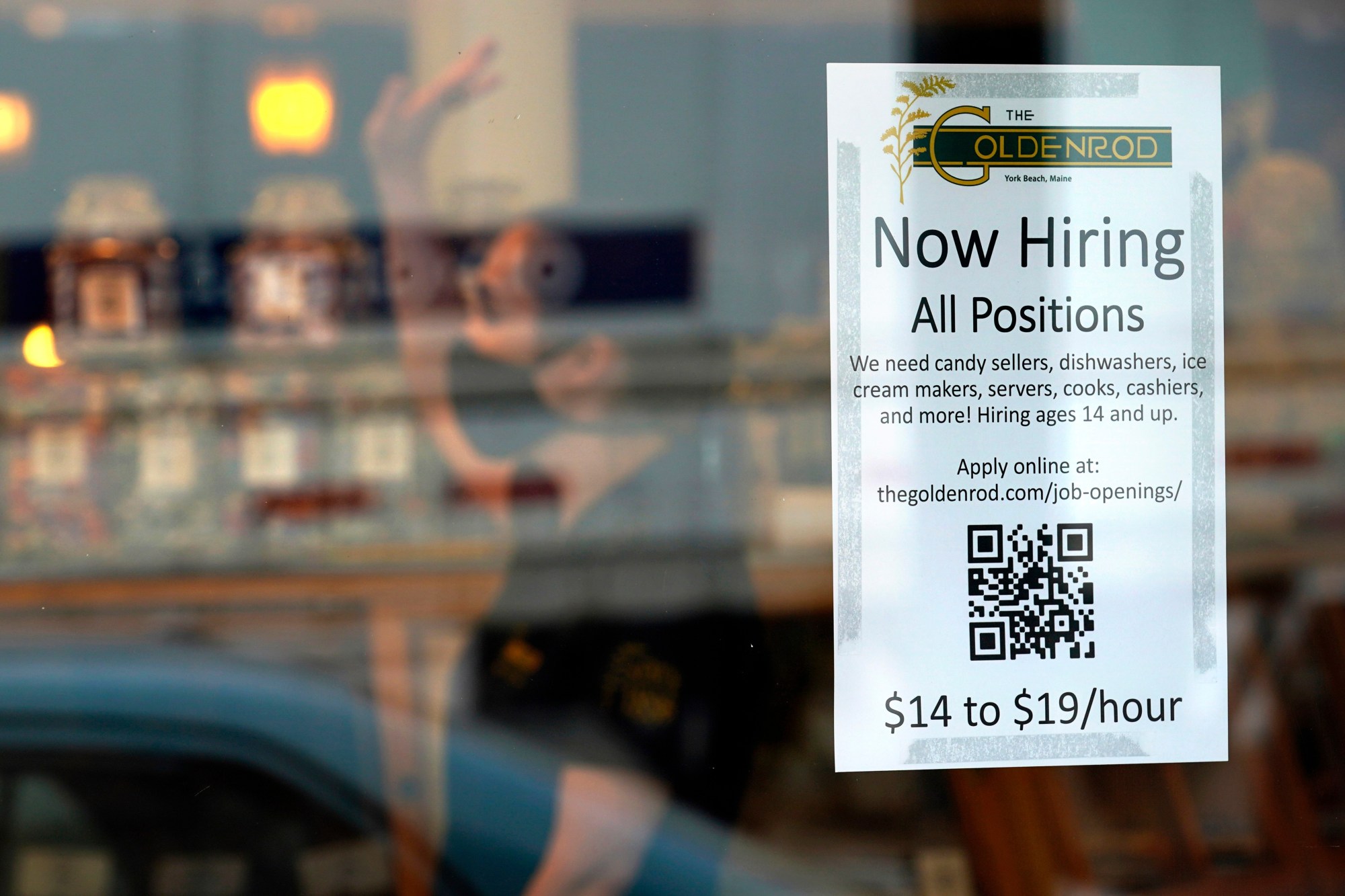
Last week, unemployment benefit filings in the U.S. reached their lowest point in 10 weeks. This indicates layoffs are at a historically low level. The Labor Department detailed that for the week ending July 11, 208,000 new applications for jobless aid were recorded. This marks a decline of 8,000 from the previous week. Analysts had expected 219,000 new filings, according to the data firm FactSet.
Weekly filings for unemployment benefits are considered a reliable representation of layoff trends. They closely reflect the U.S. job market’s health. In June, the government reported a slowdown in hiring. Only 57,000 new jobs were added, less than half of May’s total, pointing to employer caution in expanding their workforce.
The unemployment rate decreased slightly to 4.2% in June from 4.3% in May. However, this drop was largely because many job seekers stopped searching and were no longer classified as unemployed.
Despite a rise in job gains over the three months before, June’s modest hiring counters fears that geopolitical tensions in Iran might destabilize the labor market. Since the economy rebounded from the pandemic-induced recession, weekly jobless claims have usually ranged between 200,000 and 250,000.
Hiring began slowing two years ago, further declining in 2025. This was influenced by former President Donald Trump’s tariff policies, federal workforce reductions, and persistent high interest rates aimed at curbing inflation. Companies such as Verizon, UPS, Amazon, Disney, Starbucks, and Walmart have recently reduced their workforces. Microsoft announced 4,800 job cuts last week, affecting approximately 2.1% of its global employees, notably within its Xbox gaming division.
The recent layoffs data also showed a decrease in volatility-adjusted weekly jobless claims. The four-week moving average dropped by 4,750 to 214,250. Additionally, the total number of Americans filing for unemployment benefits for the week ending July 4 decreased by 16,000 to 1.81 million, representing a healthy figure historically.