
U.S. Strategic Petroleum Reserve Hits New Low
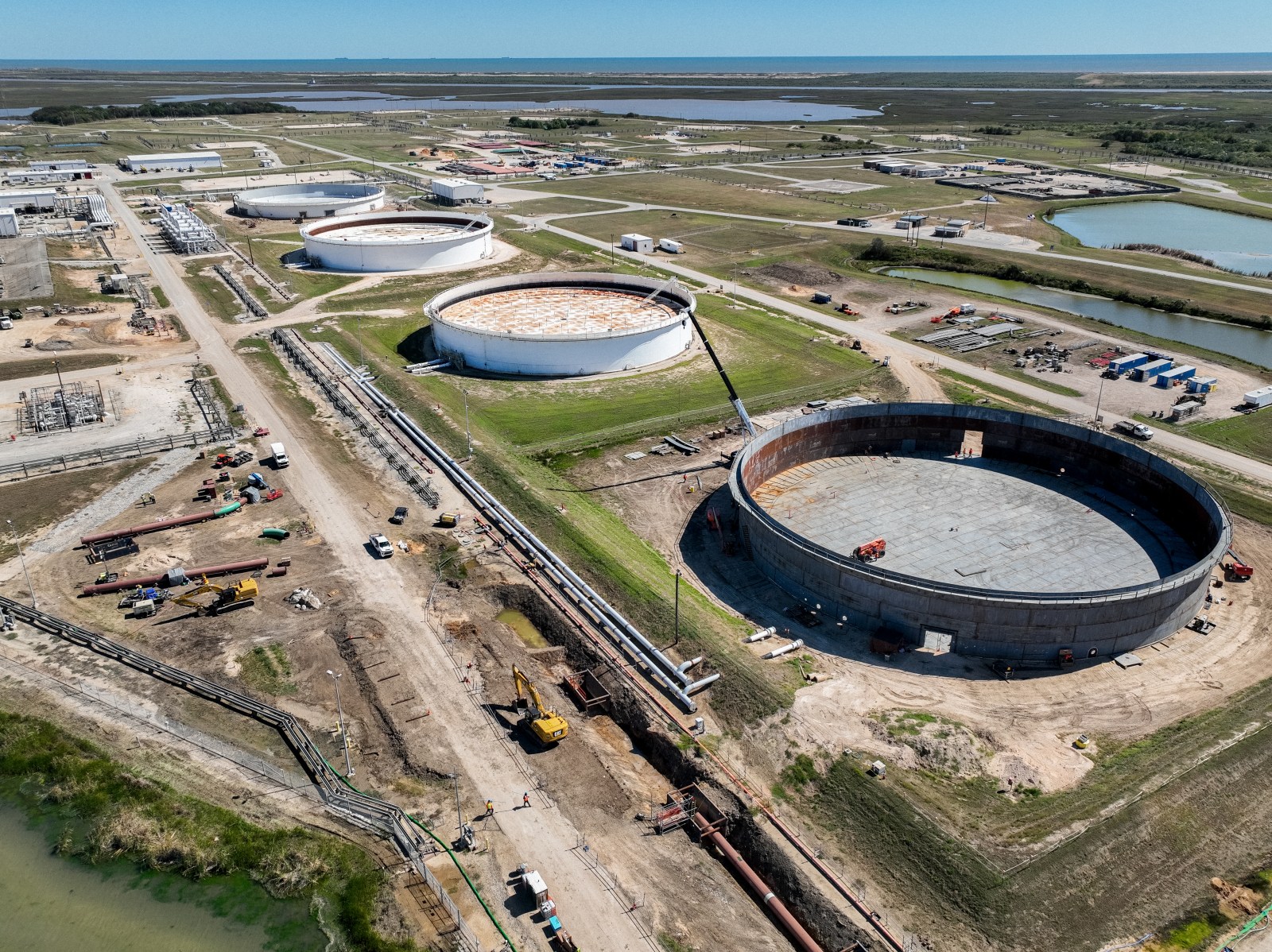
The U.S. Strategic Petroleum Reserve (SPR) has decreased to 340.3 million barrels, its lowest since 1983. According to the Department of Energy’s recent data, supplies are tightening amidst ongoing negotiations between the United States and Iran to resolve their longstanding conflict. The SPR saw an 8.9 million barrel decrease in the past week, part of a larger strategy to release 172 million barrels aimed at mitigating rising fuel prices.
These declines come as the SPR supplies are drawn down to counteract disruptions from the conflict with Iran, amid heightened refining demand and boosted exports. Storage levels, especially at the Cushing, Oklahoma hub, are approaching operational lows, raising concerns about the state of overall supply.
Washington’s statements indicate that companies borrowing from the SPR will replenish these volumes with a premium, a move that aims to stabilize markets without imposing long-term costs on taxpayers.
Will Gas Prices Drop?
Gas prices have started to decline following the anticipated U.S.-Iran agreement, with potential oil flows through the Strait of Hormuz contributing to this trend. As of Monday, the national average for regular gasoline stood at approximately $4.06 per gallon, down from peaks above $4.50 in May. Analysts stress that a consistent price drop hinges on how fast global supply recovers.
Status of the U.S.-Iran Agreement
The United States and Iran have reached a preliminary understanding to resolve their nearly four-month conflict. Still, the formal signing of the deal is pending, with expectations set for Friday in Switzerland. Although the memorandum represents a de-escalation milestone, issues like enforcement, sanctions, and nuclear discussions remain pending.
Current Status of the Strait of Hormuz
The Strait of Hormuz, a significant route for global oil deliveries, is not yet fully operational. Although plans for its reopening are underway with the pending agreement, complete implementation may require time. Current shipping activities are limited, and the industry anticipates that tasks like mine clearing and rebuilding trust among insurers and tanker operators could take weeks.
Understanding the Strategic Petroleum Reserve
The SPR was established in 1975 under President Gerald Ford as a response to the energy disruptions caused by the 1973 Oil Crisis. Located in Texas and Louisiana, the reserve serves as an emergency response tool, often used to alleviate market shortages and price hikes during substantial oil supply disruptions.
Historical releases from the SPR include operations during Desert Storm in 1991, post-Hurricane Katrina in 2005, and to address supply issues caused by the Libyan civil war. The significant release during Russia’s Ukraine invasion in 2022 was the largest in the reserve’s history, sparking political debate about its strategic use.
Reasons for the Depleting Emergency Stockpile
Since the onset of the Iran conflict, the U.S. has leaned heavily on its SPR. This forms part of a global strategy to lower energy prices, involving multiple countries committed to releasing 400 million barrels in total. Despite an aggressive release strategy, crude amounts in the SPR have been depleting for years.
Experts highlight that the coordinated release with other nations has helped restrain crude prices from reaching extremely high levels. However, there are warnings that as reserves fall below 300 million barrels, further complications, including storage integrity issues, may arise.