
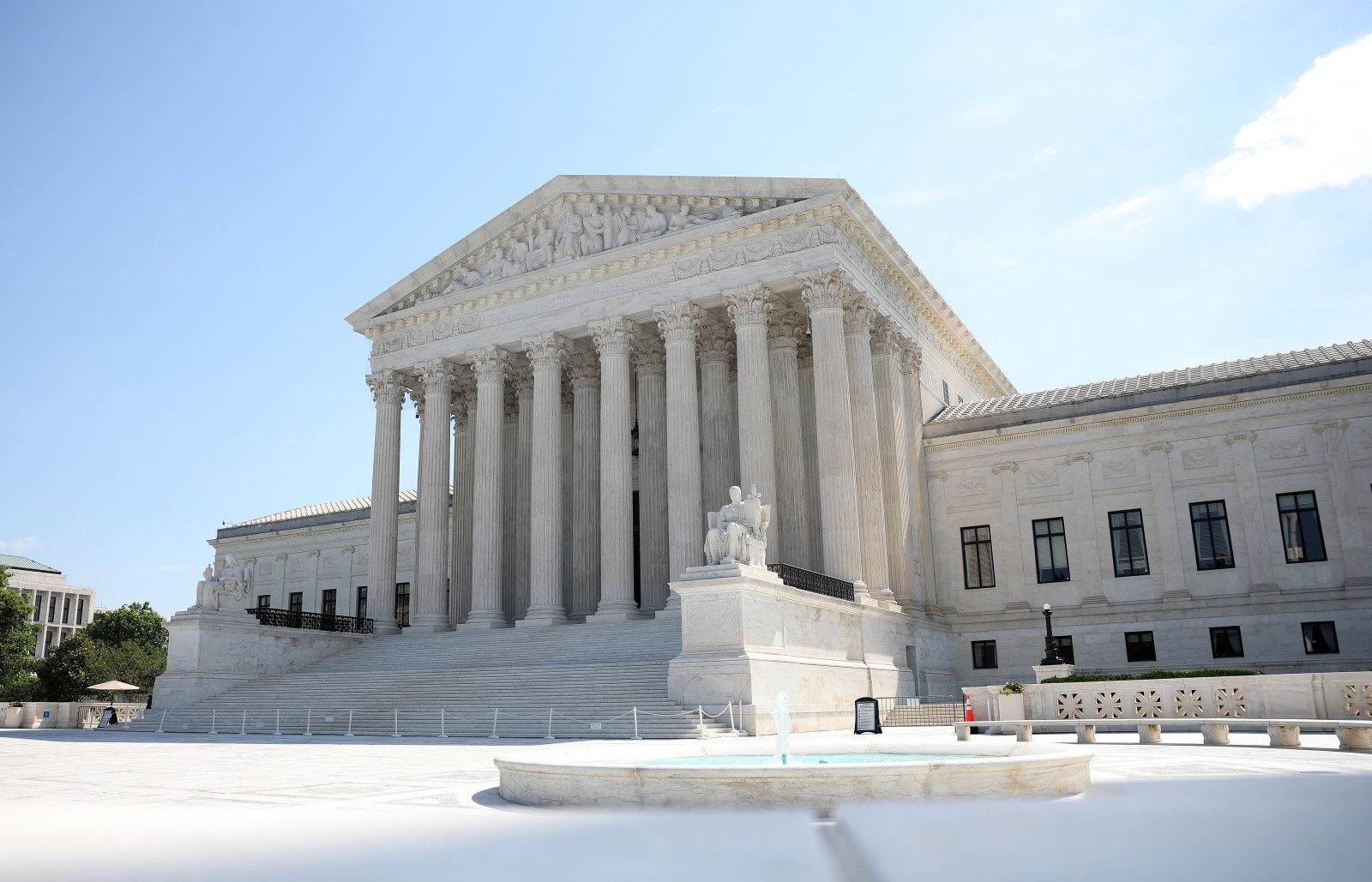
On Friday, the White House announced a significant decision by President Trump to cut $810 million in congressionally approved spending. The reductions impact programs related to minority groups, immigrants, and research initiatives. This action employs a controversial legal method known as a pocket rescission.
Previously, President Trump used a similar approach to block $4 billion, including $3.2 billion intended for the U.S. Agency for International Development (USAID). This case reached the Supreme Court, which did not decide on its legal merits but lifted an injunction that would have forced the spending as Congress intended.
The Trump administration’s strategy underscores its intent to reduce what it considers unnecessary spending. This approach could challenge the traditional spending power held by Congress. If accepted, it could shift significant authority over government finances to the presidency.
Following the announcement, Newsweek reached out to the White House for comments.
Explanation of Pocket Rescission
The White House described the pocket rescission as a “long neglected” presidential power under the 1974 Impoundment Control Act. This measure aims to cut spending perceived as wasteful or harmful. The targeted funds included support for nongovernmental organizations aiding migrants and hosting foreign scholars.
Under the Impoundment Control Act, the president can temporarily withhold spending approved by Congress while proposing Congress reassess its allocation. Congress holds a 45-day period to respond. However, with the fiscal year ending on September 30, the House will not reconvene until after the November midterm elections. This timing makes it unlikely for Congress to act, effectively enabling the spending to remain blocked as a pocket rescission.
This method is controversial as it sidesteps legislative approval in financial matters, a power traditionally vested in Congress as per Article One of the Constitution.
Previous Supreme Court Case
In 2025, Trump’s administration used a similar tactic to withhold $4 billion from USAID and the State Department. The move came close to the fiscal year’s end, limiting Congress’s time to object. Critics, including Senator Susan Collins, labeled the action “unlawful.” The case saw legal challenges from affected groups.
Initially, the U.S. District Court for the District of Columbia issued an injunction to release the funds as Congress intended. However, the Supreme Court stayed this injunction with a 6-3 ruling. The Court noted that the Impoundment Control Act barred complainants from the case and suggested that the executive’s foreign affairs interests outweighed potential damages. Nevertheless, this ruling was not considered a final judgment on the legality of the tactic.
Justice Kagan penned a dissenting opinion, supported by Justices Sotomayor and Jackson. She argued that the president’s action usurped Congress’s financial authority. Kagan contended that the administration had not shown it would suffer irreparable harm if the injunction stayed, nor made a compelling case for eventual legal success.
Reactions to the Pocket Rescission
Senate Minority Leader Chuck Schumer criticized the recent $810 million rescission, claiming it illegally strips almost $1 billion vital for children, students, small businesses, and research on health and the environment.
Senator Collins emphasized that the funds had been withheld deliberately, labeling the rescission illegal and a power grab of Congress’s appropriations duties.