
The Trump administration has aimed to transform the California coast by introducing projects such as desalination facilities, floating nuclear reactors, increased rocket launches, and expanded offshore oil drilling. A key obstacle is the Coastal Zone Management Act (CZMA), which allows coastal states like California to evaluate and potentially block federal projects conflicting with state policies.
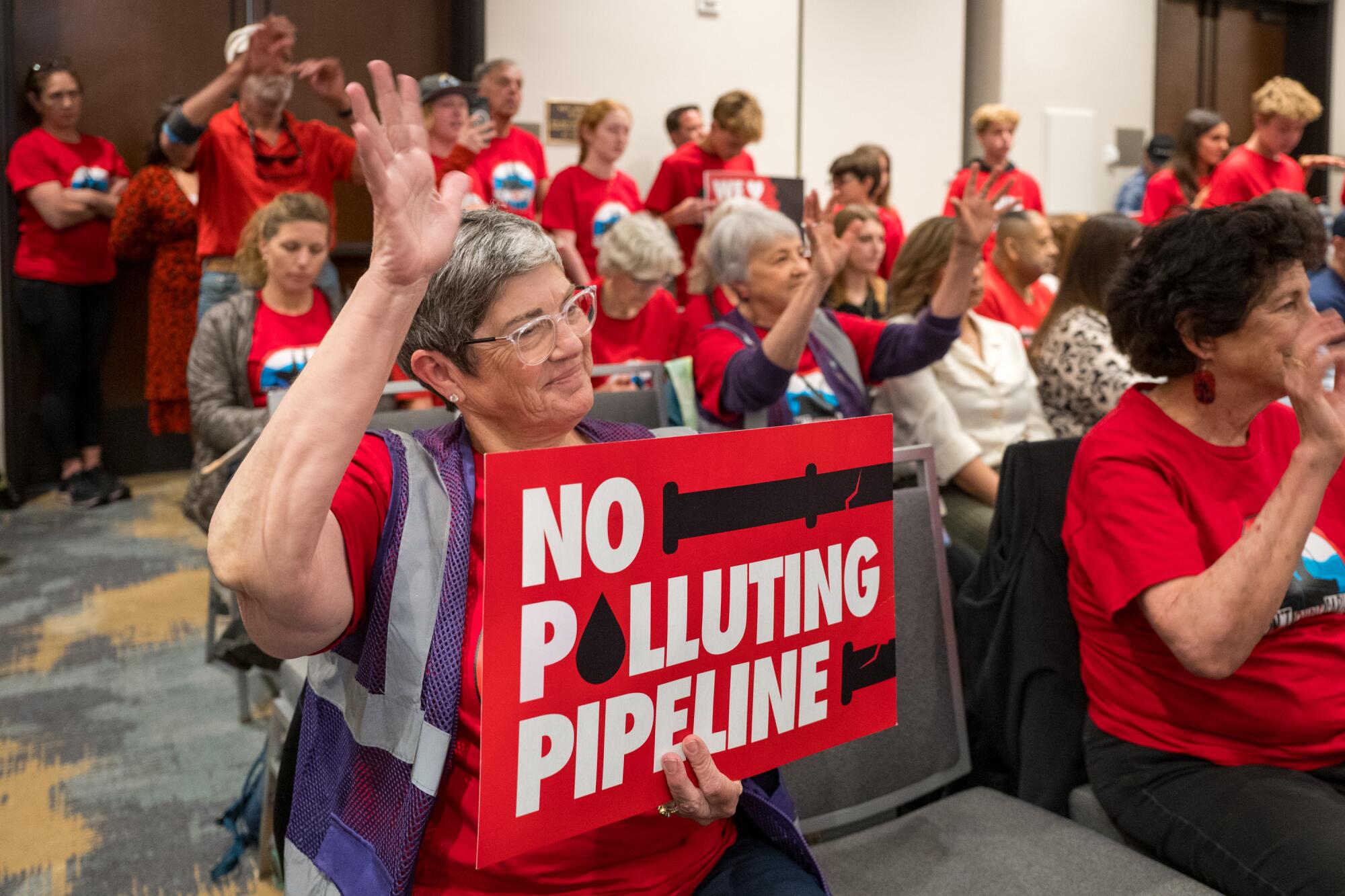
Federal authorities now attempt to undermine California’s authority under the CZMA, labeling state efforts as “environmental extremism.” A public hearing in Santa Monica marks the onset of this challenge, drawing a diverse array of participants, including regulators, elected officials, environmentalists, and community activists.
The National Oceanic and Atmospheric Administration’s Office for Coastal Management is set to oversee the review, occurring amid broader federal moves to dismantle various environmental protections. These include endangered species protections and clean air policies, particularly evident along Santa Barbara’s coast, where an oil company seeks to bypass state oversight for offshore operations.
This administration is essentially looking to silence the voices of states and local governments … there is no parallel to what we are seeing here,
said Meg Caldwell, a former Environmental Law and Policy program director at Stanford. She emphasized the potential dangers of stripping states’ rights and setting a troubling precedent.
The Coastal Zone Management Act, established in 1972 following a significant oil spill in Santa Barbara, enables states to review federal coastal projects. States can create their own management plans, which federal officials must respect once certified. This cooperative system has resolved numerous disputes efficiently without extensive litigation.
However, recent tensions between California’s Coastal Commission and federal authorities have escalated. These include disputes with SpaceX and the frequency of rocket launches. U.S. Commerce Secretary Howard Lutnick criticized California, claiming it obstructs national infrastructure development.
California had already undergone a routine review in 2024, receiving commendations for its coastal management. Critics argue the new review is politically motivated and undermines longstanding precedents. Joel Reynolds of the Natural Resources Defense Council calls the proceeding a “sham,” given California’s historical leadership in coastal management.
Derek Brockbank, of the Coastal States Organization, warns that reopening the review defies standard procedures and could affect many states if precedents are set in this manner. The upcoming review leaves California in uncertain territory, though state officials remain confident in their record.
Kate Huckelbridge of the Coastal Commission emphasizes readiness to defend their actions over the past decades. Despite the challenges, the state maintains its commitment to environmental scrutiny. Opponents of the Trump administration’s policies, including real estate broker Grant Bixby, stress California’s coastal allure as integral to its brand and economy.
A Public Policy Institute of California poll indicates strong public support for the Coastal Commission. Susan Jordan, an environmental advocate, notes a broad movement uniting Californians in defense of their coastline. Governor Gavin Newsom encourages public opposition to federal efforts to undermine state authority.
California’s leadership remains resolved to protect its coastlines, urging citizens to express their discontent through formal channels. The evolving situation underscores a critical clash between federal intentions and state sovereignty concerning environmental management.