
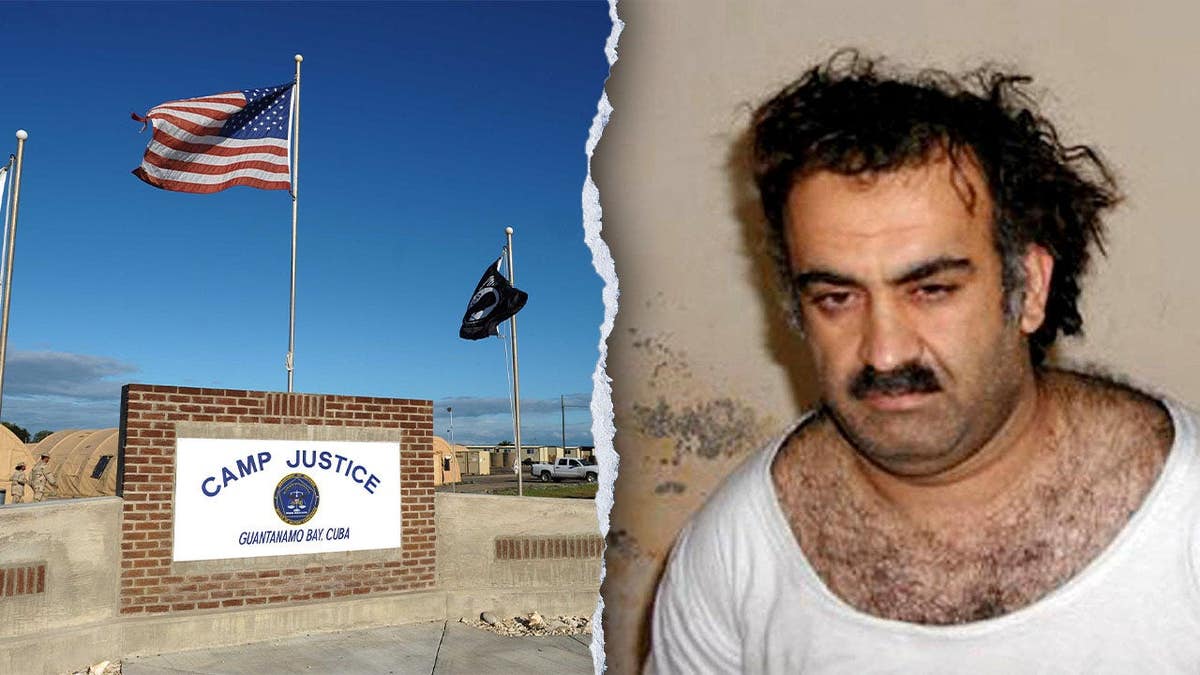
The accused planner of the September 11 terror attacks, Khalid Sheikh Mohammed, alongside three alleged accomplices, is slated for trial in 2028. This development follows years of delays, as remarked by some experts who describe the ongoing proceedings as a “Frankenstein’s zombie court.” A military judge has set June 5, 2028, as the trial date, further outlining deadlines for the case’s progression. Mohammed and his co-conspirators are held at Guantánamo Bay, Cuba, a situation that has continually frustrated relatives of those lost in the attacks.
Michael Lebowitz, a former prosecutor for Guantánamo military commissions, points out that the issue lies not with the evidence against the suspects, but within the judicial system itself. Lebowitz notes Guantánamo Bay’s role as an adequate yet costly facility for detaining both war criminals and suspects, expressing concerns about the logistics involving frequent travel to Washington, D.C. for court proceedings.
The case against Mohammed, Walid bin Attash, Mustafa al-Hawsawi, and Ammar al-Baluchi has been continually postponed due to numerous legal challenges and failed plea negotiations. The 2028 timetable marks a significant point for a case stalled for years in pretrial phases as the military commission ironed out evidence disputes and legal hurdles.
Mohammed, a Pakistani national, is alleged to be the orchestrator behind the plots where hijacked airliners struck the World Trade Center and Pentagon, with a fourth hijacked flight crashing in Pennsylvania following a passenger counteroffensive. Because over ten judges have handled this case, lawyers repeatedly address the same procedural issues.
Lebowitz, a veteran of the Army who has participated in several Guantanamo cases, including the notable USS Cole bombing, observes systemic inadequacies where defense lawyers exploit the system, prolonging the proceedings unnecessarily. A key focus for the prosecution involves deciding whether to pursue the death penalty—a measure that faces substantial obstacles even if applied.
Despite the accused parties approaching their court date, victim families also call for accountability from Saudi Arabia. Terry Strada, heading 9/11 Families United, argues for holding the Kingdom responsible, given its agents’ reported support of al-Qaeda upon entering the U.S. In a 2024 proposal, Mohammed, bin Attash, and al-Hawsawi offered to acknowledge their roles in exchange for life sentences, sparking mixed reactions among the affected families. Following criticism, the Biden administration rescinded the plea agreement, leading to further litigation.