
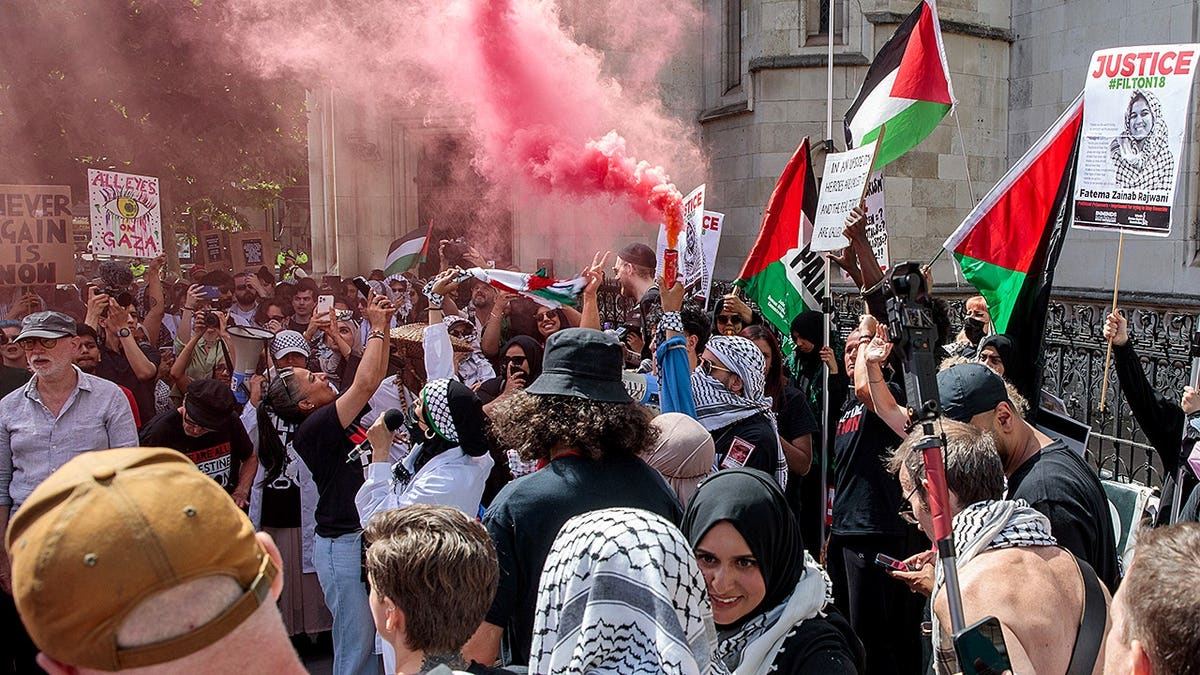
The U.S. Treasury Department has issued sanctions against three international networks deemed far-left and politically violent, as part of efforts to combat such activities. The Office of Foreign Assets Control spearheaded action against Autistici Inventati from Italy, the U.K.-based group Palestine Action, and Spain’s Masar Badil. These entities are linked to the Samidoun Palestinian Prisoner Solidarity Network, which was already on the U.S. sanctions list.
Treasury Secretary Scott Bessent emphasized the intention to eliminate financial resources for these groups, stating, “Political terrorism has no place in our society.”
Far-left extremists, their fronts, and their enablers should be on notice: We will bring the full weight of our economic tools to bear.
Palestine Action, previously sanctioned by the U.K., is known for campaigns against defense companies. Examples include breaking into facilities and causing significant damage. The group has faced over $1.3 million in damage claims from targeted actions.
Sanctions and Wider Efforts
These sanctions prevent access to property in the U.S. and freeze bank accounts of the groups, while barring American citizens from financial transactions with them. The Treasury Department’s recent actions align with broader campaigns to manage far-left organizations. Recent reports unveiled that networks like Autistici Inventati provide services to destabilizing elements in the U.S.
The report also linked these services to groups like Rose City Antifa, involved in protests and property damage in cities like Portland, Oregon.
International Reactions and Criticism
Punitive measures on Masar Badil, a front for Samidoun, were acknowledged earlier. This group is considered a global fundraiser for the Popular Front for the Liberation of Palestine, designated a Foreign Terrorist Organization in 1997 for historic terrorist activities.
Despite being under scrutiny, some figures, including Palestine Action co-founder Huda Ammori, voiced opposition to the sanctions. They argue these actions suppress activism and are hypocritical given past U.S. actions in regions like the Middle East.
Risk from Nonprofits
Lara Burns from the George Washington University’s Program on Extremism explained how nonprofit fronts dangerously legitimize violence under the guise of resistance. She stressed the need for government intervention when such nonprofits promote terror agendas.