
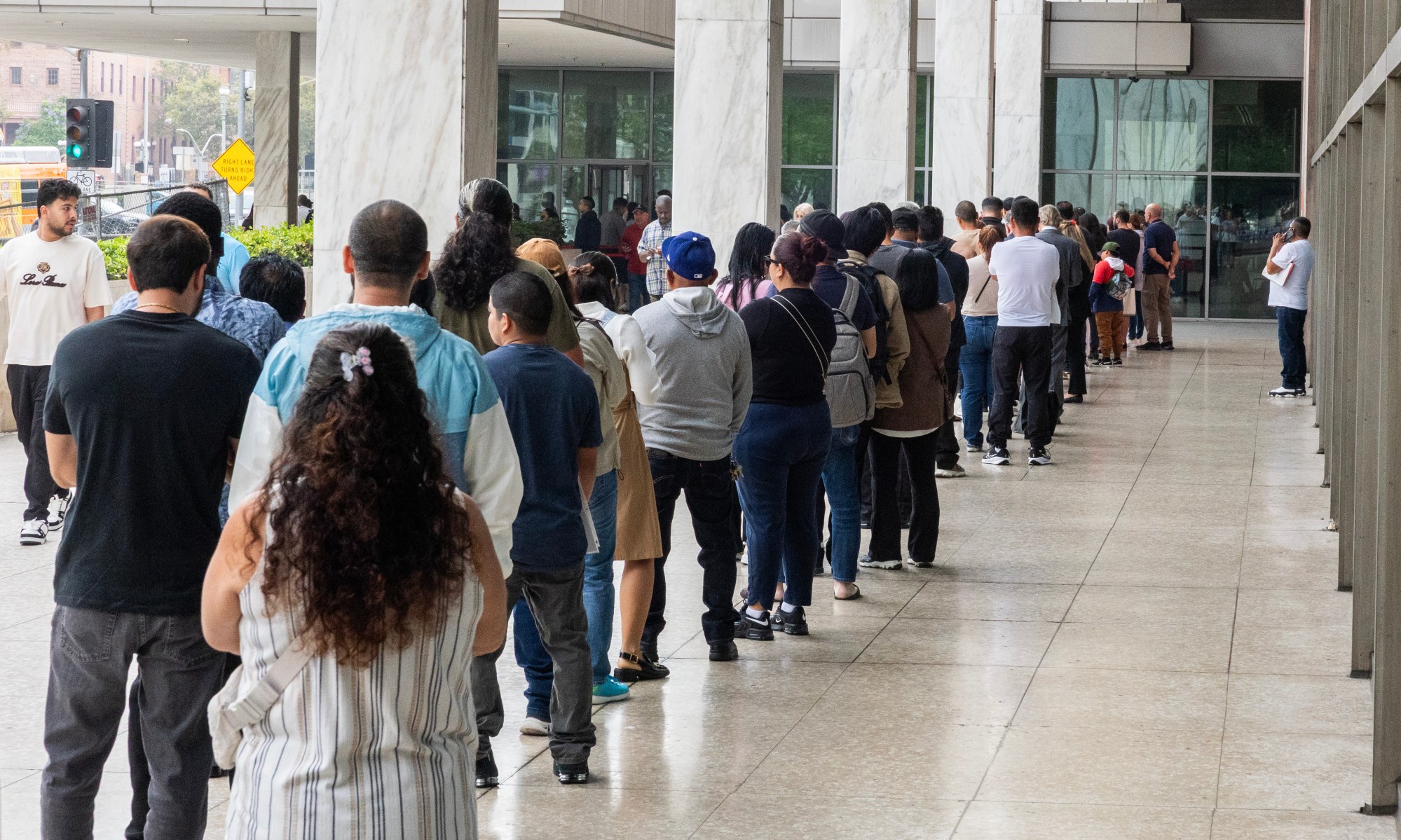
On June 24, 2026, in Los Angeles, many people lined up outside the Los Angeles Immigration Court, reflecting the challenges of handling immigration cases swiftly. The Department of Homeland Security has introduced methods to expedite processes, resulting in many immigrants receiving hearings simultaneously.
The Administration’s Success in Reducing Backlogs
The current administration is the first in over ten years to lower the immigration court backlog. This priority was emphasized by a Justice Department official who noted the ongoing efforts to manage the backlog.
From fiscal 2013 to 2024, the backlog consistently increased, peaking at 3,716,106 cases. The trend reversed in fiscal 2025, with the backlog decreasing to 3,416,921 cases. As of now, the number stands at 3,195,137 cases. Despite this, the system faces significant pressure, and new methods are constantly explored to alleviate it.
Mega Master Calendar Hearings
To address the issue, in May 2026, the number of participants in master calendar hearings increased from 20 to 30, reaching up to 150. These sessions, known as “mega master calendar hearings,” have seen a rise in in absentia removal orders from 35,000 in May to 54,000 in June.
Master calendar hearings do not resolve deportability or asylum but focus on pleadings and scheduling. Notices are sent to the address provided by the alien, and failure to appear results in a removal order if written notice had been delivered properly.
Challenges in Removal Proceedings
Immigration advocates argue that these hearings rush the removal process. However, aliens not updating their address with the court risk missing out on a merits hearing, leading to in absentia proceedings.
A removal order issued without the alien may be challenged within 180 days; if based on non-receipt of notice or incarceration, it can be filed anytime. Challenges are possible through motions to reopen or federal appeals.
Key Litigation Issues
- Hearing Notice: A notice sent to the last reported address is assumed delivered, but an alien can provide evidence of non-delivery and argue exceptional circumstances.
- Right to Counsel: There’s only one timing requirement to protect this right, but judges can grant continuances for valid reasons. Denials leading to a removal order can be contested.
- In Absentia Order: These require that notice and removability meet strict evidence standards; challenges can be pursued through reopening motions or appeals.
To decrease litigation, it’s crucial that judges conduct fair and proper in absentia proceedings. Mega master calendar hearings must produce valid orders to effectively reduce the backlog.
Written by Nolan Rappaport, formerly with the House Judiciary Committee and Board of Immigration Appeals.