
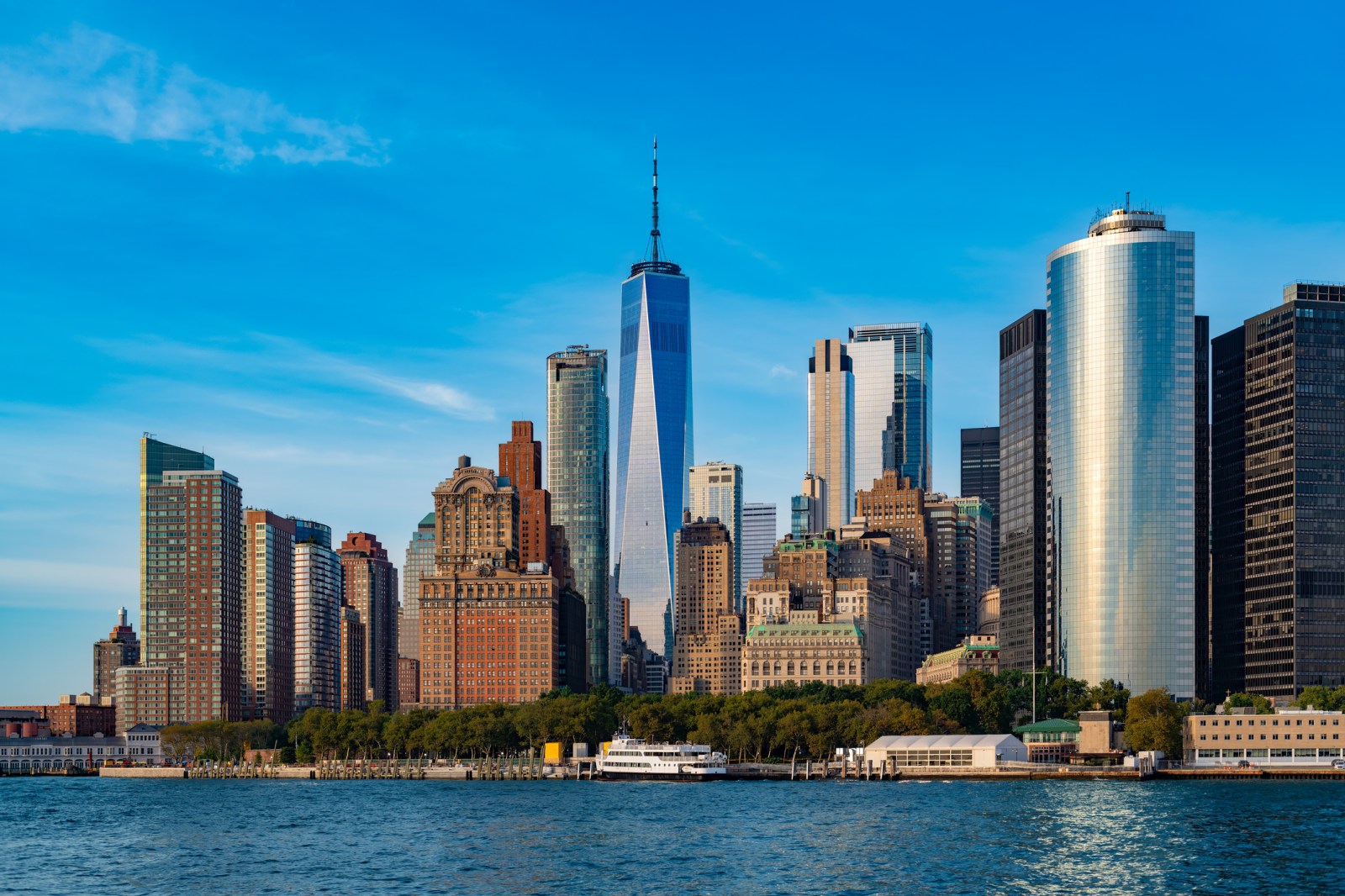
“Wow, this is getting real now,” my partner said as we stepped onto the busy streets of Lower Manhattan from the Fulton Street subway station. The city felt like a movie set, familiar from many films. Yet, as a longtime resident of New York City, it felt like coming home. I grew up here, across three boroughs, attending Stuyvesant High School near the World Trade Center.
Everyone remembers where they were on September 11, 2001. On that morning, I attended a philosophy lecture at Binghamton University. Our professor dismissed us before class started, and I frantically tried to contact my family. Stuyvesant High School, near the World Trade Center, became a triage center after the attacks, and students had to attend class elsewhere.
Returning to Stuyvesant weeks before the 9/11 anniversary stirred memories. Those familiar halls once hosted medical teams instead of students. Despite the sorrow, the area remained beautiful, with places like the New Amsterdam Library and local schools still intact. The McDonald’s on Chambers Street and Century 21 stood as reminders of the past.
The Financial District has changed since my high school days. Previously a place for office workers and a ghost town by night, it transformed after 9/11. Companies left due to toxic air, and for years the area felt desolate. Dana Tamuccio, a Lower Manhattan historian, noted that residential development helped the district recover. Office-to-residential conversions, including those on Broad Street and Water Street, played a significant role.
Luxury towers like The Greenwich now dot the landscape. Manhattan’s Community District 1 saw rapid population growth, increasing by 28.6% since 2010. Today, about 70,000 people call it home. The Financial District is now a thriving community, bustling with residents and businesses.
As artist Tom Christopher observed, the area has been reborn as a neighborhood. With shops, restaurants, and residences, it offers more than just Wall Street. Last month, I explored eateries like Blank Street coffee and Leon’s Bagels, observing the vibrant, diverse atmosphere.
Noteworthy venues like Koba, a Korean restaurant, offer international cuisine with authentic touches like classic Korean music. Nearby, a peaceful public space creates an oasis amid the city bustle. These changes mean residents no longer need to leave the area for amenities.
More visitors now explore Lower Manhattan. The area, synonymous with resilience, attracts people to sites once overlooked, like the Charging Bull statue. In 2025, it welcomed 8.1 million tourists, marking a sharp rise from previous years. New hotels like W New York Downtown and Four Seasons Hotel New York Downtown accommodate these travelers.
For Tamuccio, Lower Manhattan embodies New York’s resilience and commitment to remembering the past while building a vibrant future. Christopher highlights how the city, despite unimaginable loss, forged a renewed community.
Revisiting this part of New York rekindled fond memories, reminding me of the city’s enduring spirit. The Big Apple, like an old friend, offers comfort and familiarity, assuring you it’s always there, unchanged by time or trials.