
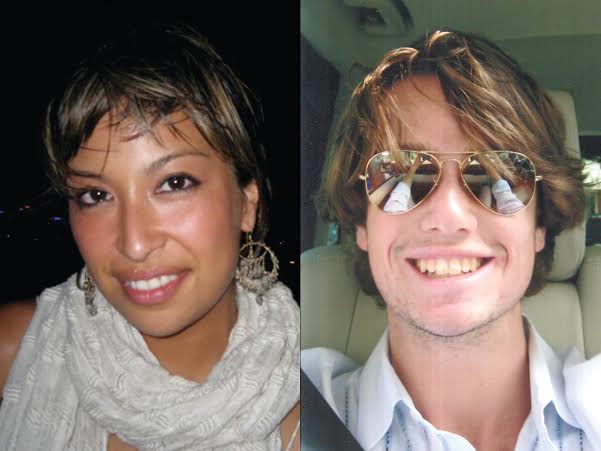
In the vibrant summer of Miami, Sylvie Cachay was flourishing. Her swimwear line, Syla, was catching the attention of top designers nationwide. Publicist Lesa McHale recalled Sylvie’s designs as a standout in the industry, attracting media coverage from regarded publications like InStyle, Vogue, and Elle. Her bikinis featured in Sports Illustrated’s swimsuit videos. McHale described the moment as a PR dream, a fusion of Sylvie’s compelling products and her style-setter persona.
Ben Baker, her photographer, and one-time fiancé, saw Sylvie as someone who captured attention when she entered a room. Sylvie thrived; her designs showcased in prestigious stores like Barneys, a rare feat for a new line. Her privilege-from her upbringing in suburban Virginia, with parents who emigrated from Peru-shaped her work ethic. Her father was a surgeon, and her mother an artist.
Despite her background, Sylvie was well-prepared to tackle New York City, where she secured a position at Tommy Hilfiger within a week of moving. Her brother, Patrick Cachey, admired her ability to launch her fashion line at 29, a dream often unattainable for many.
Sylvie frequented the trendy Soho House, enjoying perks like a private club membership crucial for her fashion career. Praised for her style, she believed in her limitless potential.
However, Sylvie faced challenges. The 2008 financial crisis hit her hard, forcing her to close her line as backers withdrew. It marked the dissolution of her business and engagement to Ben Baker, leaving her disoriented and struggling. She assumed the role of lead designer at Anne Cole swimwear but wasn’t fulfilled. Hoping to revive her line, she met Nicholas Brooks, a man almost a decade younger with a trust fund. Their first date ended tragically with Sylvie’s beloved toy poodle, Pepper, run over.
Sylvie Cachay: A friend to animals
Nick comforted Sylvie, appearing as a caring figure during her distress. But this bond didn’t have a fairy tale ending. In December 2010, Sylvie’s life ended in a New York City hotel room under mysterious circumstances.
Sylvie’s mother in Virginia was devastated when she learned of her daughter’s death. Detectives found Sylvie in a bathtub, overdressed, with suspicious bruising. It hinted at foul play.
Sylvie checked into the Soho House with Nicholas Brooks, her boyfriend, but he was missing when police investigated her death. Security footage later showed him returning early morning after Sylvie’s body was found.
Brian Alvarez, the hotel’s night manager, recalled Nick’s seemingly indifferent reaction to the news of Sylvie’s demise. His demeanor appeared inebriated and unconcerned.
Police questioned Nick at the precinct. Once alert, he provided a statement detailing his evening with Sylvie. Candles set fire to her apartment bed as Sylvie slept, necessitating their relocation to the hotel, accompanied by disturbing claims of her being too medicated.
Surveillance captured Nick’s unusual behavior at the hotel, including him pacing and biting his nails. He befriended a musician and went to a bar, allegedly consuming drugs while Sylvie’s room leaked water, ultimately alerting staff.
Nick was arrested and seemingly confessed, allegedly saying, “How much time will I get for this?” His sister Amanda defended him, suggesting potential wrongful accusations influenced by notoriety due to their father, composer Joseph Brooks.
Joseph Brooks’ life was marred by scandal, culminating in his suicide before trial for sexual offenses, leaving Nick’s arrest shadowed by family notoriety.
Amanda presented an alternative narrative: Sylvie’s intoxication led to accidental drowning. Defense argued prescription drugs impaired her; however, prosecution countered, highlighting circumstantial evidence and timelines pointing to murder over misadventure.
Sylvie’s acquaintances described her turbulent relationship with Nick, marred by control issues and concerns over financial exploitation. Emails revealed impending breakups yet resulted in reconciliation.
Prosecutors argued Nick’s dependency on Sylvie, combined with evidence of stolen money, could be motives for murder. Close friends recounted Sylvie’s distress over Nick’s behavior, including infidelity involving escort services.
The jury deliberated, convicting Nicholas Brooks of second-degree murder, resulting in a sentence of 25 years-to-life. Amanda and supporters expressed disbelief, maintaining Nick’s innocence and victimization by circumstance and family past.
Sylvie’s tragic death and misjudgments became emblematic of domestic violence issues. New initiatives aim to prevent such tragedies, preserving Sylvie’s compassionate legacy.