
Investigating authenticity in 2026 music trends
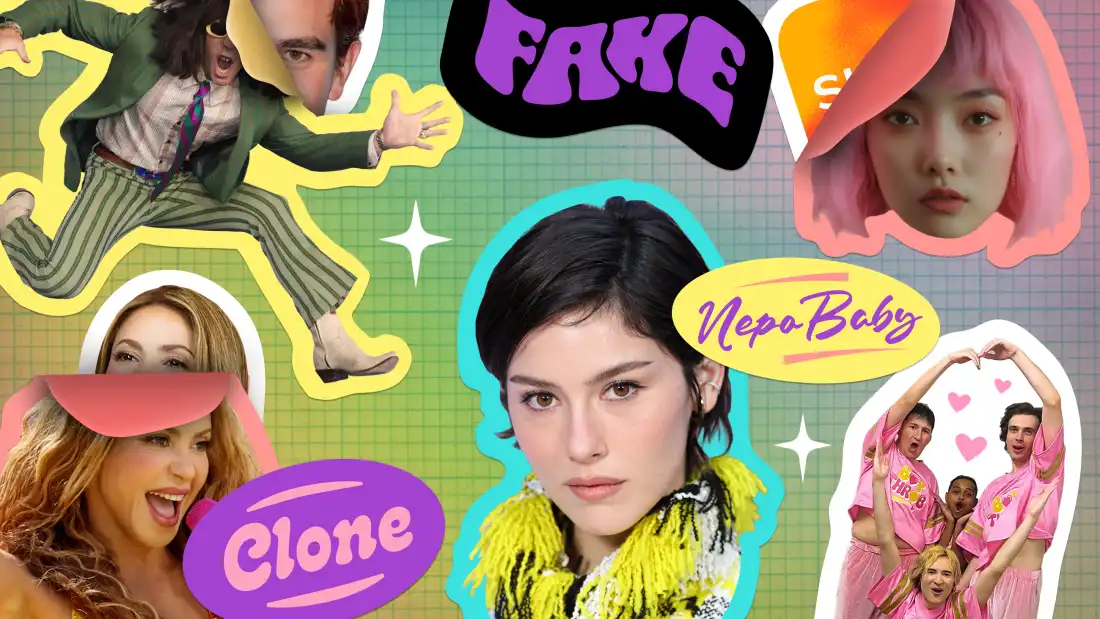
2026 has brought notable controversies in the music scene, questioning the authenticity of trends and artists. Notable names include Shakira, Mr. Fantasy, Gracie Abrams, and AI artist Tata Taktumi. Meanwhile, Boy Throb and others have sparked debate over what’s inauthentic in today’s music industry.
“In 2026, there’s not a single part of the system that isn’t faked,” claims James Blake.
James Blake’s Instagram comments raise concerns about manipulated reviews, streaming numbers, and the rigged nature of the industry. Reports suggest a growing tension between AI advancements, social media algorithms, and industry commercialization.
The Debate Around Generative AI and Music
Some believe that online spaces, including music, are transforming into robot-controlled environments. Gen Z’s preference for live music reflects a resistance to this trend, yet AI usage in streaming remains high. Despite AI content flooding streaming services, streaming safeguards have improved, influencing 2026’s events.
- Social media campaigns use fake accounts, sparking mistrust
- Indie musicians unexpectedly benefiting from viral marketing strategies
The “Geese is a Psyop” Controversy
Chaotic Good Projects, a digital marketing agency, faced scrutiny for manufacturing hype around artists. It was revealed that they created fake fan pages, leading to discussions about authenticity and virality in the music industry.
Cameron Winter from the band Geese expressed disbelief over the sudden viral status of his band. The controversy continues to sow distrust around seemingly overnight success stories.
Ticketmaster and Scalping Prevention
Harry Styles’ residency raised eyebrows after scalped tickets were canceled by Ticketmaster, which opened discussions on pricing, queue management, and resale restrictions.
Ticketmaster’s action comes amid antitrust trials and debates over concert ticket management.
- Jack Antonoff criticizes Ticketmaster’s statement in sarcastic remarks
Increasing Complexities In Artist Identities
KJ Apa and Mr. Fantasy’s feud raised questions around artist identities. Social media connections and likenesses sparked debates on whether Mr. Fantasy is a disguised persona of KJ Apa.
Deepfake technology became a point of interest in the Rolling Stones’ youthful presentation in their music video, raising concerns about identity credibility.
Manipulated Streaming: Malcolm Todd and AI’s Impact
Malcolm Todd’s song “Earrings” skyrocketed to the Billboard Hot 100 chart with suspicions of stream manipulation. Spotify deleted manipulated streams to ensure genuine numbers and non-biased royalties.
Deezer’s Encounter with AI Uploads
Deezer found that over 50% of uploads in June were AI-generated, highlighting the prevalence of non-human creations. Yet, human listeners accounted for less than 3% of fraudulent streams.
Gracie Abrams and Nepotism
Gracie Abrams faces claims of nepotism due to her prominent family connections. As the term “nepo baby” gains traction, Abrams acknowledges privileges that have supported her musical journey and album success.
Influencers and Unseen Sponsorships
Music influencers emerge as a new wave of discovery amid declining traditional media. Unveiled paid sponsorships behind influencer recommendations bring ethical concerns and suspicions.
Clone Allegations: Shakira and Usher
Shakira’s World Cup performance sparked conspiracy theories about potential use of body doubles. Usher faced similar claims, refuting those through sarcasm about cloning technologies.
Spotify began verifying AI personas, offering clarity on human versus AI-generated artist profiles.
Visa Success in Boy Throb and Comedic Stunts
Boy Throb’s TikTok success, particularly regarding immigration journey narratives, culminated in allowing member Darshan Magdum to join the U.S. with a visa approval.
- The band’s unconventional persona poses questions about authenticity
Legal Challenges Against AI Music Models
Jason Isbell and fellow artists sued Suno for AI-generated music model activities that exploit their identities. Suno faces legal backlash over appropriations assumed under fair use laws.
The Mystery of Betty Hammerschlag
Psycho Summer draws attention to underground Gen Z artist Betty Hammerschlag, speculated to be a fabricated identity led by German artist Tilman Hornig.
Investigative pieces seek to unravel Hammerschlag’s narrative amidst claims of marketing deceptions.
Plagiarism Accusations Toward Stella Lefty
Stella Lefty’s pop-country releases, notably “Boston,” underwent scrutiny for borrowing elements from known songs. Lefty is critiqued despite receiving due credits for inspirations.
Streaming Fraud Charges Break Ground
North Carolina’s Michael Smith faced streaming fraud charges after using AI-generated songs for substantial royalty gains. The case marks a significant battle against fraudulent streaming.
Phobe Bridgers spurred internet memes following her phone ban at concerts, illustrating a spotlight on technological boundaries in entertainment.
Marsha Blackburn’s AI Video Controversy
Marsha Blackburn’s AI-generated video utilizing Kendrick Lamar footage sparked wide backlash. Her campaign sought to capitalize on AI advancements as comedic stunts.