
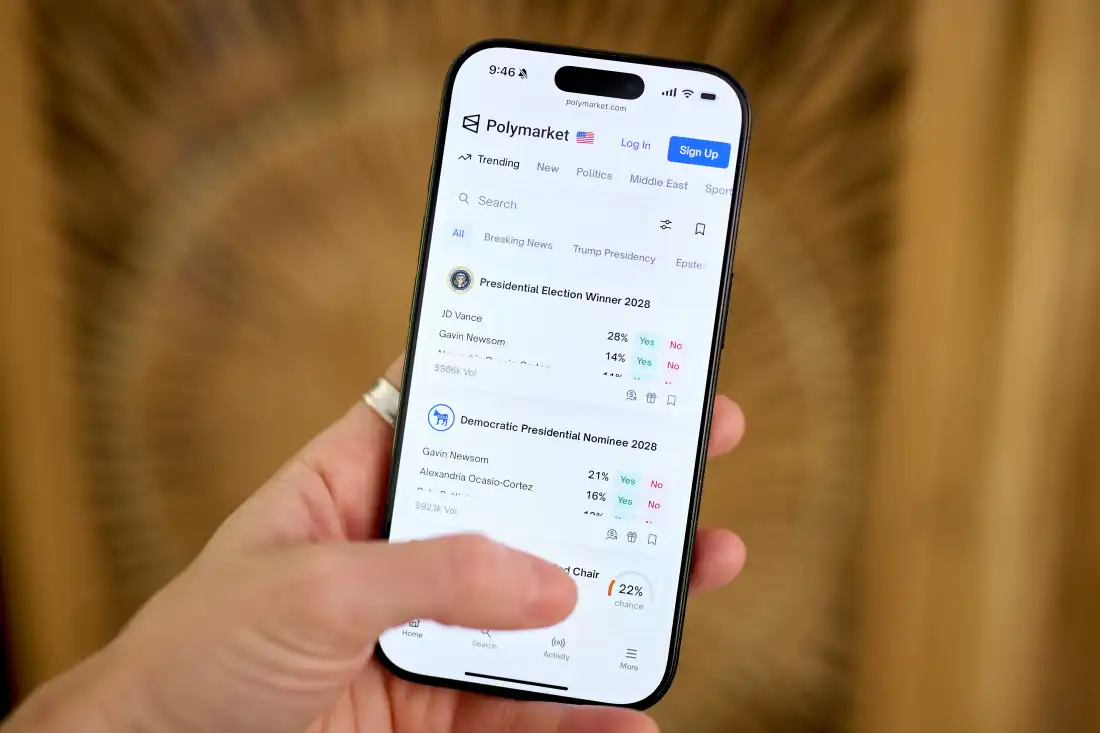
Prediction markets such as Polymarket and Kalshi have gained popularity during Trump’s second term. Polymarket has conducted investigations into numerous bets related to the midterm elections. Two of these investigations have been referred to the U.S. Commodity Futures Trading Commission by an individual involved in the probes.
These investigations focus on insider trading and manipulation within election prediction markets. Polymarket and Kalshi have grown rapidly in popularity but face legal challenges and political opposition. Critics argue that betting on election outcomes threatens the democratic process.
Kalshi has taken action against political candidates betting on themselves, banning and fining offenders. NPR reported that campaign staffers have profited from insider polling data on platforms like Polymarket and PredictIt.
Shana Bautista, head of global intelligence and investigations at Polymarket, leads a team actively monitoring election bets before the November 3 midterms. She emphasized the illegality of trading on protected information and warned potential violators of consequences.
Bautista joined Polymarket in June and oversees data from both the regulated U.S. version and the unregulated Polymarket International, where trading is done anonymously with cryptocurrency. Despite anonymity, Bautista stated that identities can typically be traced through crypto trades.
The surveillance system at Polymarket gathers extensive data from social media, Federal Election Commission sources, cryptocurrency companies, banks, statistical models, and public information. Alerts are generated when users hit a certain number of defined red flags.
Bautista refrained from commenting on specific criteria for detection but noted similarities in insider trading and market manipulation across various markets. Traditional tactics are being applied anew to prediction markets.
In May, Kalshi launched its own election surveillance system using FEC data, blocking campaign staffers from betting. Dozens have been prevented from trading, though some have circumvented these restrictions.
Economics professor Rajiv Sethi from Barnard College at Columbia University highlighted the unique vulnerability of election prediction markets to manipulation and insider trading. He noted the potential for such markets to influence election outcomes.
Bautista’s team at Polymarket is learning from past cases to better detect insider trading and market manipulation. The team analyzes user behavior for evidence of manipulation, integrating findings into their detection processes.
With the rising popularity of prediction markets, the industry faces limited oversight from the federal regulator, the CFTC. Companies largely manage self-policing efforts within these emerging financial markets.