
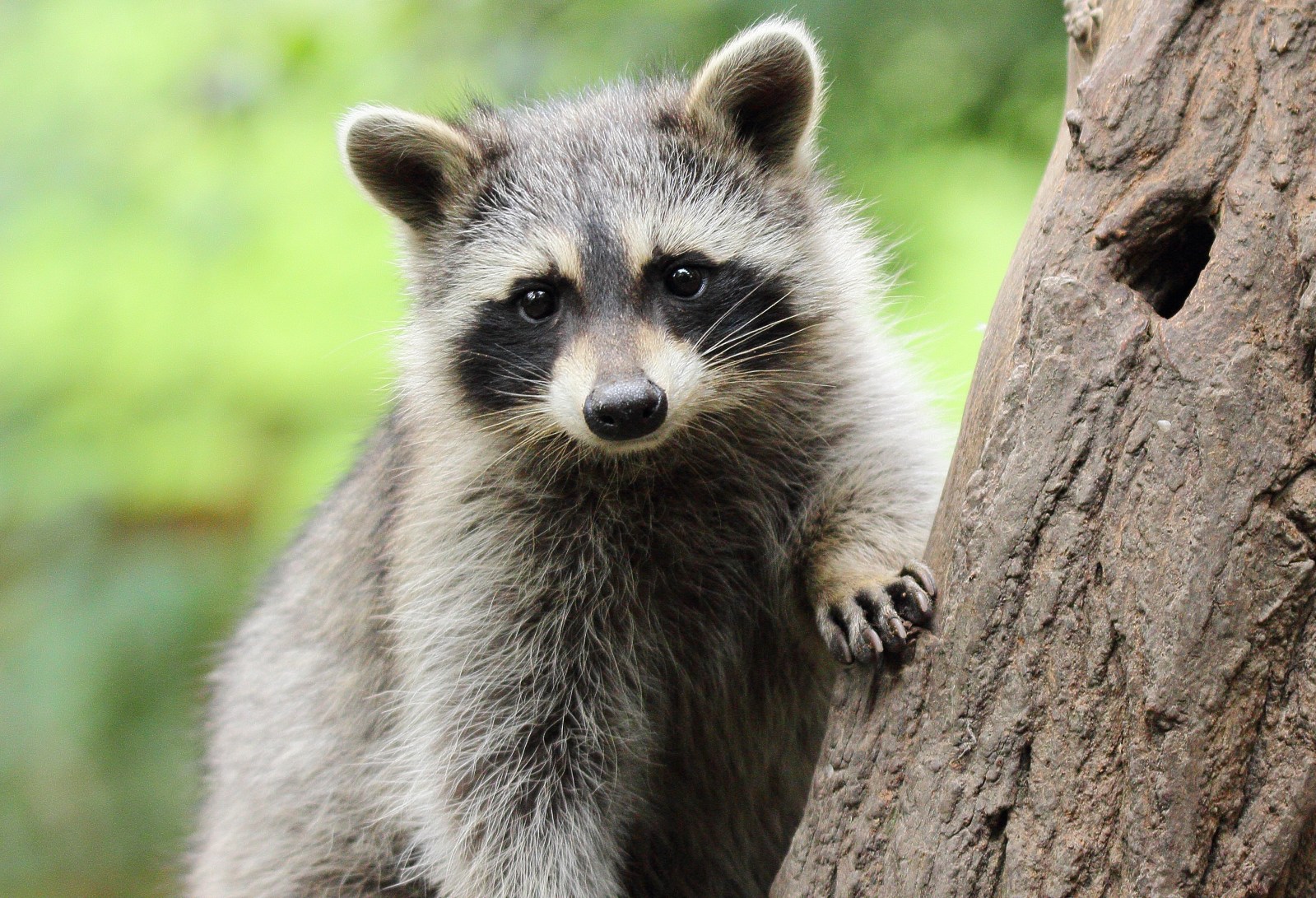
Jimothy the raccoon has captivated the internet, thanks to a video displaying his distinctive shape while moving around Seattle. This unusual body shape results from a rare congenital condition, often seen in dogs, called short spine syndrome (SSS). His viral videos have attracted millions, raising concerns about his health and future.
Jimothy became a sensation after Kiana Hall captured him on video on July 13. The video highlighted his peculiar shape, appearing rounder and smaller than typical raccoons. He also seems to lack a neck, which experts at Cornell University suggest could be due to SSS.
The raccoon’s newfound fame has inspired various merchandise, including apparel and a bobblehead, as well as a video game and artwork. This Sunday, Seattle Councilmember Alexis Mercedes Rinck will honor Jimothy with a city proclamation in Bergen Place Park, celebrating “Jimothy Summer.”
“Jimothy shows us that imperfection is lovable. Being different makes us exceptional,” Rinck told Newsweek. “Jimothy is a real animal in a world of digital illusions. His influence adds to the city’s quirky culture, alongside iconic spots like the Fremont Troll and the Gum Wall.”
Dr. Brian Collins, a Cornell veterinarian, indicates that SSS might not reduce Jimothy’s lifespan. However, he faces challenges such as finding food, shelter, and avoiding predators. In urban settings, raccoons usually scavenge well, but evading predators, particularly dogs and cars, is crucial.
Julian Avery from Penn State University warns of habituation risks for Jimothy due to human interaction. Feeding or altering his diet might reduce his welfare by drawing him into danger.
Understanding Short Spine Syndrome
Collins suspects SSS in Jimothy, although X-rays are needed for confirmation. SSS is a rare genetic disorder affecting dogs, causing changes in vertebrae. This leads to a unique back shape and may impact mobility.
Dr. Catherine Love, Arkansas’s state wildlife veterinarian, notes SSS is extremely rare, with under 30 documented cases in dogs globally. In raccoons, it’s even more uncommon. Such deformities are often fatal shortly after birth. Nonetheless, Jimothy, over three months old and foraging independently, stands a strong chance of survival.
Besides his spine’s deformity, Jimothy has an uneven gait and a curled tail. Both genes and environmental factors likely contribute to SSS. Jimothy’s mother might have experienced something during pregnancy that caused his condition.
While SSS may cause health issues, Jimothy’s lifespan might not be drastically cut short. His concerns include evasion of predators like off-leash dogs and potential issues with other raccoons due to his condition.
“In the wild, predator evasion and mobility will be his biggest hurdles,” Love stated. “He faces difficulties in avoiding predators and cars because he can’t easily turn his head or flex his spine. Internal organ compression may also pose risks as he ages.”
The Mystery of Jimothy’s Age
Jimothy’s exact age is unclear. Some sightings suggest he’s been around Seattle for years, while others claim sightings of him as a baby in 2025. Discrepancies have fueled Jimothy’s status as an urban myth, with reported sightings dating back to 2017.
Raccoon Lifespan Facts
Wild raccoons typically live two to three years. However, captivity can significantly extend their lifespan. Jimothy’s popularity might help him survive longer, providing people admire from afar.
“His fame might help as long as people don’t interact with him, causing potential harm or leading him into traffic,” Collins conveyed to Newsweek.