
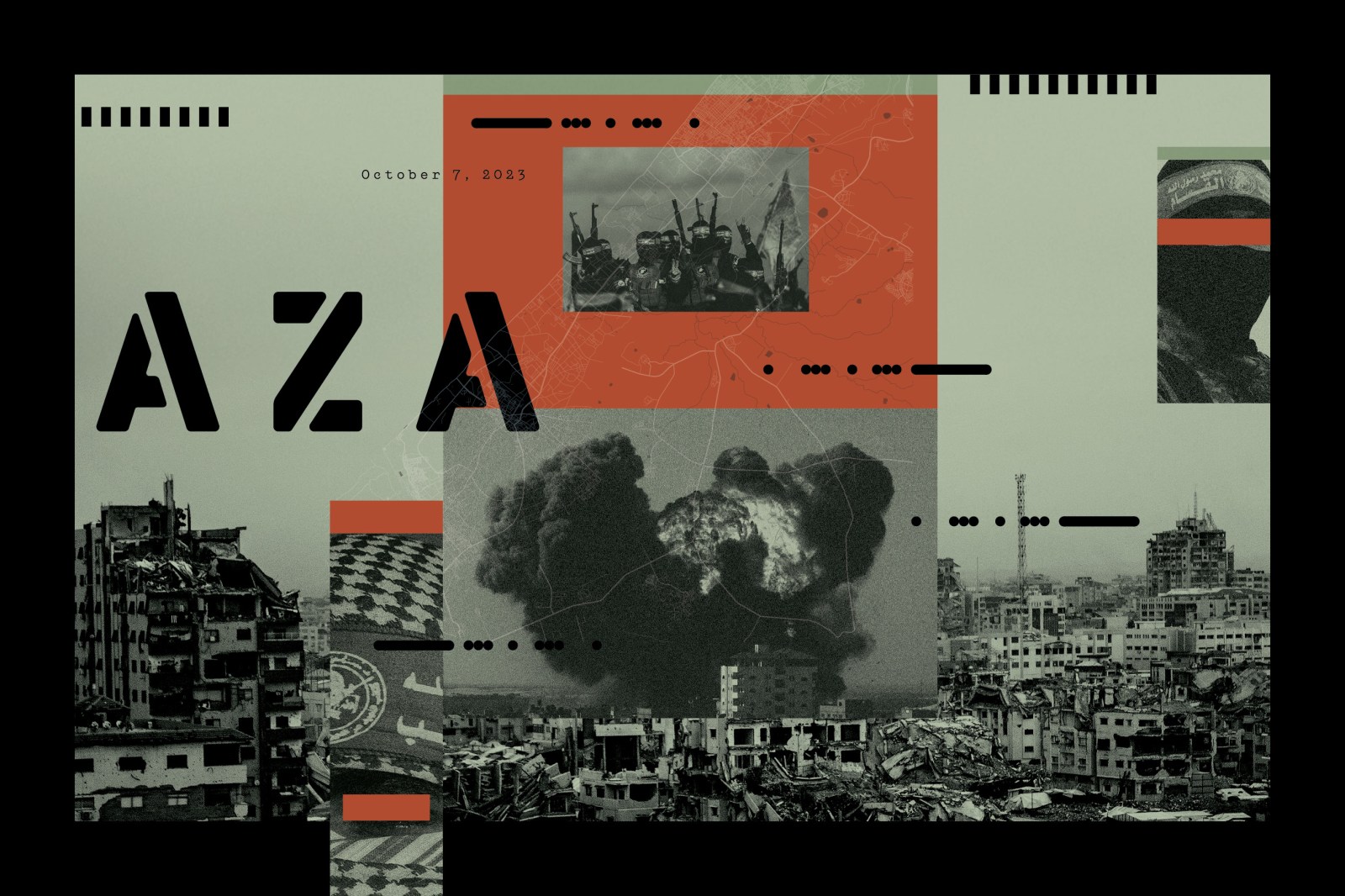
The tragic events of October 7, 2023, left an indelible mark on Israel and reshaped perceptions worldwide. Bernard Cowan’s life was cut short in an attack carried out by Hamas gunmen at Kibbutz Sufa, near Gaza. Cowan, a 57-year-old British-Israeli grandfather, was killed after leaving his family’s safe room due to claustrophobia. He was among the estimated 1,200 casualties from that day.
Hamas’ attack elicited comparisons to historical traumas, such as America’s 9/11, where 2,977 people perished. For a country of Israel’s size, the impact was proportionally devastating. The Israeli response was fueled by the scale of the national trauma imposed by Hamas, making retaliation both probable and foreseeable.
The decision to document the attack using GoPro cameras was deliberate, drawing parallels with strategies used by Osama bin Laden on September 11.
The aftermath of October 7 was paradoxical. Hamas didn’t achieve its ultimate goal of dismantling Israel, but significant transformations ensued. Much of Hamas’ leadership was killed, its military capabilities diminished, and Gaza faced severe repercussions, including humanitarian crises and extensive destruction.
The political landscape shifted as well. The Palestinian struggle regained international attention. Israel’s global reputation faltered, especially among younger Americans who have started viewing Palestinians more favorably. Some even began seeing opposition to U.S. support for Israel as a form of ideological purity.
Hamas’ Intentions and Miscalculations
Hamas held audacious ambitions for the October 7 attack. According to documents now possessed by Israel, Hamas aimed to destroy the state and liberate Palestine. They expected regional allies like Hezbollah to join the assault quickly. This initial strategy underestimated Israel’s response and misjudged the region’s reaction.
The aftermath was different from Hamas’ expectations. They lost many leaders and did not witness the anticipated coalition against Israel. Instead, Gaza suffered a catastrophic toll, with significant casualties and infrastructure damage.
Shifts in Political Perspectives
The attack influenced global perceptions. In 2022, a majority of Americans viewed Israel favorably, but by 2026, favorable views had declined sharply. Israel’s standing in global perception indices also dropped significantly, indicating a broader erosion of support.
David Makovsky from the Washington Institute for Near East Policy cautions that shifts in relations might be temporary, contingent upon changes in Israeli governance. Meanwhile, U.S. strategist Dov Waxman highlights the long-term influence on the young American generation, shaped by their exposure to events through social media.
Evolving U.S.-Israel Relations
The U.S.-Israel relationship is confronting challenges unprecedented in past decades. Progressive and isolationist perspectives increasingly influence debates on military support and foreign policy entanglements.
Young political figures, like Maxwell Frost, illustrate a generational shift where opposition to Israel’s defense funding becomes more mainstream on the left, paralleling changes on the isolationist right.
This bifurcation reflects a deeper change in American politics. Older assumptions about unwavering U.S. support for Israel are being challenged. The future will see today’s young leaders shaping policies, redefining partnerships, and potentially altering the geopolitical landscape.