
In an expedited process exempt from usual procedures, the U.S. Army contracted General Dynamics to produce artillery shells. A Turkish subcontractor with minimal vetting was involved. Despite a $533 million payment, no usable shells were made, and no public accountability was held.
The situation worsened when two production lines were halted, yet General Dynamics still received contracts worth $2.5 billion. The firm’s artillery factory near Dallas was plagued with technical issues, notably frequent robot fires, complicating the production of shells for Ukraine.
Faulty Machinery and Failed Promises
The factory opened in 2024 amidst optimism, but machinery issues quickly surfaced. Robots designed for steel manipulation routinely caught fire. This setup was meant to support Ukraine’s needs amidst Russia’s invasion.
By August 2025, production was partly stopped after eight missed deadlines, leading to an inspector general’s report indicating zero usable outputs. Yet, General Dynamics faced no repercussions.
Lack of Accountability and Transparency
General Dynamics remains under contract and plans to incorporate yet another untested technology to fix ongoing issues. The Army’s Inspector General recommended improving contract oversight but specifics of the involved companies remained undisclosed.
Expedited by Congress, the Army’s use of undefinitized contracting actions sidestepped essential due diligence. Despite the multibillion-dollar contracts, there seemed to be little scrutiny of the equipment’s efficacy.
The Broader Context
General Dynamics’ precarious factory highlight issues across defense spending where incompetence breeds further spending. Critics argue this is indicative of a culture within the Pentagon and Congress where failures aren’t questioned, and budgeting errors persist. As defense budgets rise, this could foreshadow worsening inefficiencies.
General Dynamics’ Approach
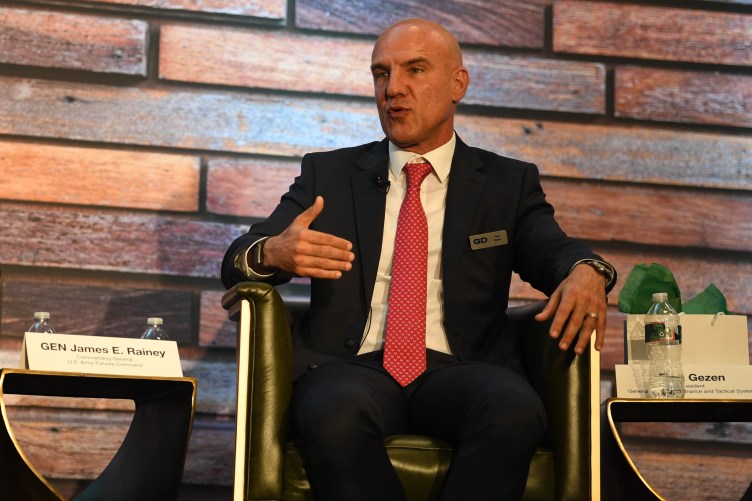
Firat Gezen, who led General Dynamics’ efforts, positioned the company advantageously amid wartime demand. Despite issues, support from the Army and Congress continued. General Dynamics relinquished alternative methods for a state-of-the-art system sold by Repkon from Turkey. The proposed technology had never been tested by the Pentagon for its metalworking suitability.
Conclusions and Future Directions
Despite the continued employment of faulty Repkon technology and the apparent lack of improvements, General Dynamics boldly pursues new contracts. The announcement about incorporating AI brings skepticism among former factory personnel, questioning the feasibility with old machinery.
Following a series of failures, new partners arrive with promises of progress without evident track records in defense contracting. Plans now focus on AI despite past escapades; similar optimism precedes new projects.