
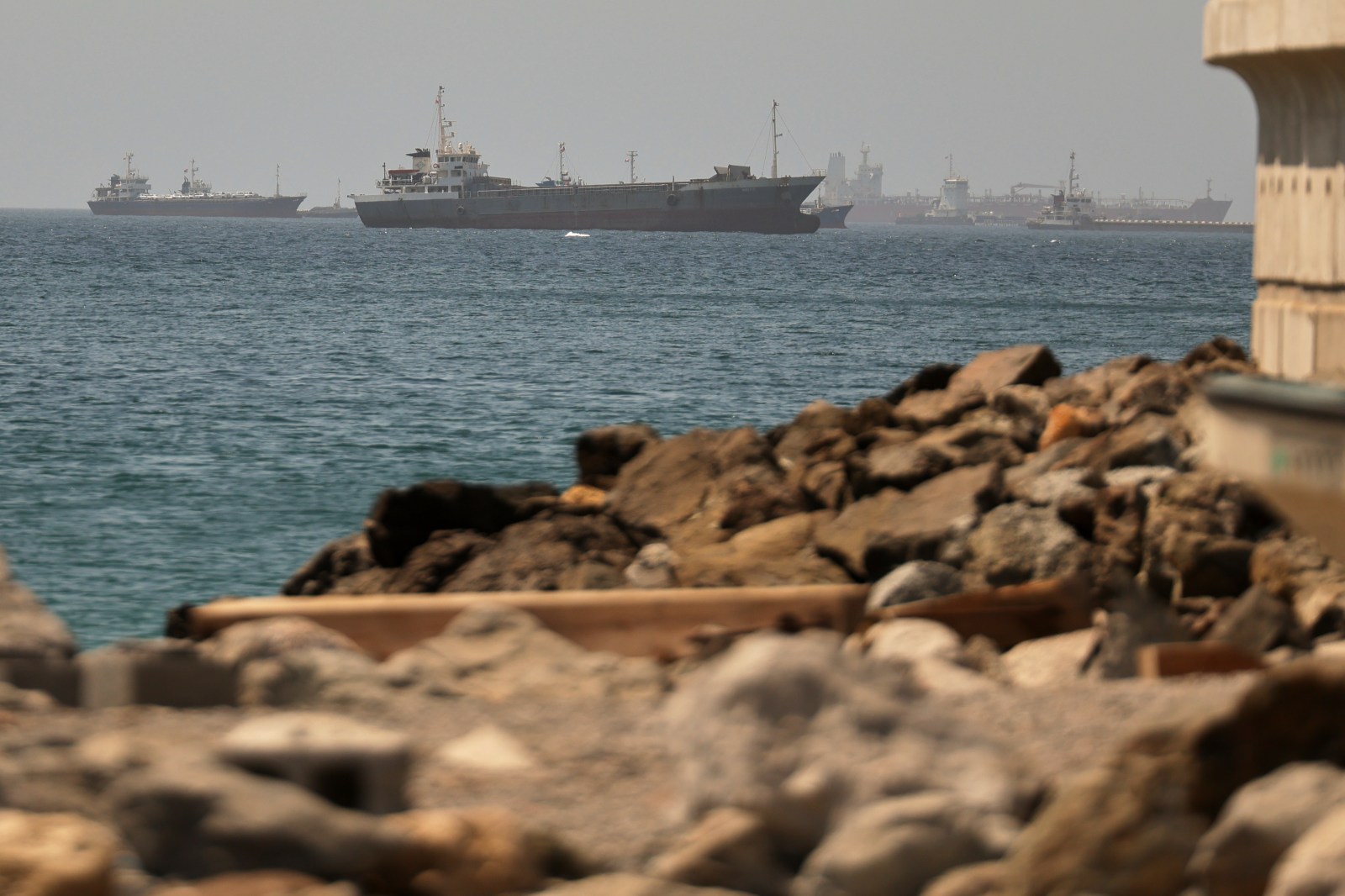
A fragile 60-day ceasefire between the United States and Iran has temporarily reopened the Strait of Hormuz. Conflicting claims about tolls, security enforcement, and long-term authority raise doubts about the chokepoint’s future. The agreement, signed last week, aimed to stabilize global energy markets following prolonged conflict. It allows negotiators to seek a broader deal, halts hostilities, and requires the U.S. to lift its naval blockade of Iranian ports.
Conflicting Reports on Maritime Traffic
Reports over the weekend conflicted regarding the strait’s operational status. Open-source intelligence noted brief disruptions as the tanker Starbound Explorer turned back in Iranian waters, and the container ship MSC Qingdao reversed course briefly before exiting via Omani waters. U.S. officials minimized shutdown concerns, asserting that shipping lanes remain active.
“Yesterday, 67 ships went through the Strait of Hormuz. The day before, it was 55 ships,” said Energy Secretary Chris Wright on Fox News. “In terms of oil and oil products, it is about equal to pre-conflict levels.”
Unresolved Framework of the Ceasefire
The memorandum of understanding (MOU) permits toll-free commercial passage through the strait for 60 days. During this period, Iran, Oman, and Gulf states must negotiate future administration and maritime services. The MOU leaves key issues unresolved:
- Which forces will enforce security?
- Legality of post-ceasefire tolls?
- Resolution of future maritime disputes?
The lack of clarity allows varying interpretations of authority over the channel.
Trump Warns of U.S. Intervention, Tolls
President Donald Trump praised the deal but increased rhetoric on U.S. oversight. On Truth Social, Trump ruled out tolls during the ceasefire but suggested a 20 percent fee on foreign vessels afterward. This would reimburse U.S. military costs. He warned of severe retaliation if Iran shuts the strait again.
“You close it and you won’t have a country,” Trump told Fox News’ Trey Yingst, addressing Tehran’s diplomats. “We may take over the Strait, if we need to. If they don’t make a deal, we’ll collect tolls.”
Iran Asserts Sovereignty
Tehran views the Strait of Hormuz as firmly under its control. On Sunday, a message from Iran’s military operation command stated plans to close the strait to traffic. While shipping continued, Iran’s military claims full authority over the strait’s management. Iran warns of restricted access if the U.S. or allies breach the ceasefire, or amid regional conflicts like the Israel-Hezbollah war.
The Global Market Implications
Friction over the strait keeps global energy markets tense. As the world’s critical oil chokepoint, the strait carries a fifth of global petroleum liquids and significant liquefied natural gas shares. Past conflict phases saw reduced traffic and closure threats push crude prices higher, straining supply chains and raising insurance premiums.
Financial markets have responded sharply. Energy stocks surge on supply fears, while broader equities can fall due to economic slowdown concerns tied to high energy costs. The 60-day agreement temporarily relieved shipping and commodities traders, but analysts warn the core geopolitical dispute remains. As long as Washington and Tehran hold irreconcilable views on the waterway, the strait remains an economic flashpoint.