
Implications of Supreme Court Ruling
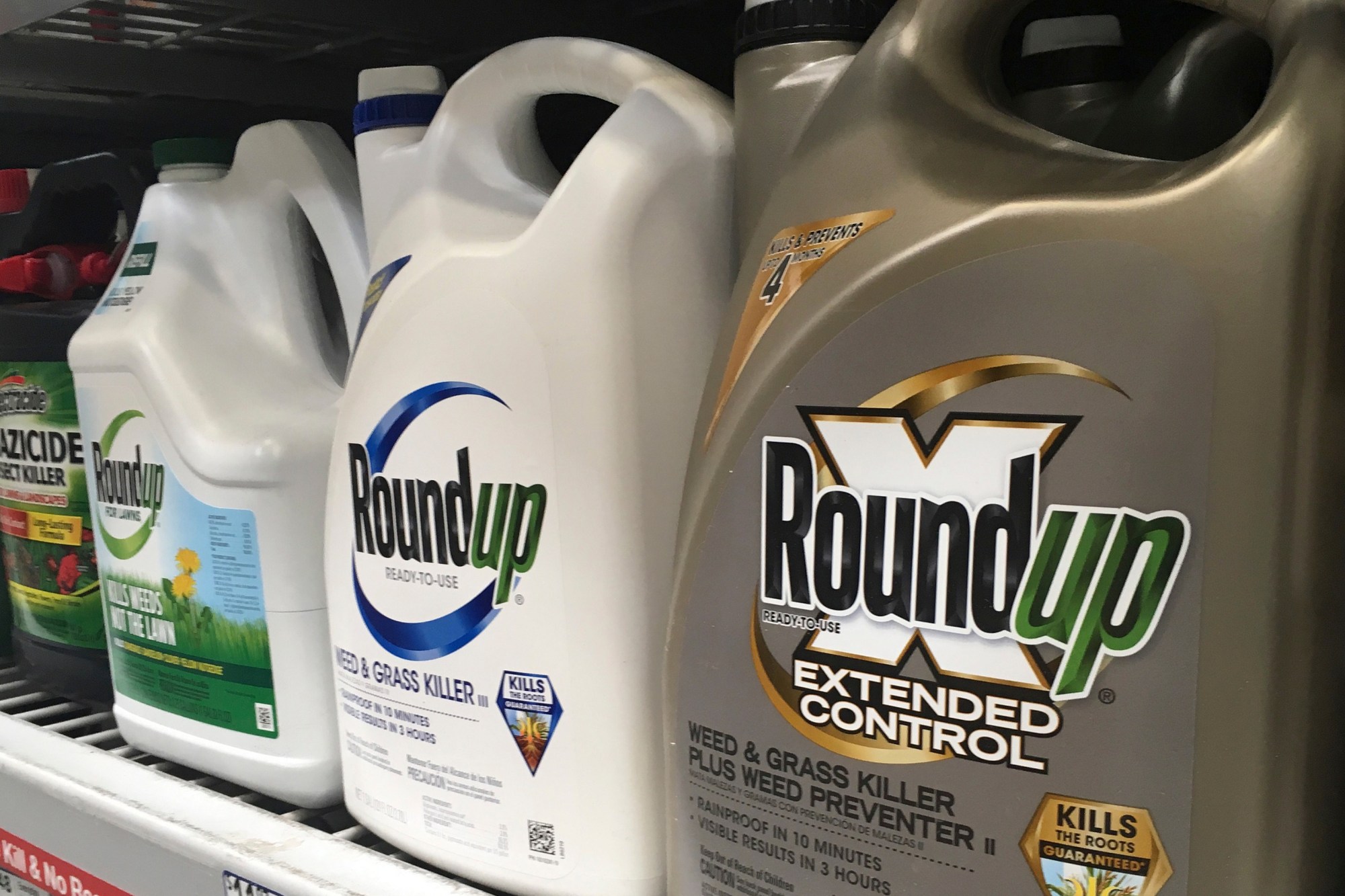
The Supreme Court’s recent 7-2 decision in favor of Monsanto has sparked concern among those invested in health, food, farming, and fairness. This ruling impacts more than just one company or chemical; it demonstrates how corporations might leverage government approvals to skirt responsibility.
John Durnell, who extensively used Monsanto’s Roundup in his St. Louis neighborhood parks over two decades, developed non-Hodgkin’s lymphoma. A jury determined that Monsanto failed to warn him of potential cancer risks, awarding him damages. However, the Supreme Court sided with Monsanto because the Environmental Protection Agency (EPA) approved Roundup’s label without a cancer warning. This decision implies that federal law overrides state failure-to-warn claims that might require additional warnings.
Balancing Corporation Powers
The ruling suggests that once a federal agency approves a product, corporations might use this approval to block individuals from pursuing justice through state channels. While Monsanto argued this stance, the court agreed, which shifts power away from juries and states.
This decision does not ban lawsuits against pesticide companies entirely, nor does it negate all state authority over pesticides. However, it does restrict individuals from pursuing recourse under state failure-to-warn claims.
Challenges with Regulation
Government agencies aim to protect the public, but industry pressure and political interference often compromise their effectiveness. Many regulations rely on data provided by the companies under scrutiny. Consequently, powerful entities can manipulate rules to absolve themselves from liability.
Roundup and similar chemicals are pivotal to producing monoculture crops, which is central to the U.S. farming system. These powerful agricultural systems often leverage federal authority to avoid stringent local and state regulations. Despite being heavily regulated, industrial animal agriculture remains underregulated, leaving workers and communities vulnerable.
Farm System and Accountability
Even with technical regulations in place, accountability may remain elusive. A 2008 Government Accountability Office report found the EPA lacked complete information about concentrated animal feeding operations, rendering effective regulation difficult. Laws without proper oversight create an illusion of accountability while offering little real protection.
While executives often escape the burdens imposed by this system, the repercussions are suffered by gardeners, farm workers, rural families, consumers, and animals. Farmers should not shoulder blame; they operate within a system dictated by larger firms pushing them towards high-cost seeds, chemicals, and contractual obligations.
Considering Reforms
Federal approval does not guarantee safety, justice, or protection. A system may follow rules but still inflict harm. Transforming the food system demands accountability and support for small and medium farmers moving away from heavy chemical uses toward more sustainable practices.
Congressional Actions
Congress must clarify that federal approval should not grant corporations immunity. EPA approval should serve as a safety baseline, allowing states, juries, and communities to advocate for stronger protections.
New measures should prevent companies from undermining state laws, such as California’s Prop 12, which voters enacted for enhanced animal welfare.
The decision regarding Roundup indicates a significant issue. Corporations shaping regulations and eluding accountability signal a systemic failure. Congress’s next steps should focus on ensuring accountability and promoting the collective well-being encompassing people, animals, and the environment.
Gene Baur, president and co-founder of Farm Sanctuary, contributed insights on this topic.