
In Plymouth, Mass., hundreds gathered outside the courthouse in support of Lindsay Clancy, who faces trial for the deaths of her three children. Many attendees wore pink clothing with phrases such as “Believe” and “She Needed Help.” The gathering aimed to highlight mental health issues affecting women.
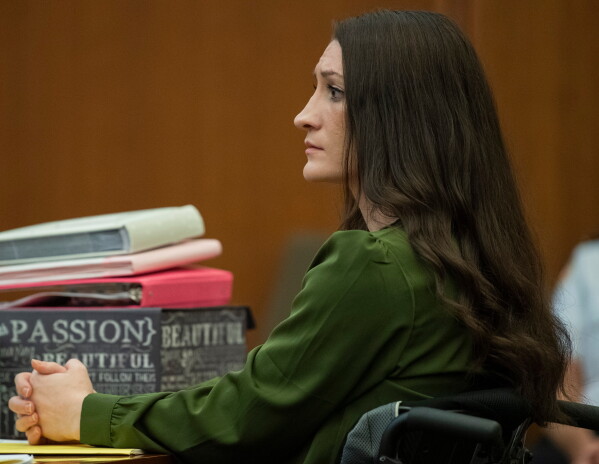
Clancy’s lawyer acknowledges her actions yet argues she should not face criminal responsibility due to mental illness. The trial has ignited online discussions about postpartum psychosis, a rare condition linked to childbirth-related stress and hormonal changes. Clancy also suffers from bipolar disorder. After the incident, she attempted suicide, resulting in paralysis from the waist down.
Clancy sought assistance multiple times, visiting various healthcare providers, calling hotlines, and checking into a psychiatric hospital. She is defended by attorney Kevin Reddington, who emphasizes her mental health struggles. Prosecutors argue that Clancy planned the January 2023 killings and question her suicide attempt’s sincerity, citing her inconsistent medication use.
During the rally, supporters stood silently for an hour, marking the first significant public support demonstration during the trial. Rally organizer Renee Kimball encouraged trust in Reddington’s ability to advocate for Clancy. By the end, supporters formed a circle, prayed, and displayed global solidarity with flags from different countries.
Clancy, 36, has pleaded not guilty to charges related to the deaths of her three children, ages ranging from 8 months to 5 years. Postpartum psychosis affects 1 to 2 per 1,000 women after childbirth, according to research. Jeanne Zaborski, a retired nurse, expressed hope that the case will raise awareness about postpartum health challenges.
Testifying in court, Chaplain Sheila Cavanaugh recounted visiting Clancy after the killings. Initially unconscious, Clancy later expressed belief that her children were safe. Cavanaugh affirmed her statement theologically. Clancy mentioned hearing a voice that urged her actions for safety, which prosecutors challenged due to lack of documentation in medical notes.
Cavanaugh clarified her role as bearing witness to suffering, not medical evaluation. She emphasized Clancy’s deep love for her children and ongoing grief. Their last visit occurred before the trial commenced.
Associated Press journalist Leah Willingham contributed from Boston.