
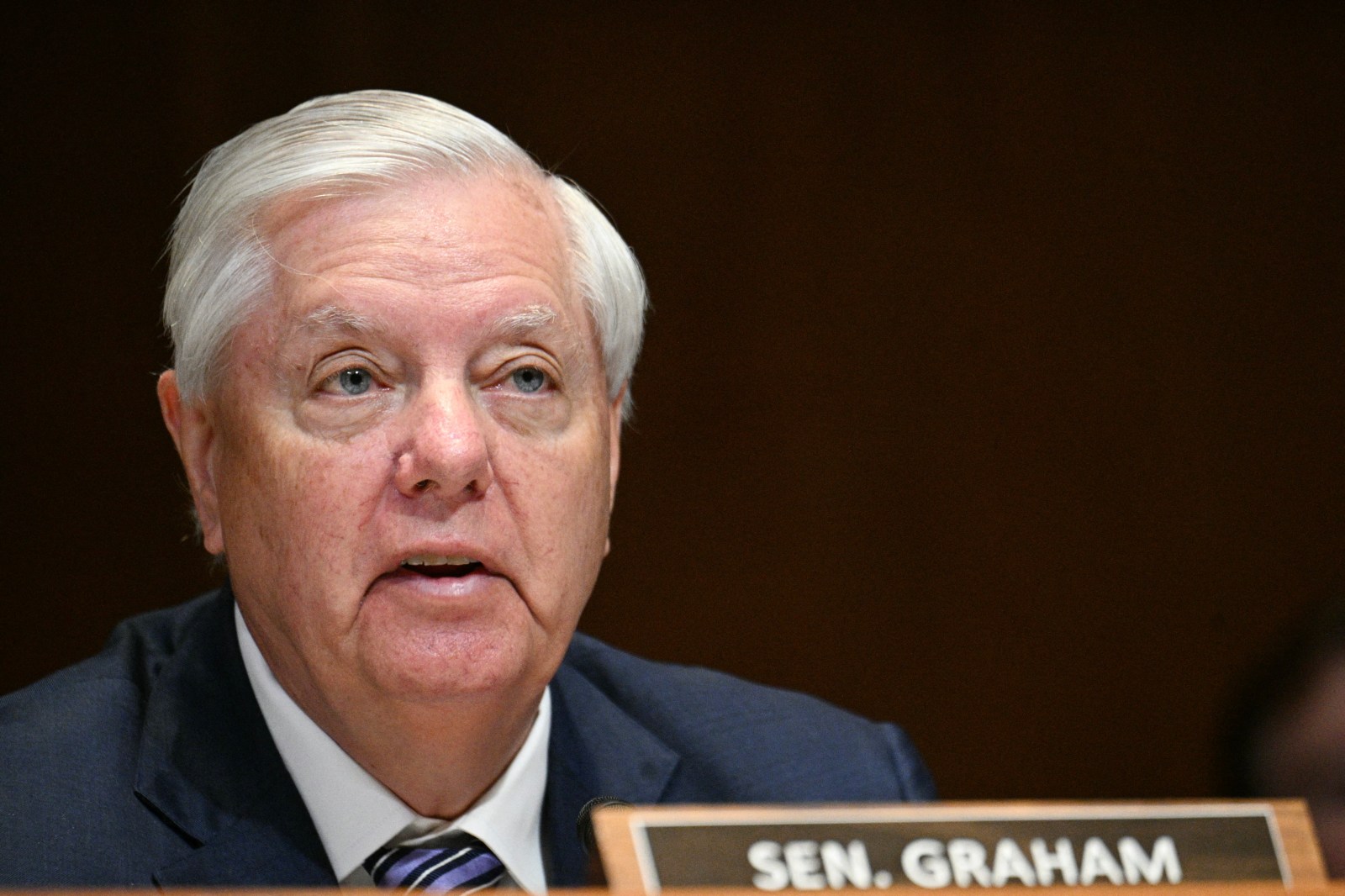
The passing of Senator Lindsey Graham, a South Carolina Republican and key ally of President Donald Trump in Congress, introduces challenges to the execution of some of Trump’s major agenda items. Graham died at the age of 71, leaving Republicans without one of their most effective negotiators as they strive to push forward with the president’s priorities.
Graham, as chairman of the Senate Budget Committee, played a crucial role in moving major legislation during Trump’s second term. His absence could hinder efforts to advance Trump’s plans, which include increasing military funding and confirming nominees, especially with the GOP’s slim Senate majority.
Republicans face further difficulties with the temporary absence of Senate Majority Leader Mitch McConnell, who remains hospitalized. This has reduced their majority in the Senate to 51-47.
Todd Blanche’s Confirmation Faces A Challenge
The confirmation of Todd Blanche, Trump’s nominee for attorney general, emerges as an immediate test for Senate Republicans. Blanche’s hearings are scheduled for July 15 and 16, but Graham’s death has left the Senate Judiciary Committee with 11 Republicans and 10 Democrats. Any deviation among Republicans could result in the nomination failing.
Senator Thom Tillis’ vote is vital, as he has expressed that an attorney general nominee must unequivocally condemn the January 6 violence. Tillis indicated that any suggestion of Blanche lacking independence might sway his vote.
SAVE America Act Loses A Champion
The Safeguard American Voter Eligibility, or SAVE America Act, faces added challenges due to Graham’s passing. Trump had been advocating for the elimination of the filibuster to pass this legislation, which aims to implement stringent voter ID and citizenship requirements. Graham was active in pushing for the act, and his death is a setback to its potential success.
Reports indicate that Graham had assured Trump of progress on the act, calling his death a significant obstacle that complicates future efforts to pass it.
Military Budget and Reconciliation Package in Question
Graham’s absence might affect the National Defense Authorization Act (NDAA), which Republican leaders intended to present before the recess. The Senate’s Democratic members are likely to block the bill over issues related to the Iran war, posing a direct challenge to Trump’s proposed $1.5 trillion military budget.
Additionally, a new budget reconciliation package that includes $350 billion for defense might face hurdles. Graham’s successor, Senator Ron Johnson, has been vocal about reducing deficits through reconciliation, adding complexity to the legislation’s prospects.