
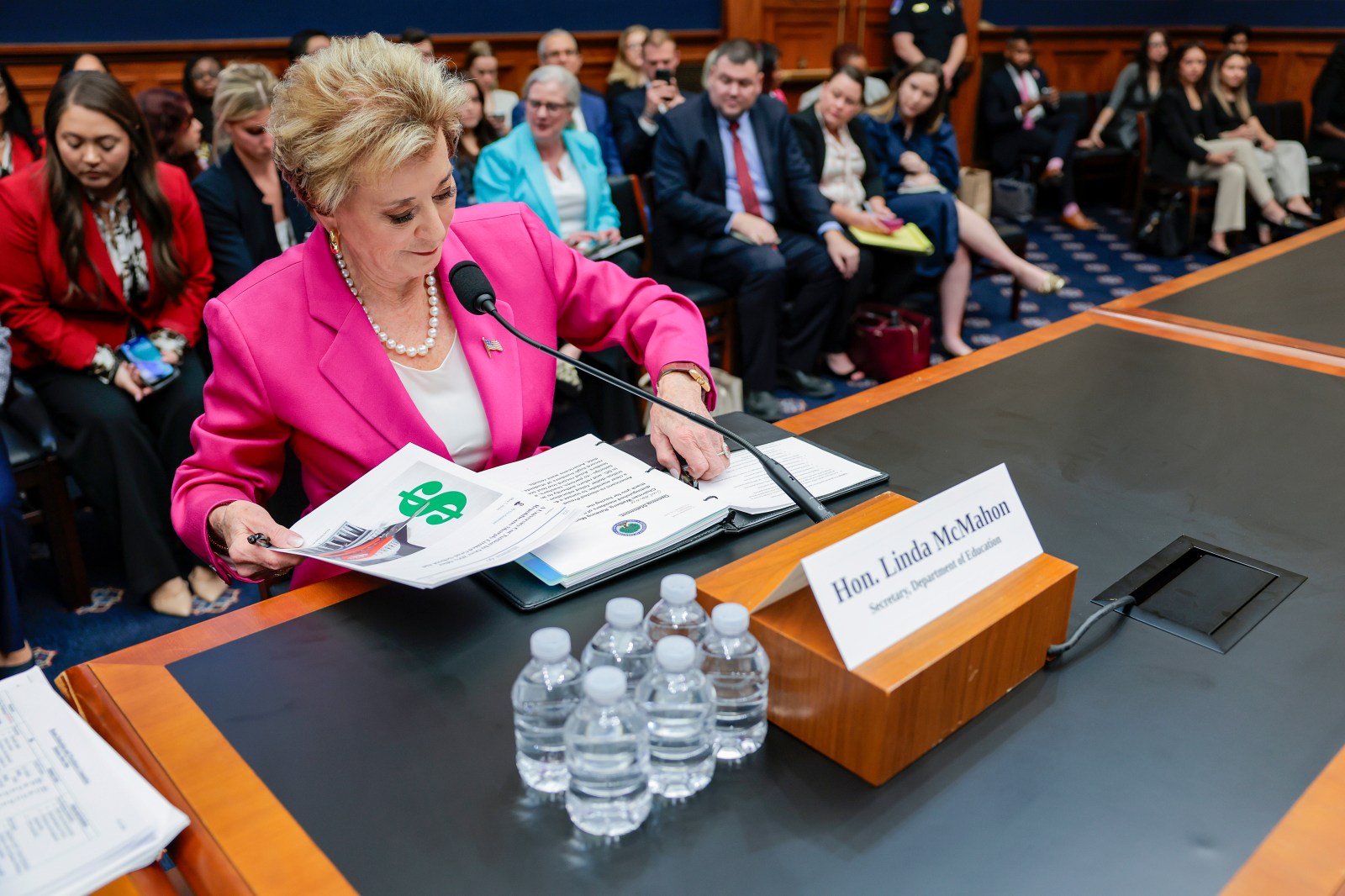
House Republicans have proposed a bill to formally authorize the transfer of federal student loan accounts from the Department of Education to the Treasury Department. This effort seeks to cement the Trump administration’s objective to reduce the Education Department’s role in student debt management into law. The proposal is one of ten bills introduced by Republicans to “right-size” the Department of Education, delegating specific duties to other federal entities.
Why It Matters
The proposed change could impact over 40 million Americans holding federal student loans, significantly altering the management of the $1.7 trillion student loan portfolio. For borrowers, the proposal leads to concerns about loan management and repayment program operations. Questions arise regarding the Treasury’s capacity to manage millions of student loans.
What To Know
The transfer of student loans to the Treasury would likely be gradual. Initially, borrowers who have defaulted on their loans would be targeted, as per an agreement between the Education and Treasury departments reached in March. The Treasury would take on the responsibility of handling these loans, eventually extending management to non-defaulted loans.
The legislation aims to formalize this transition plan. “This proposal would not erase student loans or change what borrowers owe, but it would shift federal student-loan servicing and collection operations from the Education Department to the Treasury, beginning with defaulted loans,” said Alex Beene, a financial literacy instructor at the University of Tennessee at Martin, to Newsweek. While changes should not significantly affect borrowers, new portals, notices, and collection processes may arise.
The Perspective of Republicans
House Education and Workforce Committee Chairman Tim Walberg stated these bills aim to assign responsibilities to agencies better suited to handle them. “Rather than allowing unnecessary layers of Washington bureaucracy to stand between families and services, these bills would shift key authorities to more capable agencies,” Walberg mentioned.
What Borrowers Should Expect
Currently, borrowers are not anticipated to experience immediate changes in their payment processes. When the Treasury-Education agreement was announced, officials assured borrowers would continue working with current loan servicers during the transition. The first borrowers impacted would have defaulted loans. The Treasury has been preparing to manage the defaulted student loan portfolio to enhance collections and taxpayer accountability, a goal highlighted by the Trump administration.
Possible Borrower Confusion
Not everyone agrees that transferring student loans to the Treasury improves the system. Concerns exist regarding whether the Treasury has the necessary infrastructure for complex repayment and forgiveness programs traditionally managed by the Education Department. “Supporters argue Treasury can oversee a federal debt portfolio, but student loans are not typical debts,” said Beene. “The fear is this transfer might harm credit and delay relief if challenges arise.” Legal challenges may also surface, as federal law assigns student aid program responsibility to the Education Department.
The Impact on Borrowers
The federal government manages approximately $1.7 trillion in student debt, with defaulted loans composing around $180 billion, or 11 percent, of the portfolio. Over 40 million Americans possess federal student loans, and these changes could have substantial effects on borrowers if the Education Department’s role reduces significantly.
What Happens Next
The proposal must move through Congress to become law. Meanwhile, the Trump administration continues to prepare for the student loan transfer under the March agreement between the Education and Treasury departments.