
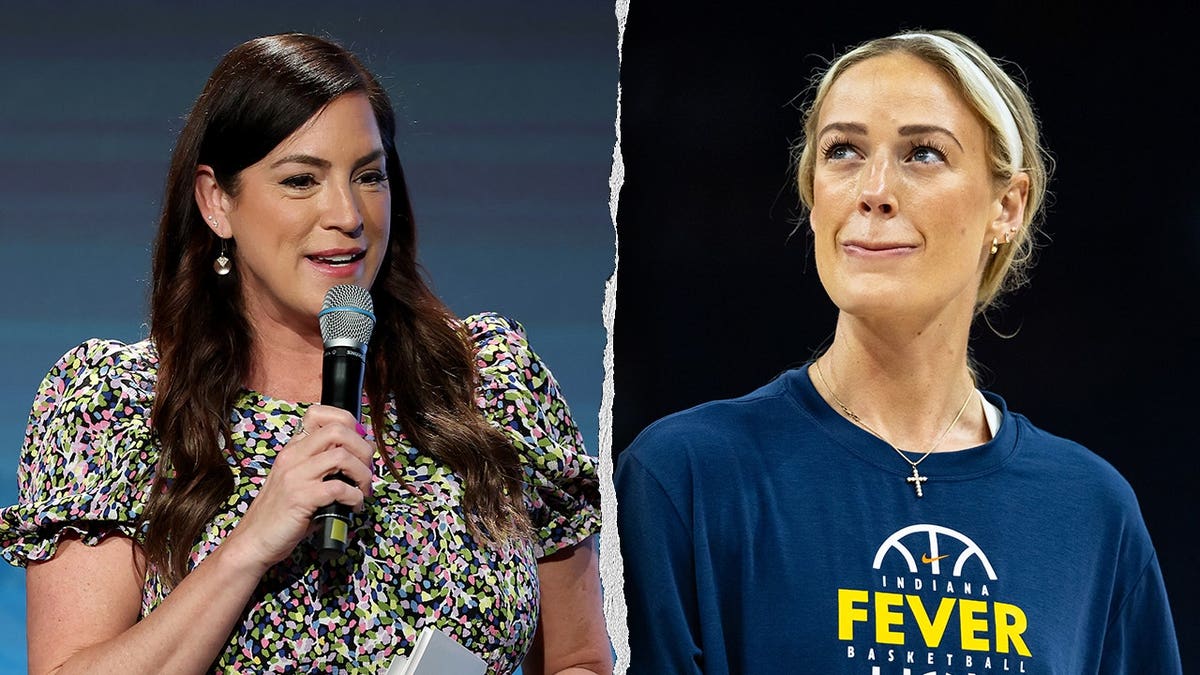
Sarah Spain is known for advocating women’s issues, often addressing sports with the lens of equality. She refers to the NBA as the “MNBA,” attempting to assert that the WNBA is equally significant. However, her recent comments about Indiana Fever guard Sophie Cunningham reveal contradictions in her stance.
Sophie Cunningham and the WNBA Debate
On a recent episode of her “Good Game” podcast, Sarah Spain launched a personal critique against Sophie Cunningham. Cunningham, who opposes biological males competing in women’s sports, expressed her views on protecting young girls. She spoke of extending love and honesty while protecting girls in locker rooms and competitions.
Spain’s interpretation was harsh. She accused Cunningham of lacking empathy and criticized Cunningham’s background and support system, claiming they encouraged self-centeredness. Spain’s critique seemed disconnected from Cunningham’s initial statement of concern for young girls.
Minimizing Serious Threats
Spain further criticized Cunningham for discussing her experiences with stalking. An Indianapolis man was charged with stalking and harassing Cunningham. The situation involved significant threats, leading Cunningham to fear for her safety. Despite this, Spain minimized these claims, suggesting Cunningham’s discussions amounted to “complaining.”
Legal filings revealed the seriousness of the situation, involving threats and intimidating messages. Yet, Spain used these experiences against Cunningham, implying a lack of broader empathy for harassment issues faced by WNBA players, especially those who are Black and queer.
The Role of WNBA Leadership
Spain also debated the role of the WNBA Commissioner. She suggested that the commissioner should be more emotionally supportive of players facing harassment, unlike commissioners in men’s sports. ESPN reporter Holly Rowe disagreed, advocating for normalizing the role without extra emotional responsibilities.
Spain’s assertion was that female athletes might need more emotional support due to experiencing greater threats. However, this raises questions about equality and condescension in professional sports roles.
The Impact of Sex and Gender Perspectives
Spain’s positions highlight a contradiction in her approach to sex and gender. She supports structural differences for gender-based safety and support in the WNBA while criticizing Cunningham’s concerns over biological males in women’s sports. Spain advocates for league adaptations based on sex differences, yet opposes similar considerations in sports competitions.
This inconsistency led to a broader discussion on hypocrisy in gender advocacy. Spain’s criticisms of Cunningham reflect selective empathy based on ideological alignment rather than consistent support for women’s issues across the board.
Sarah Spain’s advocacy appears inseparable from her personal beliefs and biases, impacting her judgments on women’s experiences and concerns.