
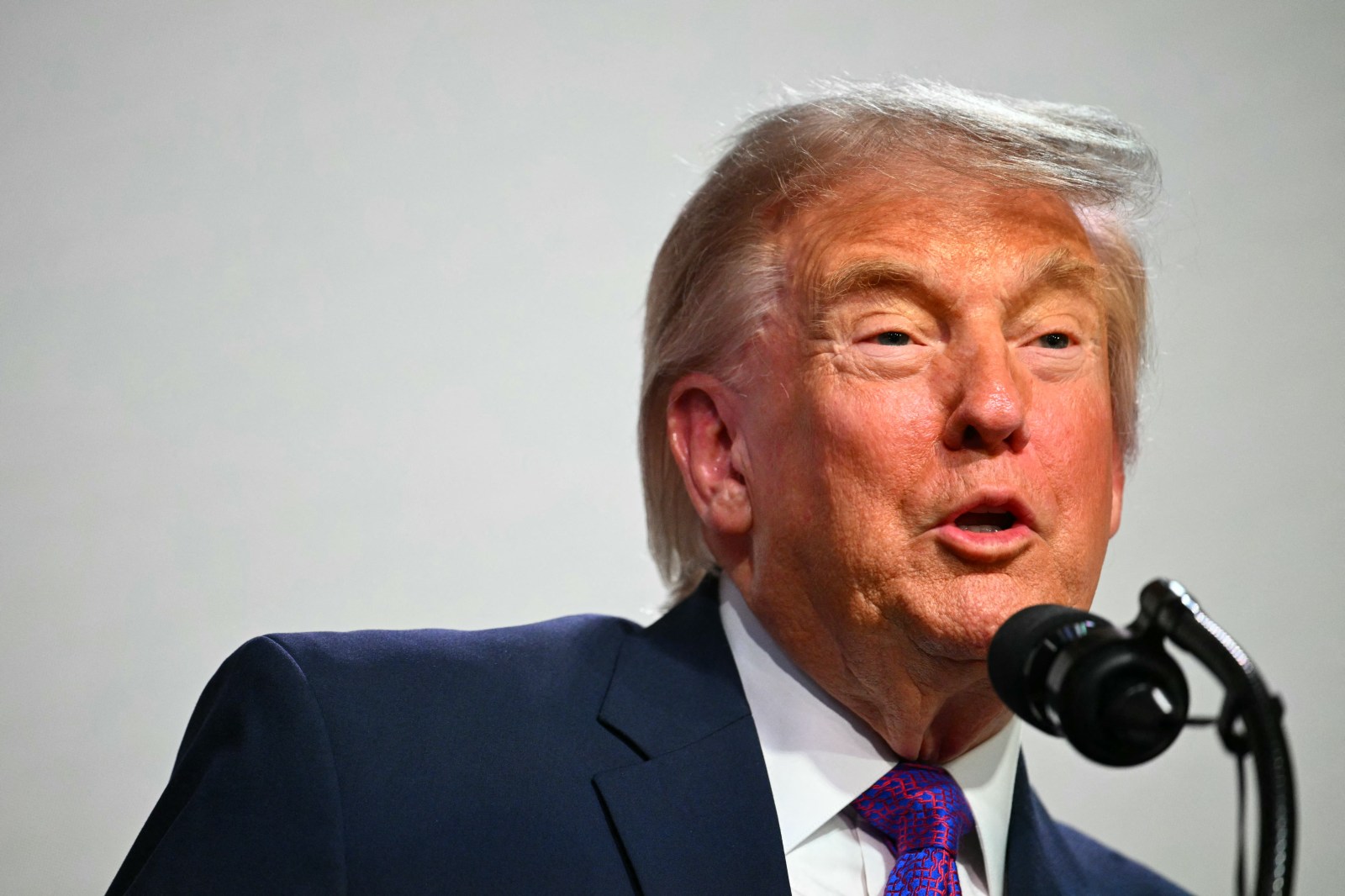
A recent AP/NORC poll indicates a rise in dissatisfaction among Republicans with President Donald Trump’s economic management, with 37 percent expressing disapproval. This marks a significant concern for the GOP as they approach the 2026 midterm elections. The results suggest a potential shift within Trump’s core supporters. Strengthening the economy and fighting inflation have been key elements of Trump’s 2024 agenda, yet many Americans still face economic challenges and high living costs over a year into his term.
Gas prices have become particularly burdensome, exacerbated by the ongoing conflict in Iran, with a national average of $4.555 per gallon reported by AAA. White House spokesperson Kush Desai noted the economy’s resilience under Trump, assuring that continued legislative efforts on healthcare and housing will yield positive results.
The poll also revealed that 30 percent of Republicans disapprove of Trump’s handling of the Iran situation nearly three months into the conflict. The survey included 1,117 adults between May 14 and May 18, 2026, with a margin of error of 3.8 percentage points.
General Approval Trends
Overall, only 33 percent of Americans approve of Trump’s economic policies, while a significant 67 percent express disapproval. Despite this, Trump’s overall job approval has slightly increased from April, moving from 33 percent to 37 percent, although still lower than the 41 percent approval in May 2025.
Influence within GOP Primaries
Despite declining national approval, Trump maintains a strong influence within the Republican Party. GOP primary outcomes highlight his significance, with candidates endorsed by Trump often succeeding. For instance, in Kentucky, Trump-endorsed Ed Gallrein defeated Representative Thomas Massie. In Louisiana, Trump’s support helped Julia Letlow and John Fleming advance over Senator Bill Cassidy.
Polling Insights
Other polls indicate a drop in Trump’s approval ratings, both nationally and in swing states:
- Reuters/Ipsos: 35 percent approval, 63 percent disapproval
- Echelon Insights: 40 percent approval, 59 percent disapproval
- YouGov/The Economist: 37 percent approval, 57 percent disapproval
- New York Times/Siena College: 37 percent approval, 59 percent disapproval
Impact on Midterms
Trump’s approval is a critical factor in the midterms, traditionally seen as a reflection on the sitting president. Historical trends show the president’s party often loses seats. For example, during Trump’s first term, Democrats captured 41 House seats in 2018. Now, traders on platforms like Kalshi and Polymarket track political sentiment, with varying predictions on party control of Congress.
Gas Prices and Political Messaging
Inflated gas prices, driven by the Iran conflict, present challenges for the GOP. The closure of the Strait of Hormuz, a crucial oil passage, has stressed global markets. Current gas prices in the U.S. are significantly higher than in previous years. Democrats have linked rising prices to Republican actions in Iran, with statements from party leaders emphasizing this connection.
Efforts to mitigate gas prices include a House Republican bill to permit nationwide sales of E15, a more affordable ethanol gasoline blend. However, the impact of this measure remains uncertain amid the ongoing geopolitical tensions.