
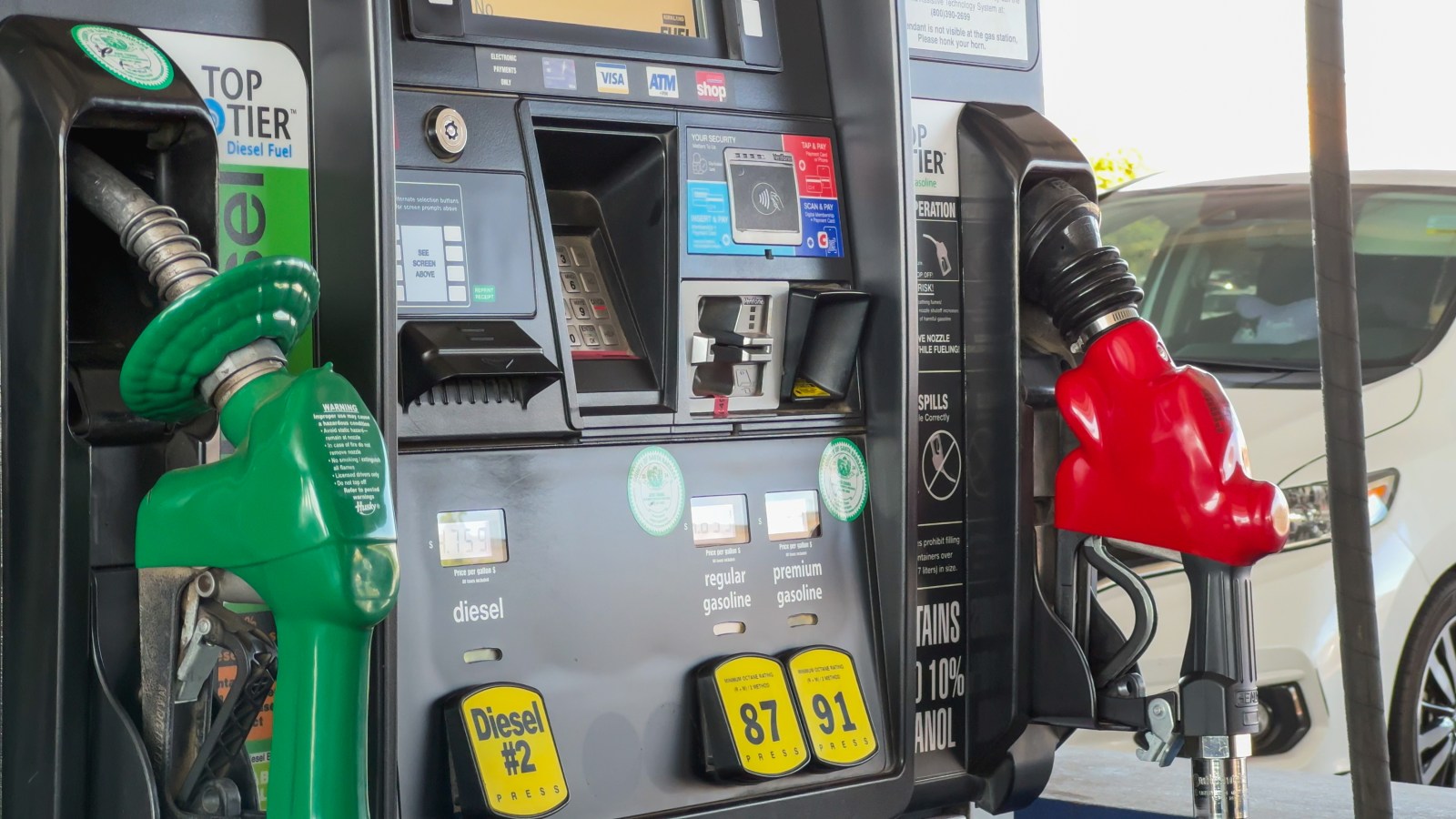
Gas Prices and Social Security: A Potential Connection
Rising gas prices may not only affect your costs at the pump, but they could also impact the Social Security benefits you receive in future checks. President Donald Trump mentioned that gas prices could stay elevated or worsen, raising questions about their potential influence on Social Security payments.
Why Gas Prices Matter
Gas prices have increased by more than 20% recently, and in April, the year-over-year increase was up to 18.9%, according to the Bureau of Labor Statistics. Such inflation can significantly influence Social Security adjustments for the next year. While higher gas prices might lead to larger future benefit increases, they also result in higher current expenses.
Impact on Social Security Recipients
For over 70 million Americans who rely on Social Security, inflation fluctuations directly affect monthly income. Gas prices play a significant role in this process due to their contribution to overall inflation. The annual Social Security cost-of-living adjustment (COLA) is determined by the Consumer Price Index (CPI-W), where gasoline is a considerable component. When gas prices rise, inflation rises, potentially leading to higher COLA increases.
Mary Johnson, an independent Social Security and Medicare policy analyst, foresees a 3.2% COLA in 2027 with current gas prices. This prediction contrasts her earlier 1.7% outlook from March prior to the dramatic price rise.
Pros and Cons for Retirees
Rising gas prices bring a mixed impact for Social Security recipients. Benefits may rise with larger COLA, resulting in bigger monthly checks in the future. However, this comes with increased immediate expenses for gas, groceries, and utilities, reducing short-term purchasing power.
Alex Beene, a financial literacy instructor, highlighted that while a higher COLA might seem beneficial, it often compensates for rising costs, offering neutral to negative effects on beneficiaries.
The Broader Impact of Gas Prices
Gas prices influence transport and shipping costs, leading to higher prices for goods and services. This pushes inflation higher, further affecting Social Security calculations.
Kevin Thompson, CEO of 9i Capital Group, explained that higher energy costs affect various sectors, making budgeting challenging for retirees on fixed incomes.
What This Means for You
In the short term, your current Social Security payment remains unchanged, but expenses might increase. In the longer term, you might experience larger COLA adjustments, which mean higher monthly benefits in the coming year.
Drew Powers, founder of Powers Financial Group, noted that the cost-of-living adjustment reflects past inflation and may result in a shortfall for seniors.
Looking Ahead
If gas prices stay high, potential outcomes include higher COLA in 2027, ongoing monthly budget pressure, and possible changes in spending habits.
Kevin Thompson pointed out that retirees could face inflation challenges before receiving a COLA increase, highlighting the rigidity of fixed Social Security payments amid rising prices.