
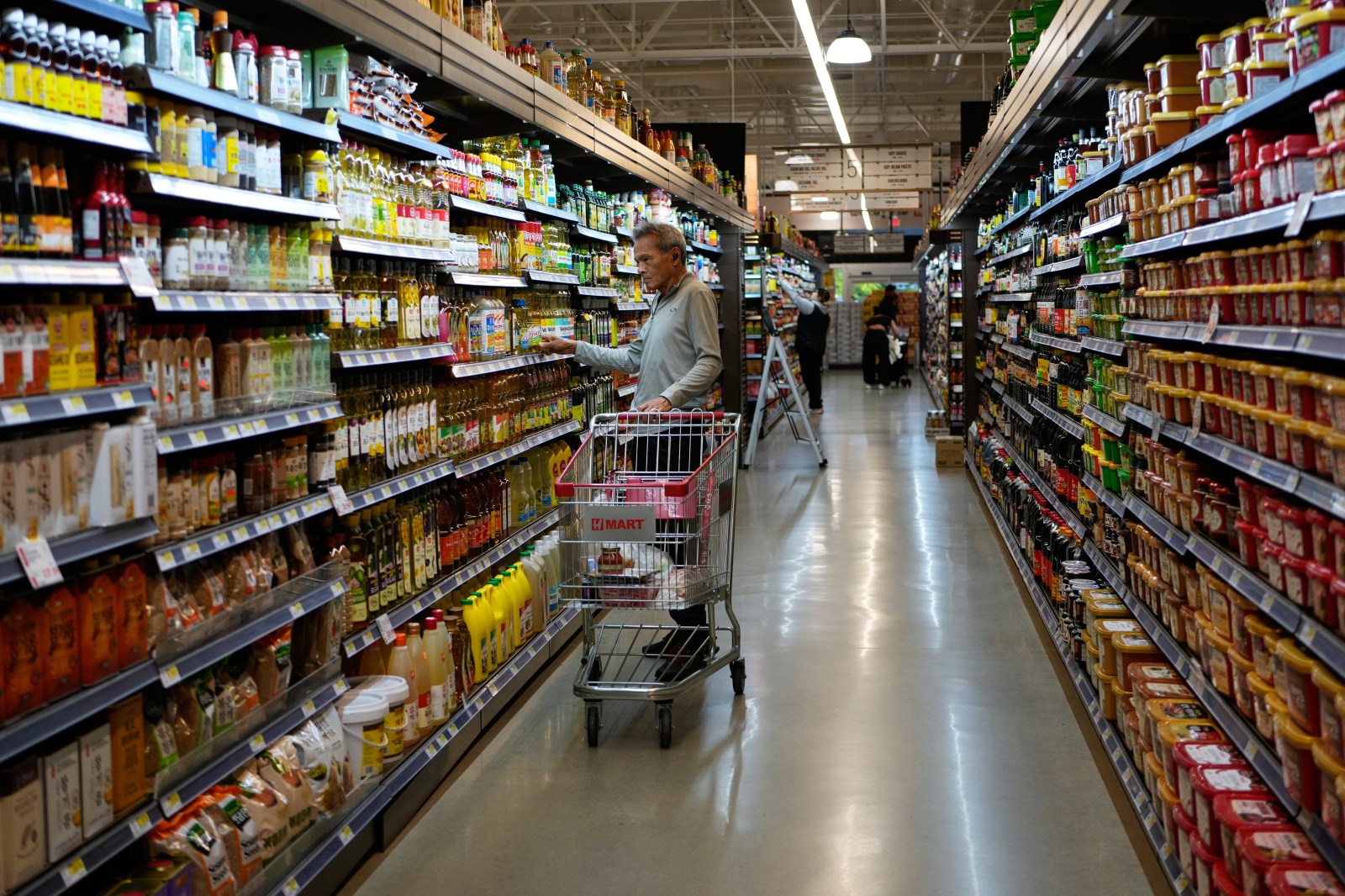
The cost of food in the U.S. is set to rise sharply, mirroring the increase in oil prices, due to war-related supply disruptions affecting companies and farmers. Economist Justin Wolfers highlighted the significance of oil prices, stating, “The big story right now is oil. The next story is food.”
Oil prices have surged over 50 percent since the conflict started on February 28, leading to a nationwide average gas price of over $4.50, marking the first time this high since 2022. Farmers face increased costs in fertilizers and fuel, along with tariffs and a reduced workforce, causing concerns that prices may spike at the grocery checkout.
Food Prices: How Fast Are They Climbing?
Sticky inflation has been straining American budgets, even before the conflict began. According to the Bureau of Labor Statistics, annual headline inflation rose from 3.3 percent in March to 3.8 percent in April. The energy index increased by 17.9 percent since April 2025, with food costs up 3.2 percent. Groceries saw a 0.7 percent rise in April, the largest monthly increase since early 2022, hitting 2.9 percent annually.
Shipping disruptions in the Strait of Hormuz also contribute to fears of worsening grocery impacts, as the strait remains largely closed. Fertilizer costs have risen by approximately 20 percent since the conflict, impacting U.S. prices, as reported by the Green Markets Weekly North America Fertilizer Price Index.
Why the Conflict Could Push Grocery Prices Higher
Around a third of global fertilizer trade passes through the Hormuz Strait, and this disruption has increased prices. The World Bank expects global fertilizer prices to rise by 31 percent, largely due to a 60 percent increase in urea prices, affecting farmers’ incomes and future crop yields.
Although poorer nations will likely suffer the most, U.S. farmers face challenges during the critical planting season. An April survey from the American Farm Bureau Federation shows 70 percent of farmers unable to afford necessary fertilizers, compounded by a 46-percent hike in farm diesel costs.
The Department of Agriculture has adjusted food price forecasts for various food groups for 2026 amid these new issues, but projections for certain foods remain the same or have dropped.
Chris Barrett, an agriculture economics professor at Cornell, suggests the full impact of the fertilizer disruption has yet to be seen and will become evident in late summer, continuing through the fall and winter. Barrett estimates food price inflation will reach 11 percent year-over-year by the end of 2026.
Agricultural economists Ken Foster and Bernhard Dalheimer at Purdue University state that pre-conflict forces had already started raising food prices. They believe the war’s impact extends beyond fertilizer costs, as energy expenses affect all supply chain components.
Food affordability will be at risk, especially for lower-income households, as accumulated cost pressures trickle down into retail prices. Foster and Dalheimer stress the slow arrival and prolonged impact of price increases.
What Happens Next
The war seems unlikely to end soon, as both sides remain skeptical of each other’s demands. On Wednesday, President Trump expressed “no hurry” to negotiate a deal with Tehran, though he showed openness to a limited agreement to reopen the Strait of Hormuz. Foster and Dalheimer emphasize that the duration of the strait’s closure will significantly affect food prices.