
A Rhode Island high school teacher has become the center of controversy following his inclusion in the school’s 2026 yearbook. This decision has reignited discussions about the teacher’s past comments on Charlie Kirk, a notable figure whose assassination sparked outrage.
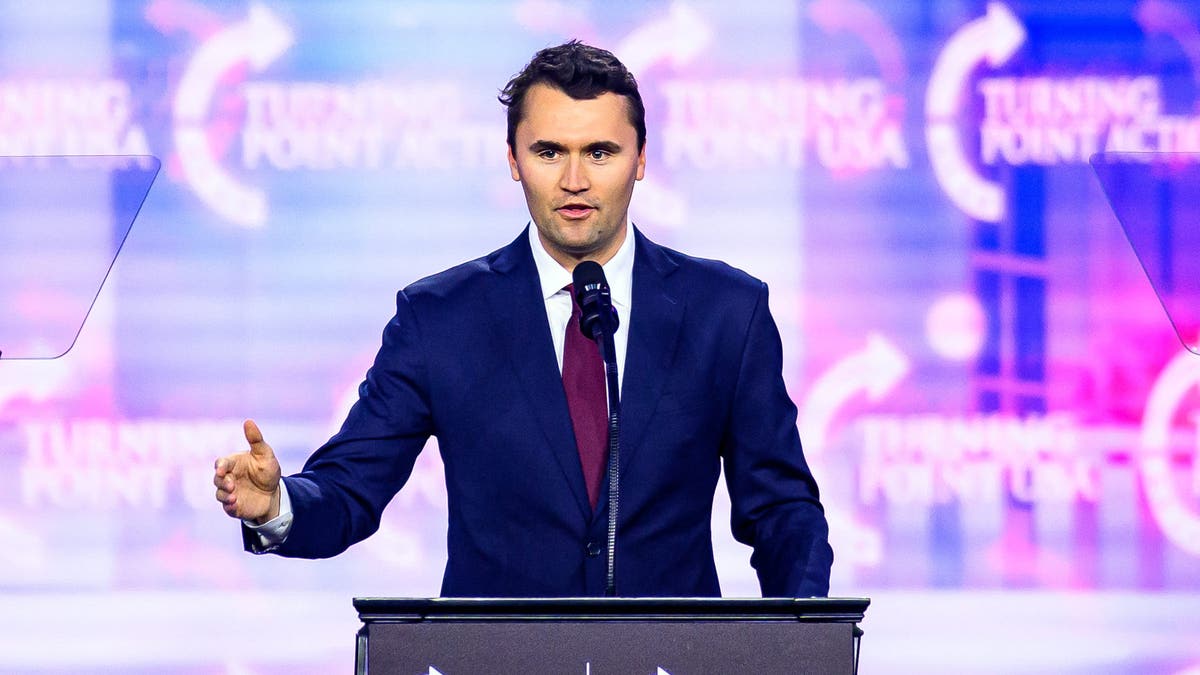
Charlie Kirk, known for founding Turning Point USA, was assassinated on September 10, 2025, during an event at Utah Valley University. Shortly after his death, Benjamin Fillo, a social studies teacher at Barrington High School, posted a controversial video online. In the video, Fillo referred to Kirk as “garbage” and accused him of hating the LGBTQ community and women’s rights.
Fillo’s comments led to him being placed on administrative leave for violating the district’s social media policy. However, he returned to teaching on December 1, according to an email from interim Superintendent Bob Mitchell of Barrington Public Schools.
The yearbook dedication for Fillo describes him as a dedicated teacher. It states, “Any student at BHS who has the opportunity to learn from you should consider themselves fortunate.” The dedication, signed by students Karthik and Nachi on behalf of the Class of 2026, praises Fillo for his enthusiasm and dedication in teaching.
A spokesperson for Barrington Public Schools explained that the dedication was chosen by the senior class as part of a student-led yearbook production. The spokesperson emphasized the school’s focus on celebrating student accomplishments.
However, some parents, like Heather and Jarrod Ryan, have expressed disappointment. They criticized the choice of honoring a teacher who openly promoted political violence, arguing it conflicts with the values of integrity and respect.
On the legal front, Tyler Robinson, the suspect in Kirk’s murder, appeared via video for an initial hearing. Since then, he has not been seen.
This situation continues to generate debate within the community, highlighting the tensions between personal expression and professional responsibility in educational settings.