
Ebola Response Initiative
The State Department quickly mobilized a comprehensive response within a day of the Ebola outbreak notification. Protecting the health and security of Americans is the top priority, aiming to prevent the disease from reaching U.S. shores, said Pigott, a department spokesman.
Revised Evaluation and Promotion Policies
Current and former officials indicate a complete overhaul of evaluation and promotion policies, marginalizing career diplomats. A introduced bell curve limits the number of diplomats receiving high rankings, thereby affecting promotional opportunities and possibly ending careers.
Although acknowledging the need for reform, officials argue the changes introduce new issues. A former diplomat noted that the system left many foreign service officers dejected. Deputy Secretary Christopher Landau supports the changes, stressing accountability in evaluations to ensure they reflect true performance.
Performance evaluations now prioritize ‘fidelity.’ Former diplomat Mark Lambert warns of the risks in tying success to loyalty, creating a partisan Foreign Service. Lambert emphasizes the importance of allegiance to the Constitution, with U.S. diplomats providing nonpartisan analysis and input.
Secretary of State’s Vision
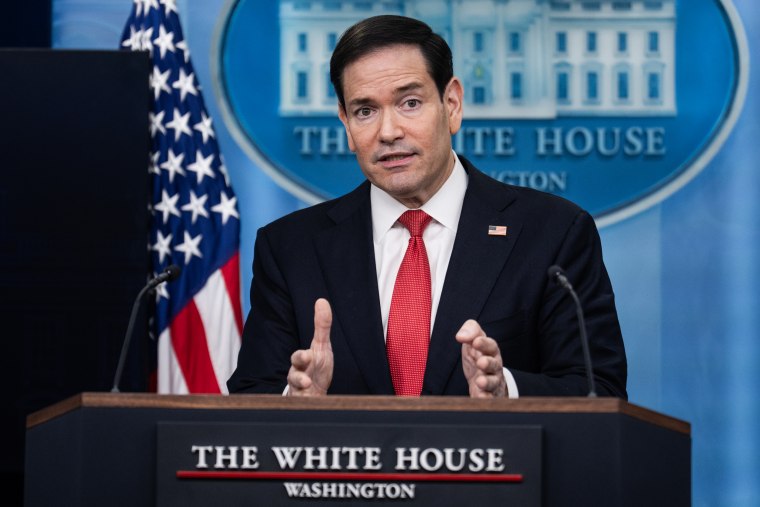
Pigott, representing Secretary Marco Rubio, stated the reorganization ensures embassies and regional bureaus can directly influence policies. The administration, however, will not accept actions countering the president’s objectives.
Diplomats Absent from Key Negotiations
The Trump administration sidelined senior foreign service officers from crucial negotiations, a departure from past practices. Discussions on critical issues like Ukraine and Iran have been led by non-diplomat figures like Jared Kushner and Steve Witkoff.
Former diplomats such as John Bass criticize the administration for removing experienced leaders, suggesting a deliberate effort to prevent questioning of decisions. This, Bass asserts, undermines initiative and problem-solving that align with national interests.
Dismissals and New Recruitment Efforts
The reorganization led to the dismissal of 247 foreign service officers, many of whom were assigned to Washington. They were replaced by newer diplomats. Concerns were raised about the recruitment approach, emphasizing traditional images of foreign service rather than diversity.
Pigott deflected concerns, asserting the goal to implement an America-first foreign policy, benefiting the nation.
Impact on Diplomats and Future Generations
For diplomats like Horst, the changes meant canceled programs and challenges in career progression. She transitioned to work in sustainable agriculture in Minnesota.
Adams-Smith, now educating future diplomats, stresses the persistent need for skilled, nonpartisan professionals in the Foreign Service. Encouraging young people to take the foreign service exam remains vital to maintaining a capable diplomatic corps.