
The departure of over 10,000 federal lawyers has impacted several government agencies, leading to staffing shortages. This situation has also benefited state attorneys general offices and advocacy groups.
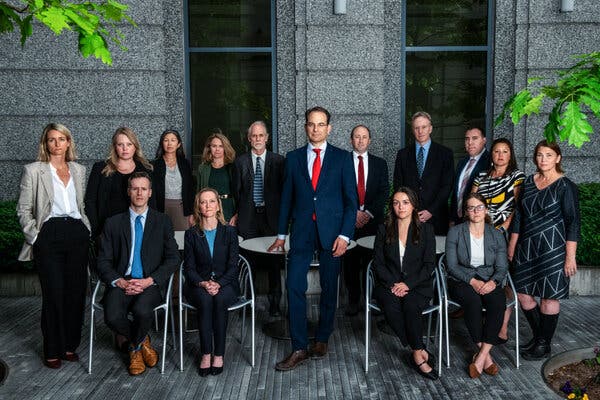
Phil Weiser, the attorney general of Colorado, has been proactive in hiring legal talent. Since May of the previous year, he has recruited 22 lawyers from the federal government. These hires reflect a broader trend where legal professionals are moving away from federal positions due to dissatisfaction with changes under President Trump.
Data analysis by The New York Times shows a significant number of resignations since the start of 2025. Approximately 20% of federal lawyers, who were employed at the end of 2024, had departed by March 2026. The transition has been marked by routine retirements and resignations, driven by disagreements with policy changes.
The Trump administration’s impact on the federal workforce has urged legal professionals to join organizations that align with their values. Many are choosing Democratic state attorney general offices and nonprofits that oppose the administration’s policies in court.
“There’s an awareness that people in the federal government are dissatisfied, angry, frustrated, and want no part of it,” said Phil Weiser. “That’s translating directly to people saying, ‘I want to be part of organizations that actually operate with integrity.’”
Law schools have noticed this trend as well. Many students, who once aspired to federal government positions, are reconsidering their career paths. They seek roles that better match their principles and offer positive public service opportunities.
The following table illustrates the decline in federal legal staff across various agencies:
- Education: 645 to 303, a 53% reduction
- Housing: 448 to 271, a 40% reduction
- Interior: 542 to 394, a 27% reduction
- Labor: 609 to 446, a 27% reduction
- Energy: 721 to 530, a 26% reduction
- Agriculture: 231 to 170, a 26% reduction
- Health: 1,147 to 866, a 24% reduction
- Transportation: 622 to 477, a 23% reduction
- Justice: 12,975 to 10,310, a 21% reduction
- Veterans Affairs: 1,935 to 1,640, a 15% reduction
- Defense: 4,576 to 3,880, a 15% reduction