
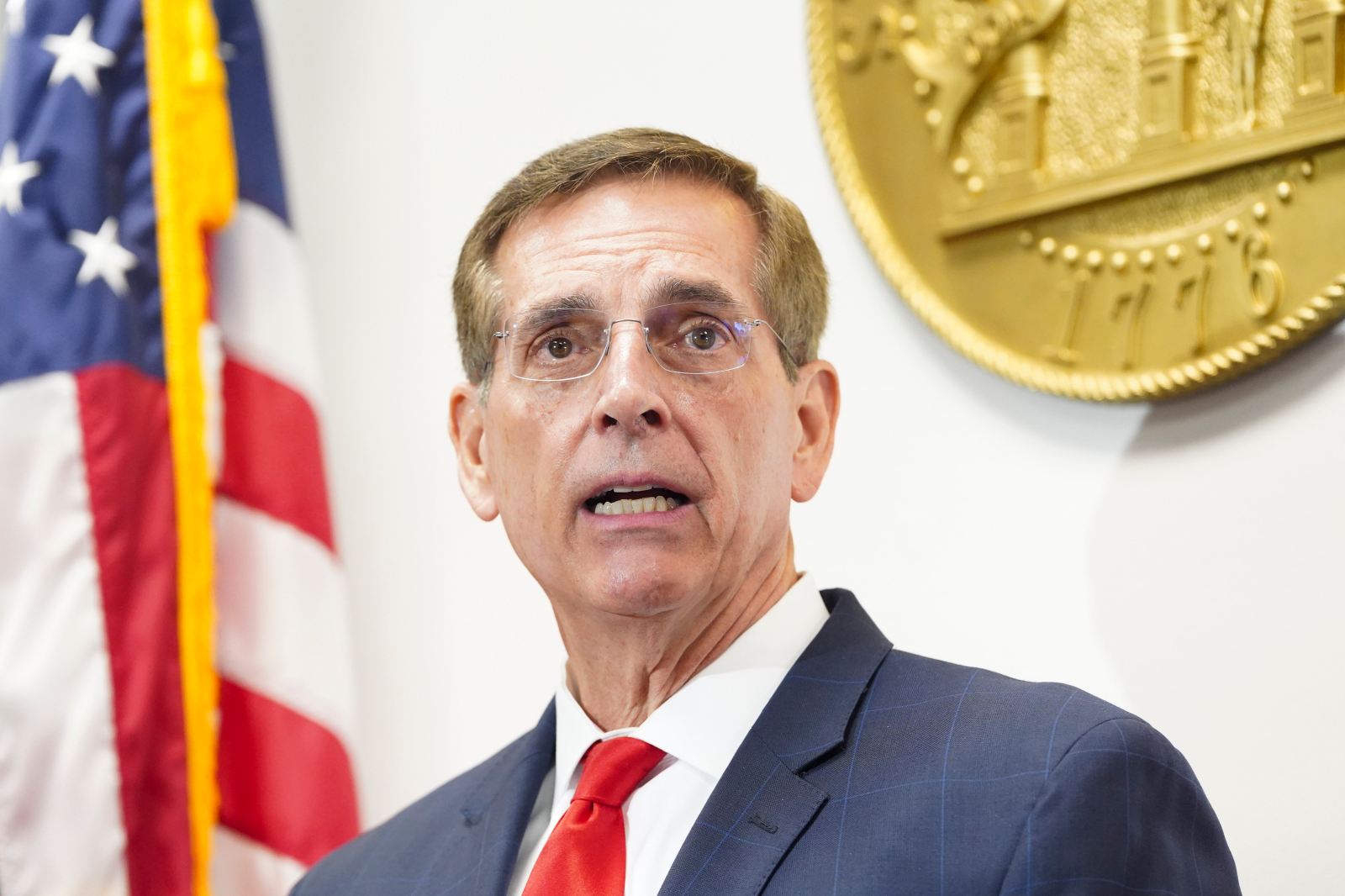
A group of Republican election officials has formally requested the U.S. Supreme Court to block the implementation of President Donald Trump’s mail-ballot rule prior to the upcoming midterm elections in November. These officials believe that introducing the changes at this time could cause confusion, delays, and disruptions in the voting process.
This appeal gains significance because it comes from within Republican ranks, not just from voting rights groups or Democratic officials. On Thursday, the U.S. Court of Appeals for the First Circuit refused to pause a lower court’s injunction against the rule. The appellate court noted the administration’s failure to show a likelihood of success and agreed with the lower court that states may struggle to comply with the rule’s requirements before the November 3 election.
The Trump administration is under increased pressure with its emergency appeal to the Supreme Court seeking to reinstate the ballot-mail provisions. The White House argues these measures are critical for election integrity. In contrast, opponents insist they impose logistical challenges and exceed federal jurisdiction. Both the White House and attorney Brent Herrin, representing the election officials, have been reached out to for comment by Newsweek.
Republicans Cite Election Risks
The appeal is backed by 38 current and former election officials from 10 states, including several Republican Secretaries of State such as Brad Raffensperger of Georgia, Scott Schwab of Kansas, and others. Utah Lieutenant Governor Deidre Henderson is also a signatory.
These officials argue their intention is not to take a stand for or against the rule itself. They claim that implementing the rule before the midterms is impractical due to current election preparations.
“Attempting to implement the Rule now will almost certainly lead to mistakes, delays, and confusion for both voters and election officials,” states their brief.
They highlighted that absentee ballots have been distributed in some states and federal law enforces mailing ballots to military and overseas voters by September 19. Moreover, election administrators must adjust to new envelope regulations, unproven federal ballot portals, and additional verification protocols.
The officials also reference the Supreme Court’s Purcell doctrine, which advises against significant election rule changes close to an election due to potential voter confusion and administrative issues. They argue the election should proceed with the initially planned rules.
“Election administrators deserve a clear roadmap to successfully deliver a free, fair, and fast election,” said Robert Sinners, a spokesperson for Raffensperger. “Last-minute changes compromise this, and the Purcell doctrine is clear.”
Appeals Court Echoes Concerns
The First Circuit Court of Appeals reflected similar concerns as those raised by the Republican officials.
The court highlighted the absence of credible evidence indicating forthcoming voter fraud that would justify the changes. They stated the rule might result in “the disenfranchisement of millions of voters across the country while providing minimal, if any, gains in combating voter fraud.”
It denied the administration’s appeal for a stay, emphasizing that states would need USPS approval for adjusted ballot envelopes, necessitate envelope replacements, and create systems for generating voter-specific barcodes, demanding a functioning USPS portal not yet operational.
The panel echoed the lower court’s verdict, deeming it “impossible for States to comply with the Final Rule’s detailed requirements in the time remaining before the November 3 election.”
The court expressed apprehension about “the chaos and widespread disenfranchisement” that may ensue from immediate rule implementation, referencing delays concerning envelope approvals, technical needs, and extensive ballot verification.
The officials asked the court to oversee that the election happens under the rules established at the start of its administration, suggesting legal questions about the rule’s legitimacy be deferred to future elections.