
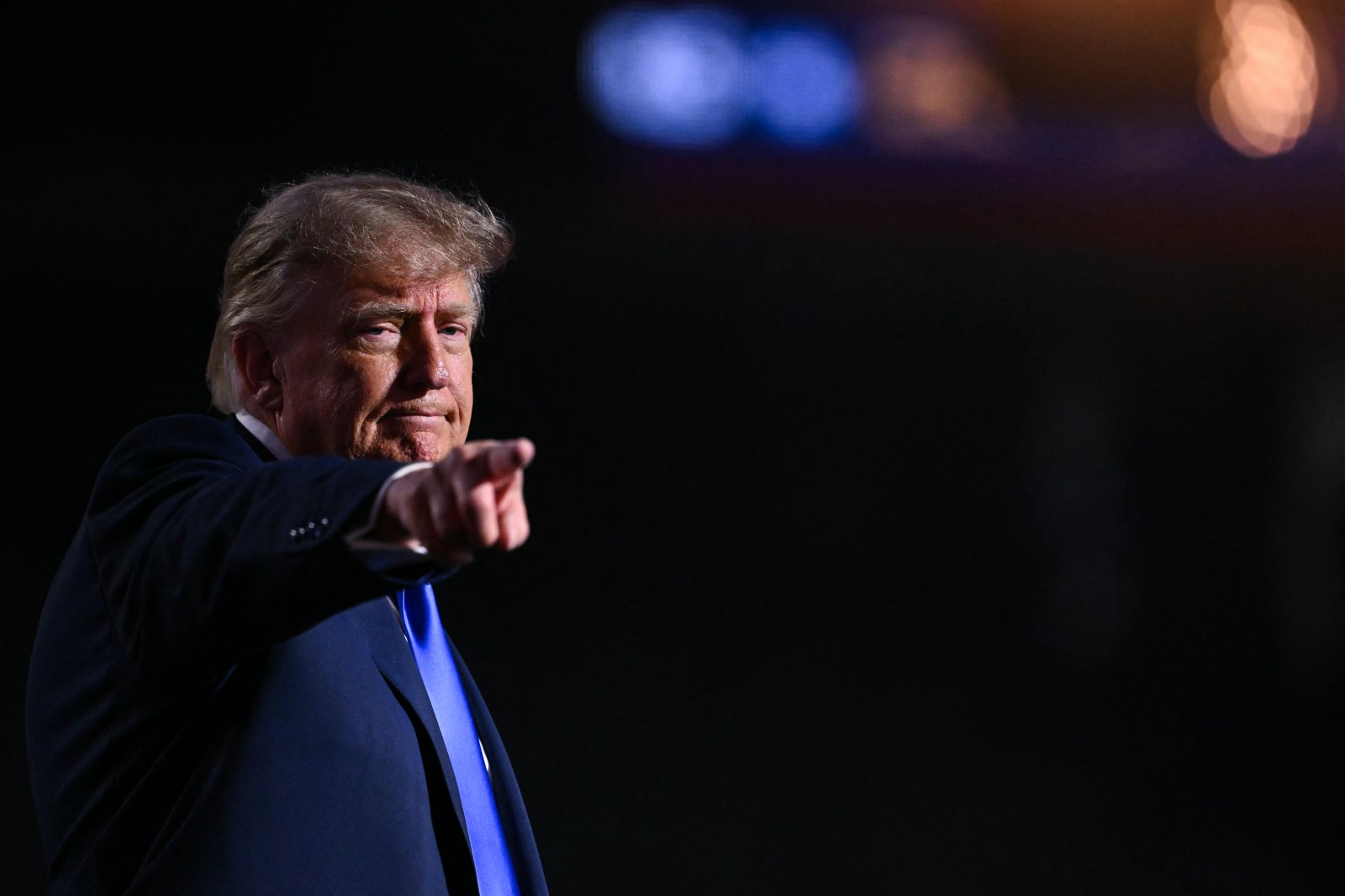
President Donald Trump announced a plan to give a ‘dividend’ to voters if Republicans win the midterm elections. This proposal has sparked reactions among economists and lawmakers. Some Republicans see it as a boost for the elections. At the GOP’s first midterm convention in Dallas, Trump stated he would issue a $5,000 ‘dividend’ to every adult citizen if the Republicans win both chambers of Congress.
However, financing the ‘Trump Dividend’ poses a challenge. Douglas Holtz-Eakin, president of the American Action Forum think tank, explained that funding this plan would require Congress to appropriate funds, which might necessitate borrowing or raising taxes. He estimated the cost could reach $1.3 to $1.5 trillion, making it an unrealistic sum to gather.
The White House addressed skepticism by saying President Trump would continue to deliver results with public support. White House spokesman Davis Ingle assured that President Trump aims to prove skeptics wrong.
Proposals During Trump’s Second Term
$5,000 DOGE Dividend Checks
In February, James Fishback proposed a $5,000 payment using savings from the Department of Government Efficiency (DOGE). This plan targeted $2 trillion in spending cuts, aiming to distribute a portion among 79 million households. Elon Musk supported the idea, and Trump endorsed it as well. However, DOGE’s actual savings were only $215 billion, a fraction of the needed funds.
$2,000 Tariff Dividend Checks
In July, Trump suggested a $2,000 payment to most Americans, funded by tariff revenue. The Committee for a Responsible Federal Budget estimated the costs to be $600 billion, noting it would worsen deficits by $6 trillion over ten years. Despite Trump’s efforts, legal challenges led to the proposal’s decline. The U.S. Supreme Court overturned the related tariffs in February, ending the plan.
$1,000 Payment from Expiring ACA Subsidies
Trump argued for redirecting expiring Affordable Care Act (ACA) subsidies to the public. He suggested payments of $1,000 to $1,500 for health care accounts. Despite his endorsement, this plan did not materialize. Instead, his administration launched ‘The Great Healthcare Plan’ to lower costs and improve transparency in January.
Ohio Republican Senator Bernie Moreno pledged to prepare legislation for the ‘Trump Dividend’ if Republicans win. Yet, significant legal and economic questions persist. Erica York from the Tax Foundation noted that the government cannot support a $5,000 payment, which would exacerbate fiscal issues.
Additional Payment Promises
Trump also announced $500 refunds to around 1 million Americans overcharged for Obamacare coverage. These payments, expected in October, aim to counteract perceived mismanagement by the Biden administration. However, Jonathan Gruber, an MIT economist, criticized this claim as misleading and politically motivated.