
Introduction
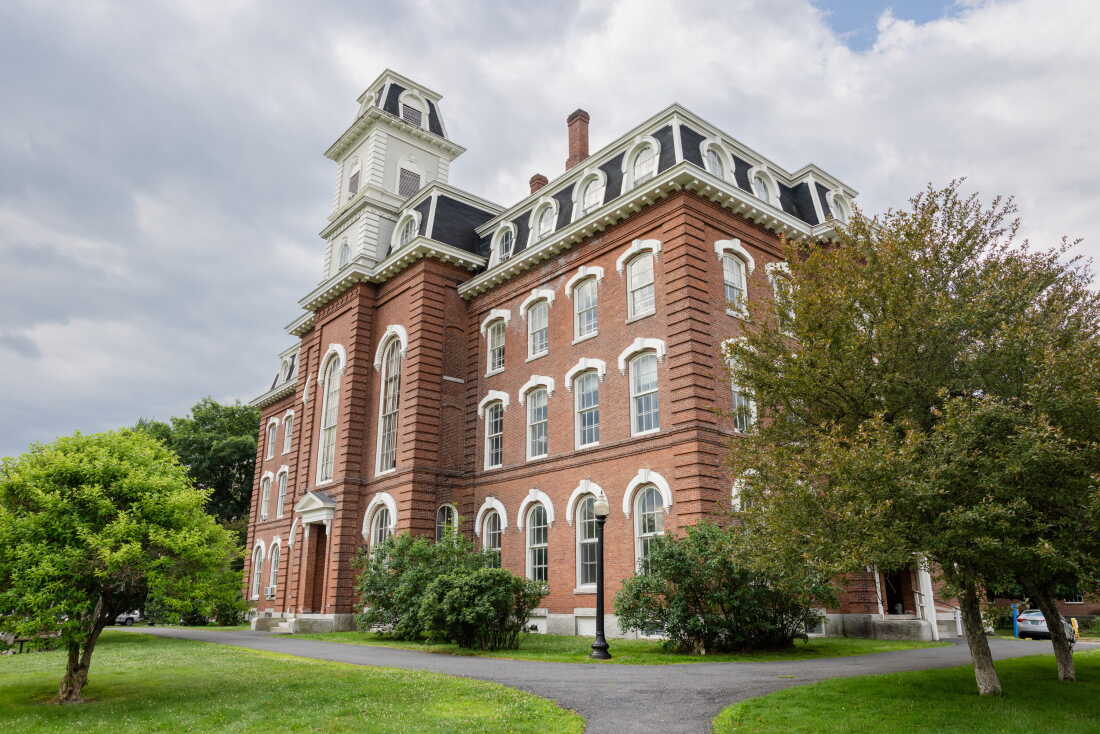
The Greenway Institute is acquiring the former college campus in Montpelier, Vermont to launch a new approach to higher education. This initiative aims to address the problems faced by the traditional education model, which has resulted in the closure or merger of 152 colleges and universities since 2016, with another 442 projected to be at risk.
Innovative Approaches
Greenway Institute seeks to eliminate unnecessary administrative layers and amenities to reduce costs while focusing on real-world training supervised by faculty mentors. This approach is intended to foster meaningful relationships between students and faculty.
“It’s not fancy. It’s a place where you have a meaningful relationship with your faculty members. But you also take out your own trash,” said Mark Somerville, founding president of Greenway Institute.
With its experimental model, Greenway is part of the Future Universities Alliance organized by Duke University. Project Polymath, another initiative affiliated with the alliance, plans to offer bachelor’s degree students mentorship and apprenticeships beginning in 2028.
Facility and Development
The institute’s campus, acquired from the Vermont College of Fine Arts, features renovated buildings for practical learning. Students will engage in projects using facilities equipped with tools and equipment for hands-on work.
The Greenway Institute intends to open in the fall of 2027, with goals of raising $30 million by 2031. The current funding includes a $4.5 million contribution, partly from the National Science Foundation.
Founders and Partners
The Greenway Institute’s founding team includes tech executives, former educational leaders, and academic experts from prestigious institutions such as Harvard, Dartmouth, and Tufts. The college aims to focus on engineering and has already tested its educational model with four college sophomores.
The trial allowed students to design and construct wind turbines and solar-powered traffic signals, providing practical learning experiences instead of conventional lectures.
Research and Findings
Studies reveal that work-based learning enhances employment prospects, career progression, and earning potential compared to students who follow traditional educational paths. Yet, fewer than half of students at public universities experience paid work-based learning.
“We’re stuck in the 1950s,” said Troy McBride, chair of Greenway’s board. “We’re still teaching facts, which is the least useful thing in these times.”
Student Experience and Cost
Greenway Institute plans to offer tuition below $25,000 annually, offset by paid co-op jobs for juniors and seniors. These jobs typically pay more than $25 an hour.
The initiative aims to reduce unnecessary costs by encouraging students to cook their own meals, plan extracurricular activities, and utilize off-campus fitness options.
Long-Term Goals and Accreditation
Formal accreditation processes are ongoing, expected to take at least four years. During this period, federal funding options like grants or loans will not be available. Greenway intends to apply retroactive accreditation to graduates’ degrees once the institution is fully operational.
The goal is to expand to 500 students in Montpelier and establish other locations nationwide. By 2031, reaching 370 students would allow Greenway to break even.
Conclusion
Greenway Institute represents a bold attempt to rethink higher education. While it may not suit every student, it offers a targeted experience for those dedicated to specific career paths. As Vermont deals with college closures, Greenway offers potential solutions to the educational challenges faced statewide.