
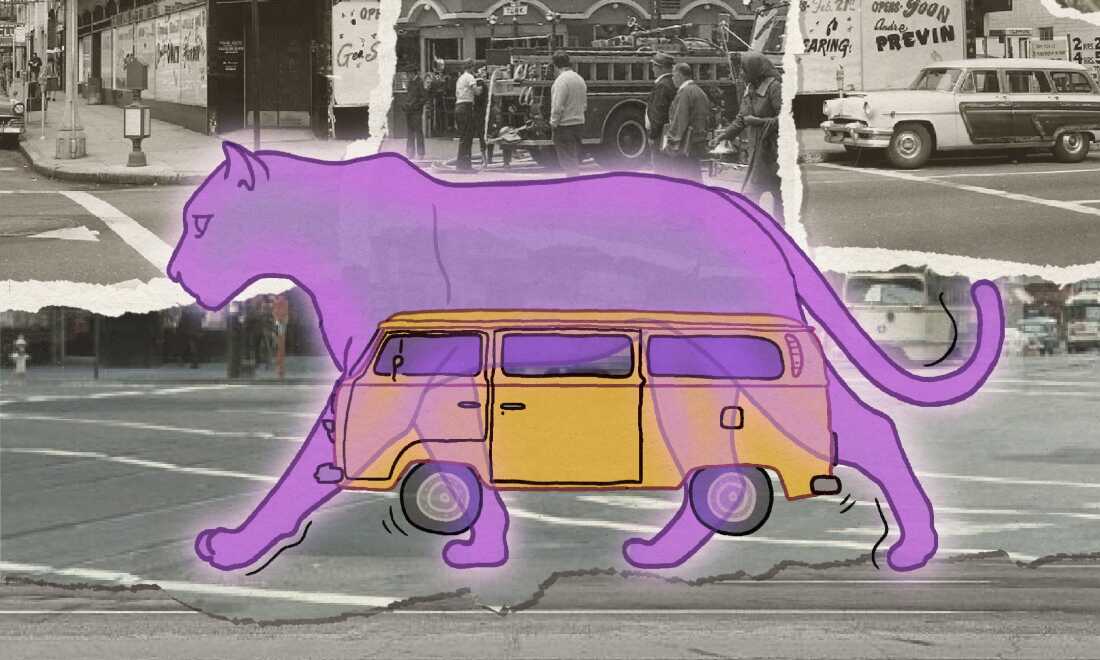
The Rise of Ray Broshears and the Lavender Panthers
In 1973, Ray Broshears, a gay preacher in San Francisco, established a vigilante group aimed at safeguarding the LGBTQ+ community in the Tenderloin neighborhood. Known as the Lavender Panthers, this group emerged as a response to prevalent hostility and violence against queer individuals. Broshears expressed his intent to scare off those who were targeting his community.
Despite his efforts, Broshears, labeled as “Reverend Ray,” faced criticism for his militant approach, sparking controversy within the gay rights movement. The Lavender Panthers exemplified the queer community’s efforts to provide protection and mutual aid amidst societal homophobia. This initiative paved the way for future mutual aid movements.
Legacy and Documentation
The Lavender Panthers remain a lesser-known chapter in queer history. A 2018 Newsweek article highlighted the lack of documentation about the group and its leader, noting the absence of their Wikipedia pages, which have since been created.
Broshears sought visibility, contributing articles to local papers and orchestrating bold publicity stunts. These actions, though unpopular with mainstream gay rights activists at the time, ensured the preservation of their activities in historical records. In contrast, many other queer defense groups, focused on specific subgroups, operated discreetly to avoid attracting harmful attention. Consequently, much of their history may be undocumented.
Further Reading
For more information about the Lavender Panthers and Ray Broshears, readers are advised to consult Sonja Anderson’s article “The Controversial Gay Priest Who Brought Vigilante Justice to San Francisco’s Streets” in Smithsonian Magazine and Eric Markowitz’s article “The Most Dangerous Gay Man in America Fought Violence With Violence” in Newsweek. These sources have been referenced in depth for this account.
Abi Inman, a comic artist and animator for NPR’s Visuals team, has contributed to this report. More of her work is available on her Instagram, @abiinman, and her website abiinman.com.