
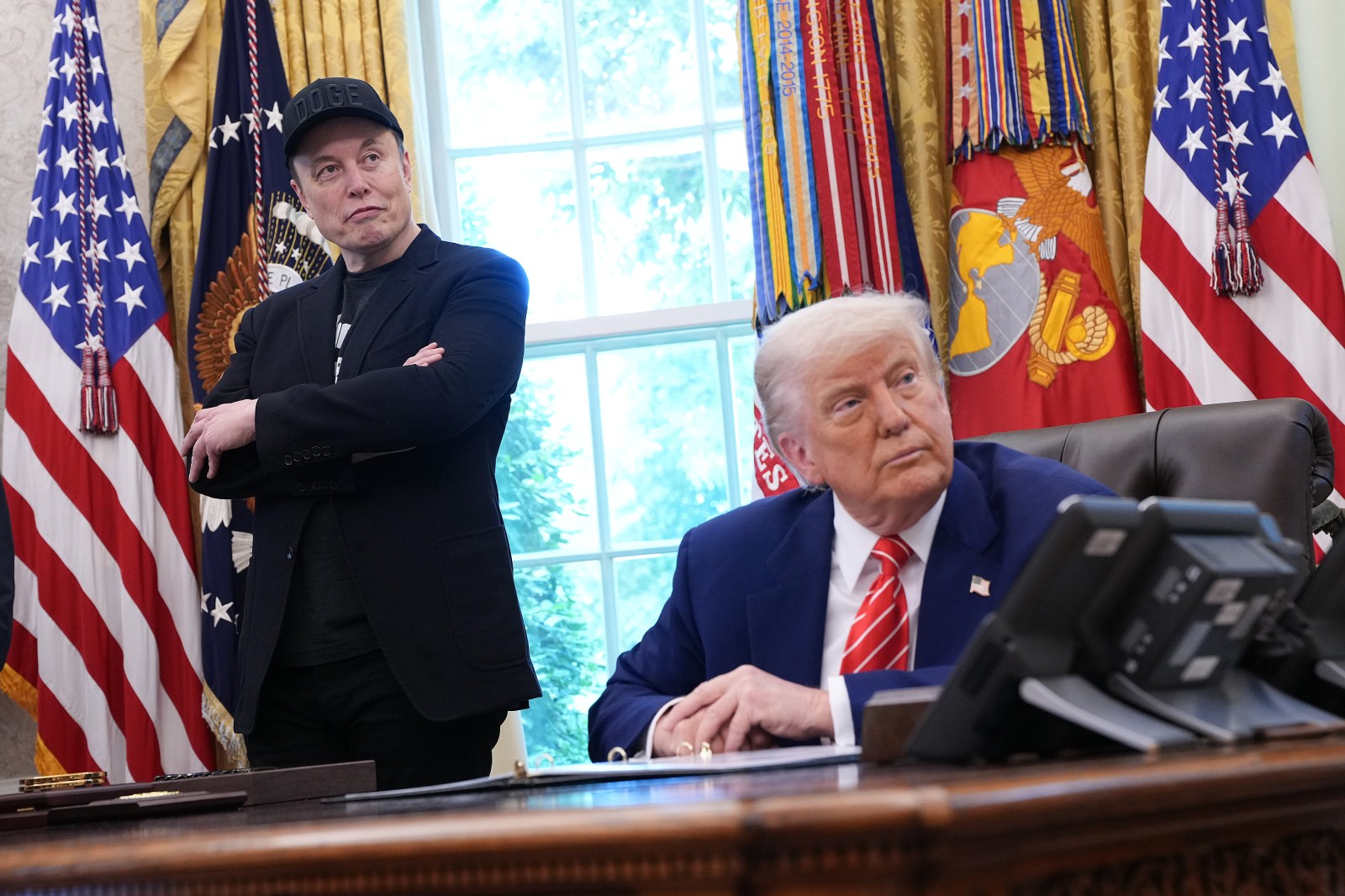
The Department of Government Efficiency (DOGE), initially launched at the start of Donald Trump’s second presidential term, has come to an official close. By late 2025, DOGE had already been disbanded and absorbed into the broader federal agency structure, according to officials at that time. This occurred despite eight months remaining on the outlined 18-month agenda from the White House, set on January 20, ending with the official expiration of its charter on July 4.
DOGE’s official X account posted, ‘While the formal mission of DOGE has come to an end, the mission to eliminate waste, fraud, and abuse will continue. Good stewardship of taxpayer dollars and accountable government are not temporary initiatives. We hope those principles endure long into America’s next 250 years.’
Under the leadership of Elon Musk, DOGE implemented actions that included cutting the federal workforce, withdrawing federal funding from certain programs and agencies, and nullifying billions of dollars in government contracts. Despite ambitious goals, DOGE achieved only a fraction of the savings it aimed for. The initiative faced criticism from Democrat lawmakers and others affected by its sweeping measures.
Initial Steps
On the first day of his second term, President Trump signed an executive order creating the DOGE Service Temporary Organization, aimed at advancing the President’s 18-month DOGE agenda before its scheduled culmination on July 4. ‘A smaller Government, with more efficiency and less bureaucracy, will be the perfect gift to America on the 250th Anniversary of The Declaration of Independence,’ Trump said during the department announcement. ‘I am confident they will succeed!’
In its early weeks, DOGE embedded employees across federal agencies and initiated downsizing efforts through buyouts and deferred-resignation programs. The Office of Management and Budget later reported that over 260,000 federal employees exited in 2025 due to administration actions. These developments led to lawsuits filed by federal worker unions. Criticism escalated when DOGE gained access to internal data systems of several agencies, including Health and Human Services, the Social Security Administration, and the Department of Energy.
Impact on USAID
The United States Agency for International Development (USAID) became a central focus for DOGE in 2025. One of DOGE’s significant initiatives involved cutting funding and staffing, significantly impacting the key government agency for foreign aid and development assistance. Supporters claimed that USAID needed reform, while critics warned that this could disrupt vital humanitarian programs and affect vulnerable populations.
Although USAID remains officially recognized, the Trump administration reduced its programs by 83 percent last year. Reports in February indicated that USAID will shut down officially in September.
Musk’s Departure
Amid advancing contract cancellations and workforce reductions, Musk announced his departure from DOGE in May last year to prioritize his business interests. Investor concerns at Tesla regarding the distraction posed by Musk’s government role and the unpopularity of DOGE were cited as influencing factors.
During this time, DOGE faced criticism relating to transparency, workforce reductions, contract cancellations, and issues concerning its legal status and employee qualifications. There were ongoing questions about the accuracy of the savings it claimed on its “wall of receipts” and their actual impact on government finances.
Late 2025: Decline of Influence
The operational impact of DOGE dwindled sharply post-Musk’s departure, with official commentary by November indicating the premature end of the project. The administration stated that the Office of Personnel Management would assume many of DOGE’s functions and preserve its core agenda moving forward.
DOGE’s Legacy
Court proceedings persist in issues related to layoffs, grant cancellations, agency restructuring, and data access violations. According to its website, DOGE terminated thousands of contracts, grants, and leases during its existence, claiming savings of $215 billion, equating to $1,335.40 per taxpayer. This falls short of the $2 trillion target originally proposed by Musk.
Recent trends reveal challenges for various agencies prompted by DOGE’s actions and highlight long-term operational difficulties. Federal job postings have increased, indicating struggles within agencies resulting from early 2025 mass reductions.