
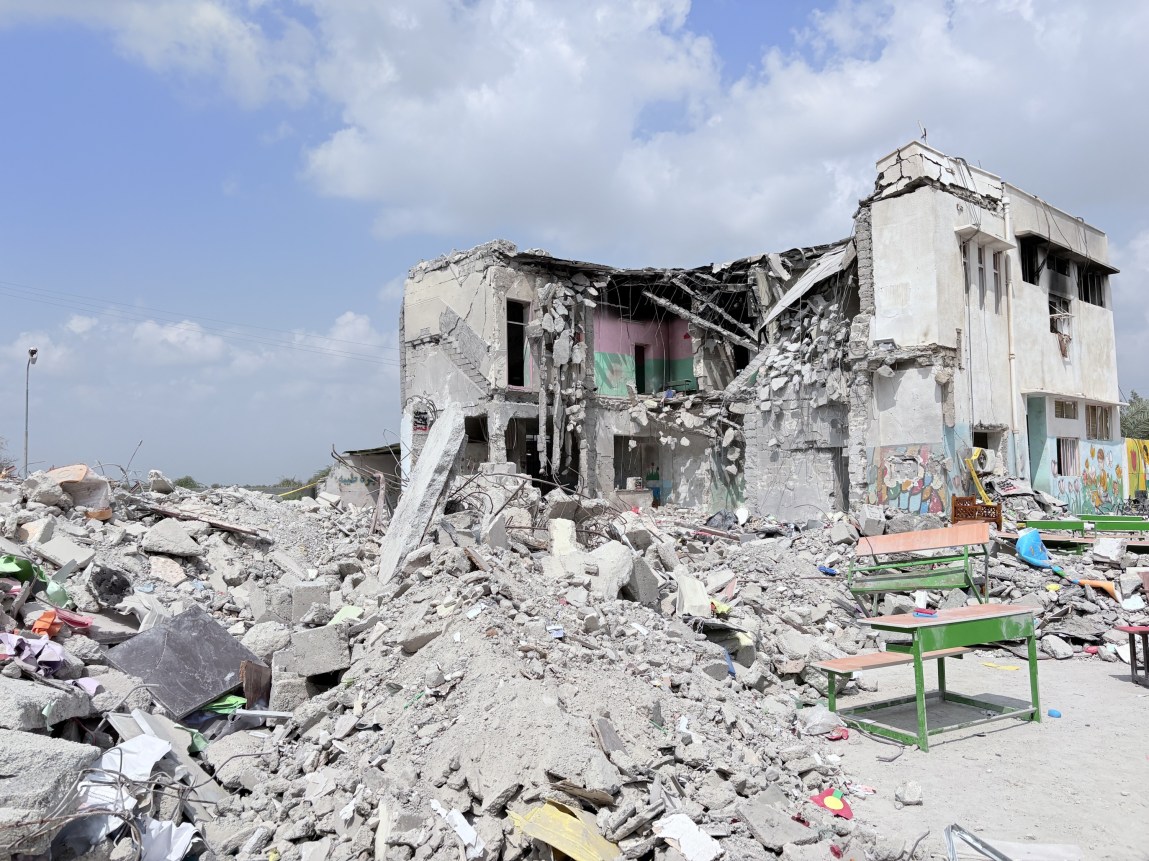
ProPublica, a nonprofit newsroom dedicated to investigating power abuses, reported on a significant move questioning Pentagon leadership under Defense Secretary Pete Hegseth. Ten Democratic legislators, led by Sen. Elizabeth Warren, expressed serious concerns in a letter to Hegseth about the reduction of efforts aimed at civilian protection in military operations. These concerns echoed findings from a Defense Department inspector general report that condemned the civilian protection program as largely inactive.
The lawmakers referenced reporting from ProPublica and other media sources to argue for preserving the civilian harm mitigation and response framework, CHMR. They accused the Trump administration of defunding and disrupting efforts to protect civilians, potentially violating federal law.
A Pentagon spokesperson declined to respond to ProPublica’s inquiries, stating the department would reply directly to the congressional authors. The retreat from civilian protection drew global attention following a U.S. strike in Iran that killed many civilians, an incident now under Pentagon investigation.
Conflict monitoring groups have noted a rise in civilian casualties, especially in Somalia and Yemen, where aggressive U.S. strike policies have resulted in more civilian deaths. ProPublica interviews reveal this change aligns with a broader military shift toward aggression and less accountability.
The civilian harm mitigation leadership, established in 2022 as required by Congress, aimed to minimize civilian casualties from U.S. military actions in ongoing global conflicts. The initiative intended to embed prevention specialists in targeting teams to prioritize civilian safety according to U.S. law and international war rules. However, under Hegseth, these efforts were largely dismantled, with reports indicating a reduction of related staff by about 90%.
A retired U.S. commander noted, “Insurgent math” suggests that for every innocent killed, several new adversaries are created.
Lawmakers asserted these changes do not enhance safety for American citizens or service members. Among the signees of the letter were military veterans expressing the necessity of civilian safety. They compiled 20 questions they want the Defense Department to address, focusing on CHMR staffing and funding updates and the department’s cooperation with inspector general oversight.
Experts in civilian harm mitigation noted the potential difference a robust prevention team could have made in reducing casualties. Open-source investigations found evidence suggesting a U.S.-made Tomahawk missile likely caused the strike in Iran.
Even months after the incident, explanations from the Trump administration remain pending, drawing further scrutiny and calls for transparency. Annie Shiel, director at the Center for Civilians in Conflict, emphasized the crucial need for congressional backing amidst the uncertainty surrounding CHMR.
An established pattern, according to analysts, points to repeated civilian casualties prompting Pentagon reviews and reforms, only for attention to wane until another serious incident occurs. A high-profile disaster during the Biden administration in Kabul led to a necessity for reforms, and the civilian harm mitigation plan emerged soon thereafter.
Yet, the current program’s effectiveness and accessibility have been compromised, with claims that necessary tools for implementing reforms have been restricted by defense leadership. Rep. Adam Smith admonished the Army Secretary for noncompliance with civilian protection laws.
Prompting a newly issued letter, growing criticism targets Secretary Hegseth’s radical shifts in department policies, with accusations of politically motivated decisions. Comments from Hegseth reflecting disdain for inclusive military culture have added to the controversy. His firing of high-ranking officers has also been criticized for lacking transparency and being driven by questionable motivations.
Hegseth defended the moves as necessary for cultural change within a department he claims was previously led astray by misaligned perspectives.
Public criticisms followed the ousting of Gen. Chris Donahue, prompting debates around the focus and direction of current military priorities. Donahue had previously dismissed concerns of excessive focus on inclusivity, reiterating a commitment to core military goals.